When a child or adult is advised to undergo a bone marrow transplant in India, one of the first terms families hear is HLA matching. Many patients from Tanzania and other African countries contact Cross Border Care with the same question:
“What is HLA matching, and why is it so important for a successful stem cell transplant?”
Understanding HLA matching can help families make informed decisions and better prepare for treatment in India at leading hospital-Indraprastha Apollo Hospital.
What Is HLA Matching?
HLA stands for Human Leukocyte Antigen. These are special proteins found on the surface of most cells in the body. They help the immune system recognize which cells belong to the body and which are foreign.
Before a stem cell transplant, doctors compare the HLA markers of the patient and the donor. The closer the match, the lower the risk of complications after transplantation.
Think of HLA matching like finding the right key for a lock. The better the match, the smoother the transplant process is likely to be.
Why Is HLA Matching Important?
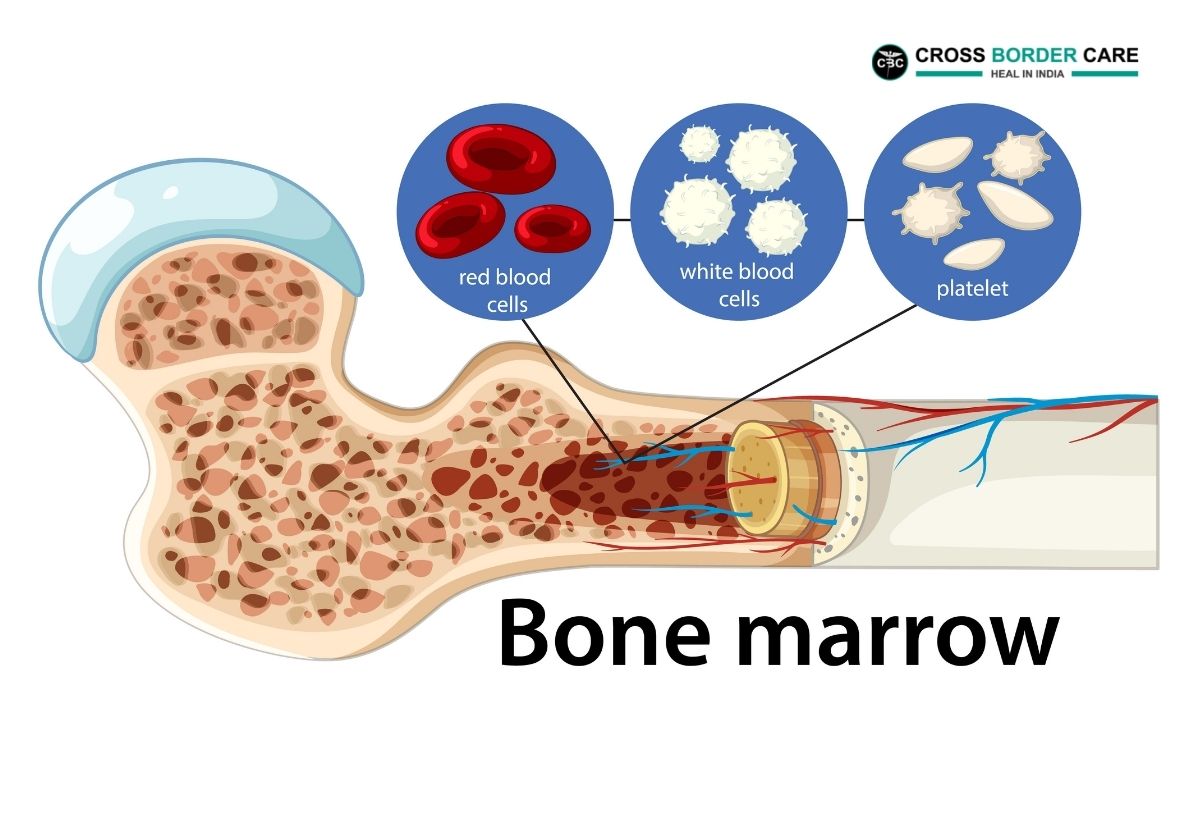
A stem cell transplant works by replacing diseased or damaged bone marrow with healthy stem cells from a donor.If the donor’s HLA markers are very different from the patient’s, the body may:
- Reject the transplanted cells
- Develop serious complications
- Experience slower recovery
- Face a higher risk of infection
A good HLA match helps:
- Improve transplant success rates
- Reduce the risk of graft rejection
- Lower the chances of Graft-versus-Host Disease (GVHD)
- Support faster recovery
- Improve long-term outcomes
How Is HLA Testing Done?
HLA testing before stem cell transplantation in India is usually performed through a blood sample or cheek swab.The laboratory compares important HLA markers between the patient and potential donors. Doctors then determine which donor is the best match.
This process is often one of the first steps before a bone marrow transplant is planned in India.
Types of Donors Based on HLA Matching
Not every patient has a fully matched donor available. Fortunately, modern transplant techniques provide several donor options.
| Donor Type | HLA Match Requirement | Typical Donor |
| Matched Sibling Donor (MSD) | Usually 10/10 Match | Brother or Sister |
| Matched Unrelated Donor (MUD) | Usually 10/10 Match | International Donor Registry |
| Haploidentical Donor | Approximately 50% Match | Mother or Father |
| Cord Blood Donor | Less Stringent Matching | Umbilical Cord Blood |
| Mismatched Donor | Less Than Ideal Match | Selected Cases Only |
What If No Fully Matched Donor Is Available?
This is one of the biggest concerns for many Tanzanian families.The good news is that a fully matched donor is no longer always necessary.
Today, many successful transplants are performed using haploidentical transplantation in India, where a parent serves as a half-matched donor.This advancement has made stem cell transplantation possible for many children and adults who previously had limited treatment options.
HLA Matching for Children With Blood Disorders
Children suffering from the following conditions may require HLA testing as part of their transplant evaluation:
- Acute Lymphoblastic Leukemia (ALL)
- Acute Myeloid Leukemia (AML)
- Thalassemia Major
- Sickle Cell Disease
- Aplastic Anemia
- Severe Combined Immunodeficiency (SCID)
- Bone Marrow Failure Syndromes
For these conditions, finding the right donor is often a critical step toward a successful transplant.
Why Many African Patients Choose India for Stem Cell Transplantation
India has become a leading destination for pediatric and adult stem cell transplantation because of:
- Experienced transplant specialists
- Advanced HLA testing laboratories
- Modern transplant units
- Affordable treatment costs
- High success rates
- Availability of haploidentical transplant programs
Indraprastha Apollo Hospital in Delhi offers comprehensive transplant services, including donor matching, stem cell transplantation, and long-term follow-up care.
How Cross Border Care Helps Tanzanian Patients
Cross Border Care, medical consultants for stem cell transplant in India forTanzanian and African patients help throughout the treatment journey in India.
Our services include:
- Medical record review
- HLA testing guidance
- Doctor and hospital selection
- Online medical consultations
- Treatment cost estimates
- Medical visa assistance
- Accommodation support
- Airport pickup coordination
- Follow-up care assistance
Under the guidance of Dr. Nadeem Khan, Cross Border Care helps families access leading stem cell transplant specialists and hospitals in India while ensuring a smooth treatment experience.
Frequently Asked Questions
Is HLA matching mandatory before a bone marrow transplant?
Yes. HLA testing is an essential part of transplant planning because it helps identify the most suitable donor.
Can a parent donate stem cells to a child?
Yes. Through haploidentical transplantation, a parent can often serve as a half-matched donor.
What does a 10/10 HLA match mean?
A 10/10 match means the donor and patient match across the major HLA markers tested, which is generally considered an excellent match.
Can a stem cell transplant be done without a matched sibling?
Yes. Doctors may use a matched unrelated donor, a haploidentical donor, or cord blood depending on the patient’s condition.
How can Tanzanian patients arrange a stem cell transplant in India?
Cross Border Care can help coordinate consultations, donor evaluation, hospital selection, visa support, and treatment planning with leading transplant centers in India.
Need help understanding HLA matching or planning a stem cell transplant in India? Contact Cross Border Care now.
June 17, 2026