Finding a donor for a bone marrow transplant is not a simple process for Tanzanians in India.For Tanzanians looking to get stem cell transplantation treatment in India, finding a bone marrow donor is no easy task.
A bone marrow transplant (also called a stem cell transplant) is the most promising treatment offered to many patients with leukemia, lymphoma, aplastic anemia, thalassemia, sickle cell disease, and other blood disorders for long-term remission or cure.
Finding an appropriate stem cell donor is one of the most crucial steps in the transplant journey. If you’re a Tanzanian patient considering a stem cell transplant in India, it’s essential to understand the process of donor matching.Understanding the process of donor matching can help alleviate uncertainty and prepare for treatment for Tanzanian patients considering a stem cell transplant in India. Cross Border Care provides support to patients throughout this journey and helps them get treatment from the best hospital for stem cell transplant in India-Indraprastha Apollo Hospital.
What is the need of a bone marrow transplant donor?
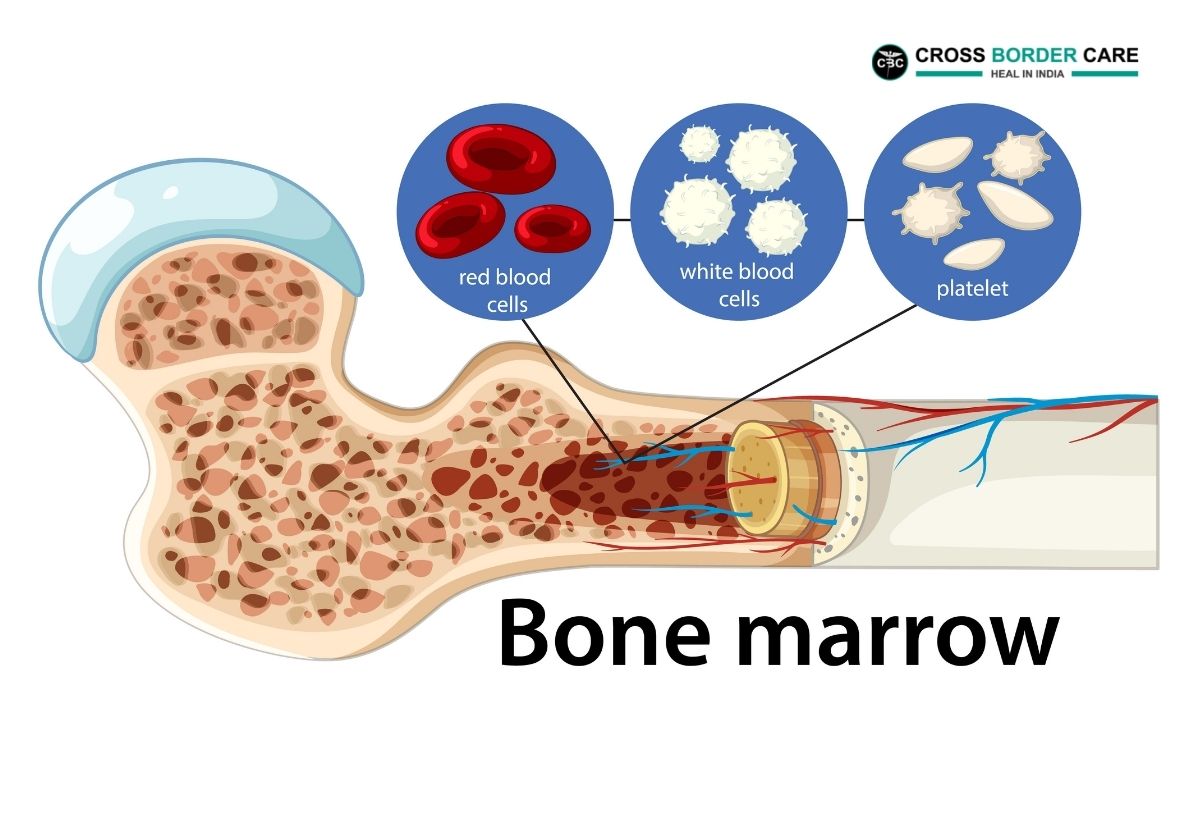
In an allogeneic stem cell transplant, healthy stem cells are collected from a donor and transplanted into the patient. The healthy stem cells can grow into damaged or diseased bone marrow and can produce new blood cells. The ability to undergo a transplant will greatly depend on a donor that has tissue that closely matches the patient’s. A special blood test known as Human Leukocyte Antigen (HLA) typing is performed by the doctors and is used to see if the patient and potential donor are compatible.
Who Can Be a Bone Marrow Donor?
Sibling Donors
Brothers and sisters are the most likely to be a close HLA match. A perfectly matched sibling donor often is the optimal source of transplant. If you are a Tanzanian patient looking to get a stem cell transplant in India, your transpla
nt team will request HLA testing of your sibling before looking for other options.
Parents or Children
Haplocidentical transplants have become more and more successful as a result of medical progress in transplantation. In these transplants, a parent or child, who are only partially matched, can be a donor. This option of transplantation is for those patients without a fully matched sibling donor.
Unrelated Donors
When no family donor is available, physicians can use a search system of donor registries from other countries to find a donor that does not belong to the family, but has an HLA profile that is compatible with the patient. The registries have millions of volunteer donors from all over the world. The Apollo Hospital Delhi transplant team can reach out to provide donor searches with the help of some reputed international donor search platforms.
Cord Blood Donors
Stem cells harvested from the umbilical cord blood may also be used for transplant in certain patients. Cord blood transplants can be a possibility if a matched donor can’t be found in a timely manner.
What is involved in Donor Matching?
HLA typing is the initial step in the donor search process.
- A sample of blood is taken from the patient and prospective donors, then compared with the genetic markers. Specialists evaluate:
- Degree of HLA match
- Age of the donor and the donor’s overall health
- Medical history
- Blood type compatibility
- Urgency of treatment
The closer the match, the less likely the transplant will have complications and the better the outcome.
What If No Donor is Available?
Many patients can be concerned about the lack of finding a donor. Luckily, however, modern transplantation techniques have greatly enhanced the number of choices for patients who don’t have a perfect match.
Many patients today can have successful outcomes after undergoing:
- Partially matched family transplants (haploidentical)
- Matched unrelated donor transplants (MUDT)
- Cord blood transplants
A highly experienced stem cell transplant hospital in India like Apollo Hospital Delhi can assess various donor options and suggest the best donor option.
Why Choose Apollo Hospital Delhi for Stem Cell Transplant?
Apollo Hospital Delhi is one of the best hospitals in India to perform bone marrow and stem cell transplant for both national and international patients. The hospital has state-of-the-art transplant facilities, dedicated hematology teams, high-tech donor matching and a full array of services for patients from abroad. Patients benefit from:
- Highly qualified stem cell transplant doctors
- Highly sophisticated HLA matching techniques.
- Completely infection controlled transplant units
- A method for obtaining access to international donor registries.
- Comprehensive post-transplant care
The hospital has a wide experience of treating foreign patients from Tanzania and other African countries.
How Cross Border Care is helping Tanzanian patients?
The process of searching for someone to donate to and arranging treatment abroad can be daunting. To make it easier, Cross Border Care, medical consultants for Tanzanian patients in India arranges end-to-end assistance for Tanzanians who need stem cell transplant in India.
Our services include:
- Medical record review
- Co-ordination with transplant specialists at Apollo
- Treatment cost estimation
- Medical visa assistance
- Seven days of travel and accommodation help
- Follow-up care coordination
We strive to provide patients and families with the information they require throughout the treatment process.
Conclusion
A suitable donor is the most crucial part of a successful bone marrow transplant. Today’s transplant technology allows treatment for more patients than ever before, regardless of whether the donor is a sibling, parent, child, a volunteer unrelated donor or a source of umbilical cord blood.
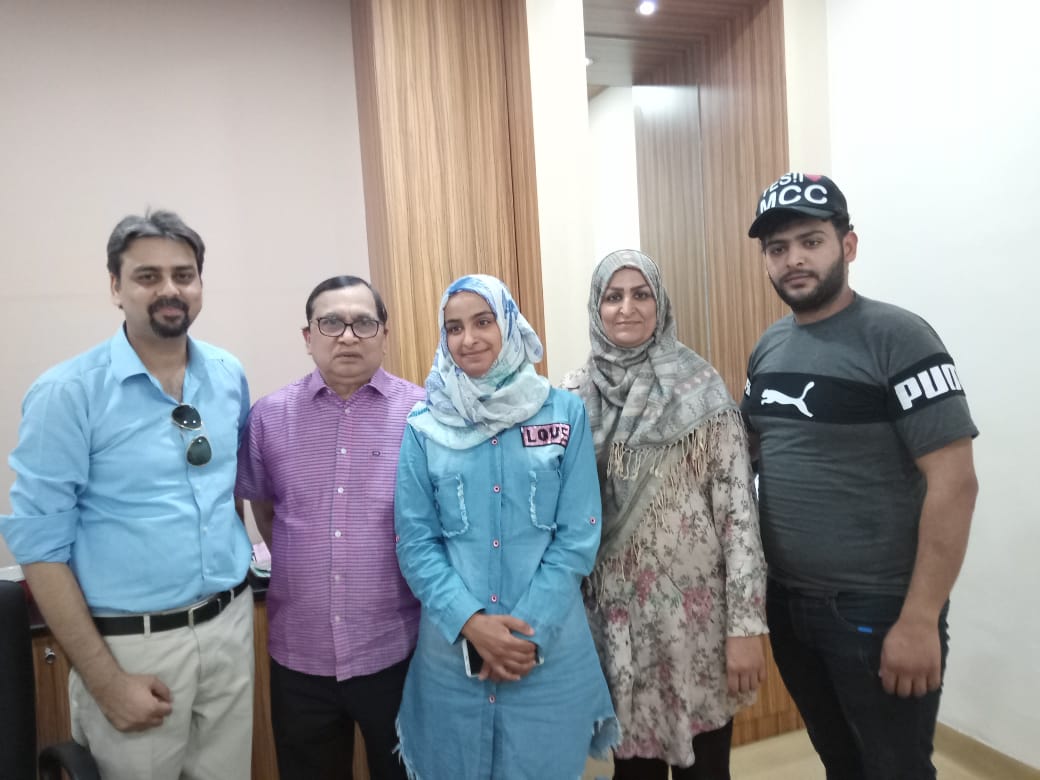
But if you are a patient from Tanzania who is searching for stem cell transplant treatment in India, Cross Border Care can help you find the top transplant doctor at Apollo Hospital Delhi, arrange the evaluation of your donor and guide you through each and every step of your treatment with utmost confidence. Visit Our :- Happy Client
FAQ
How do doctors find a bone marrow donor for a stem cell transplant?
Doctors perform Human Leukocyte Antigen (HLA) typing to identify a compatible donor. The search usually begins with siblings and other family members. If no suitable family donor is found, international donor registries and cord blood banks may be explored.
Who is the best donor for a bone marrow transplant?
A fully matched sibling donor is generally considered the best option because it reduces the risk of transplant complications and improves transplant success rates.
Can a parent donate bone marrow to their child?
Yes. With advances in haploidentical stem cell transplantation, parents can often serve as partially matched donors when a fully matched sibling donor is unavailable.
What happens if no matching donor is found?
If a fully matched donor cannot be identified, doctors may consider a haploidentical transplant, a matched unrelated donor transplant, or a cord blood transplant depending on the patient’s condition.
How long does it take to find a bone marrow donor?
The time varies from patient to patient. A family donor may be identified within a few days, while searching international donor registries can take several weeks depending on donor availability and compatibility.
Is bone marrow donor testing painful?
No. HLA typing usually requires only a blood sample or cheek swab from the potential donor. The testing process is simple and safe.
10 Signs Tanzanian Patients Need a Stem Cell Transplant in India
June 24, 2026