Aplastic anaemia is a serious blood disorder that requires timely diagnosis, specialised medical attention and an appropriate treatment plan. For patients living with severe aplastic anaemia, access to advanced haematology care and bone marrow transplantation services can play an important role in their treatment journey.
For many families in Zimbabwe, exploring specialised treatment options abroad may become an important consideration, particularly when they require further evaluation for stem cell transplantation. India has become a destination for international patients seeking specialised haematology services, bone marrow transplantation, and comprehensive medical care.
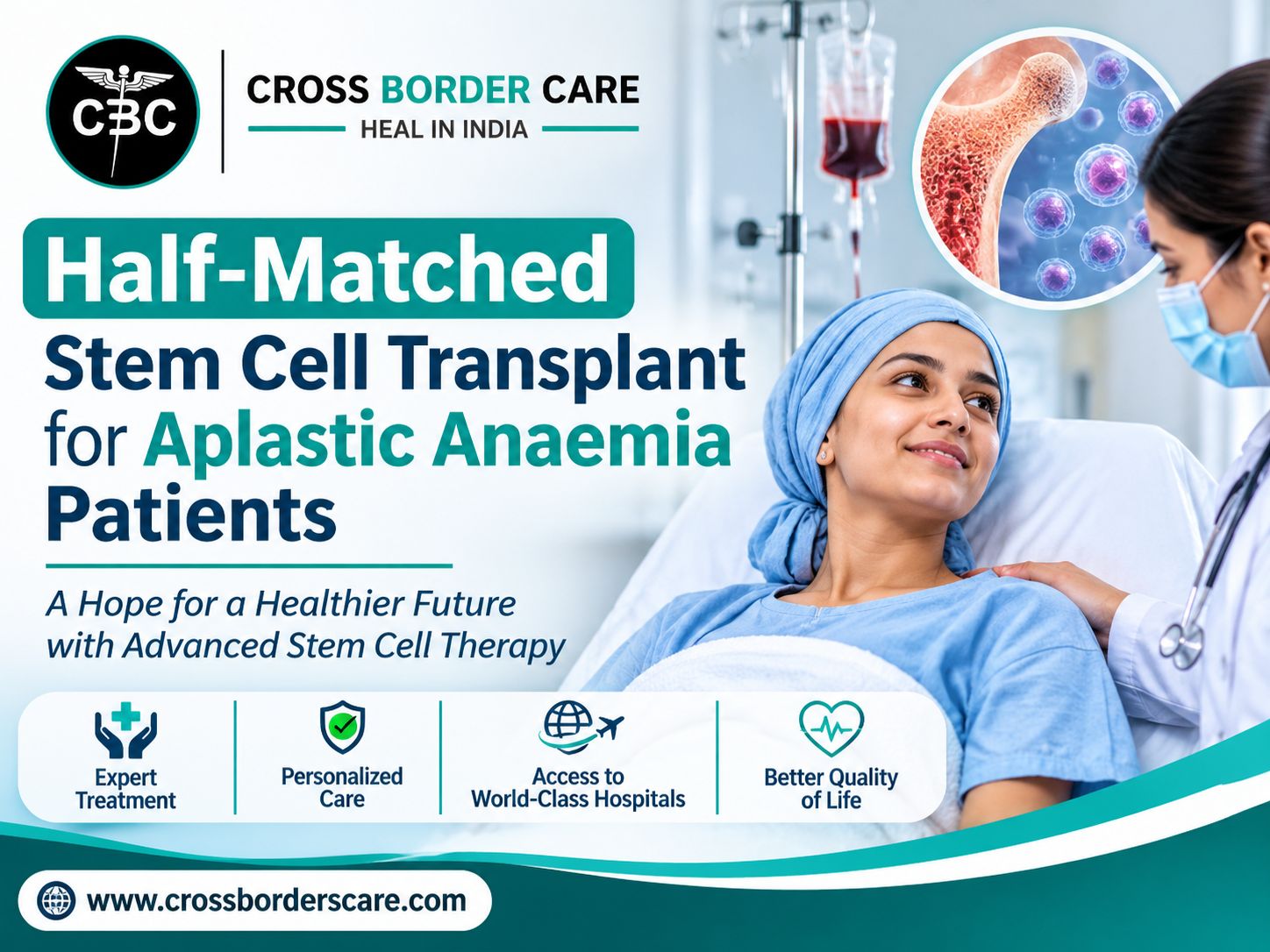
One treatment option to consider in selected cases is a haploidentical stem cell transplant, also known in India as a half-matched stem cell transplant.
Through Cross Border Care, led by Dr Nadeem Khan, patients from Zimbabwe can get help connecting with suitable Indian hospitals, consulting transplant specialists, and coordinating their medical travel.
Understanding Aplastic Anaemia and Why Timely Treatment Matters
Aplastic anaemia is a rare but serious condition in which the bone marrow fails to produce sufficient blood cells. As a result, the body develops low levels of red blood cells, white blood cells and platelets.
These blood cells perform essential functions. Red blood cells carry oxygen, white blood cells help fight infections, and platelets help control bleeding.
Common symptoms of aplastic anaemia include:
- Persistent fatigue and weakness
- Frequent infections and fever
- Pale skin and breathlessness
- Easy bruising and unexplained bleeding
- Dizziness and reduced energy levels
Treatment depends on the disease’s severity, the patient’s age, overall health, and the availability of a suitable stem cell donor. Depending on the clinical assessment, treatment may include blood transfusions, immunosuppressive therapy or an allogeneic stem cell transplant.
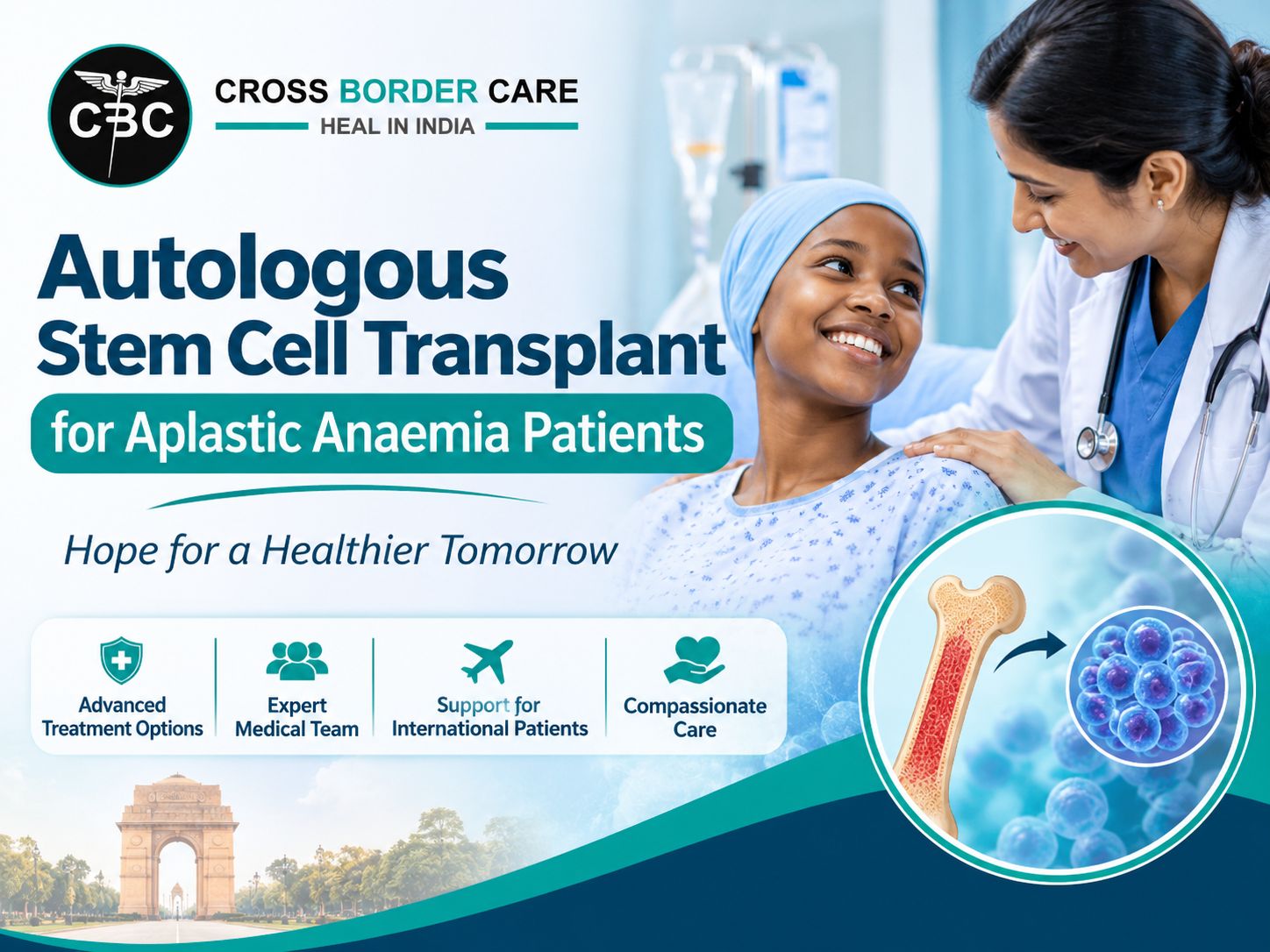
For eligible patients, stem cell transplantation can restore healthy blood cell production.
What Is a Half-Matched Stem Cell Transplant?
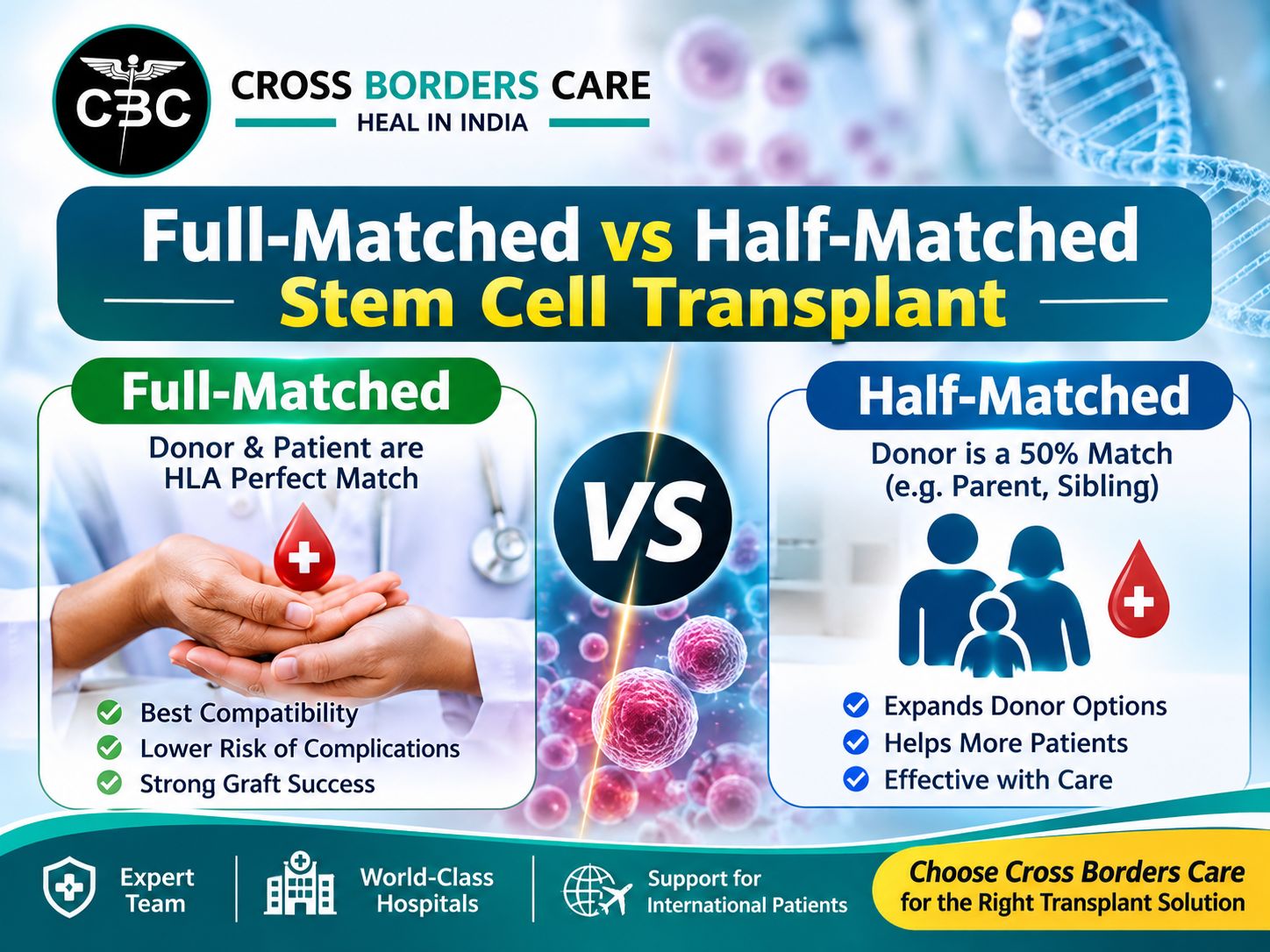
A half-matched stem cell transplant in India, medically known as haploidentical haematopoietic stem cell transplantation, is a procedure in which a patient receives blood-forming stem cells from a partially matched family donor.
The donor shares approximately 50% of the patient’s human leukocyte antigen (HLA) markers.
Potential family donors may include:
- Father or mother
- Brother or sister
- Son or daughter
One major advantage of this approach is that it expands the potential donor pool for patients who do not have a fully matched sibling donor.
Before recommending transplantation, doctors conduct HLA typing, donor compatibility assessments and other essential investigations. They also evaluate the risk of graft rejection, infections and graft-versus-host disease (GVHD).
It is important to understand that haploidentical transplantation is not suitable for every aplastic anaemia patient. The treating haematologist must assess the patient’s condition and compare transplantation with other available treatment options
India vs Zimbabwe: Exploring Aplastic Anaemia Treatment Options
When families in Zimbabwe consider travelling abroad for aplastic anaemia treatment, they often need clarity about hospital facilities, specialist availability, transplant options and overall treatment expenses.
India offers international patients access to tertiary-care hospitals with specialised haematology departments and stem cell transplantation programmes.
Here are some important factors Zimbabwean families should consider when exploring treatment in India.
Access to Specialised Bone Marrow Transplant Centres
Bone marrow transplantation requires specialised medical infrastructure, experienced haematologists, transplant physicians, trained nursing teams and dedicated infection-control facilities.
Indian tertiary-care hospitals provide haematology and haematopoietic stem cell transplantation services.
Through Cross Border Care, patients from Zimbabwe can receive treatment at Indraprastha Apollo Hospital and Fortis Memorial Hospital and consult transplant specialists to understand the treatment options available for their condition.
Half-Matched Stem Cell Transplant Options
Finding a suitable donor is an important part of aplastic anaemia treatment in India. Patients who do not have a fully matched sibling donor may be evaluated for alternative donor transplantation, including haploidentical transplantation. Bone marrow transplant doctors in India can assess potential family donors through HLA typing and other compatibility investigations.
The final decision depends on the patient’s medical condition, previous treatment response, donor suitability and the transplant centre’s clinical protocols.
Advanced Diagnosis and Medical Evaluation
Accurate diagnosis is essential before starting treatment for aplastic anaemia.
Patients travelling from Zimbabwe to India may require a detailed medical evaluation, which can include:
- Complete blood count (CBC)
- Bone marrow aspiration and biopsy
- HLA typing and donor compatibility testing
- Liver and kidney function tests
- Infection screening
- Cytogenetic and molecular investigations, where indicated
- Screening for paroxysmal nocturnal haemoglobinuria (PNH)
These investigations help doctors understand disease severity and determine whether the patient may benefit from transplantation or another treatment approach.
Treatment Cost and Financial Planning
The cost of aplastic anaemia treatment and half-matched stem cell transplantation varies by patient.
Important cost factors include:
- Hospital selection and transplant facilities
- Donor evaluation and compatibility testing
- Conditioning chemotherapy and medicines
- Duration of hospitalisation
- Blood and platelet transfusion requirements
- Management of post-transplant complications
- Follow-up consultations and investigations
For Zimbabwean families, international travel and accommodation also need to be considered. Cross Border Care helps patients coordinate with hospitals to get preliminary treatment estimates and understand expected costs before travelling to India.
Why Zimbabwean Patients Can Consider India for Stem Cell Transplantation
India offers several factors that may help international patients when exploring treatment abroad.
These include:
Specialised Medical Teams: Access to haematologists, Dr Gaurav Kharya, Dr Riyaz Ahmed, Dr Nandini Hazarika, and multidisciplinary medical teams in established Indian hospitals.
Alternative Donor Evaluation: Assessment of suitable family donors, including potential half-matched donors, where clinically appropriate.
Comprehensive Treatment Planning: Medical evaluation, diagnostic investigations, treatment recommendations and post-transplant monitoring.
International Patient Services: Dedicated assistance with medical travel, accommodation, hospital appointments and communication.
Treatment Cost Transparency: Opportunities to obtain hospital-specific treatment estimates before making travel arrangements.
Confirm the availability of specific procedures, transplant expertise, and treatment packages directly with the selected hospital.
How Dr Nadeem Khan and Cross Border Care Help Zimbabwean Patients Access Treatment in India
Travelling internationally for a complex medical procedure can be challenging for patients and their families. Arranging hospital consultations, medical documentation, accommodation and travel requires careful planning.
This is where Dr Nadeem Khan and Cross Border Care help simplify the medical tourism journey for international patients.
Cross Border Care helps Zimbabwean patients explore suitable Indian hospitals and coordinate the arrangements needed to access specialised treatment.
Key services include:
1. Hospital Selection and Specialist Coordination
Cross Border Care helps patients connect with suitable Indian hospitals and experienced haematology and bone marrow transplant specialists. The objective is to help patients obtain medical opinions and understand the treatment options available for their condition.
Medical Reports and Second Opinions
Patients can share their existing medical reports, blood investigations, bone marrow biopsy findings and previous treatment records.
Cross Border Care helps coordinate sharing these documents with the selected hospital so its medical team can review the case and advise on further evaluation.
Treatment Estimates and Financial Guidance
Before travelling, families need a clear understanding of the expected treatment expenses.
Cross Border Care helps patients obtain preliminary hospital estimates and understand the possible costs associated with diagnosis, transplantation, hospitalisation, and follow-up care.
Medical Visa Assistance
International patients travelling from Zimbabwe to India require appropriate medical travel documentation. Cross Border Care assists patients and their attendants with medical visa-related guidance and documentation coordination.
Accommodation and Airport Transfers
Patients undergoing complex medical treatment may need to stay in India for an extended period. Cross Border Care assists with accommodation arrangements, airport transfers and local transportation to make the journey more convenient for patients and their families.
Translator and Patient Support Services
Clear communication between patients, attendants and healthcare professionals is essential. Cross Border Care helps coordinate translator assistance where required and supports international patients throughout their hospital visit and medical travel arrangements.
Through these services, Dr Nadeem Khan aims to make the process of accessing specialised healthcare in India more organised and convenient for Zimbabwean patients.
Why Early Consultation with a Haematologist Is Important
Aplastic anaemia can become life-threatening, particularly when patients develop severe infections or bleeding complications due to low blood cell counts.
Seeking timely medical attention is therefore essential. Patients should consult a qualified haematologist to understand their diagnosis and available treatment options. A transplant evaluation should consider the patient’s age, disease severity, donor availability, previous treatment response and overall fitness.
A matched sibling donor transplant may be preferred for eligible patients. Other patients may require immunosuppressive therapy or an alternative donor strategy.
Haploidentical transplantation should only be considered after an individual assessment by an experienced transplant team.
Patients with fever, active bleeding or signs of serious infection should seek urgent medical care rather than delaying treatment for international travel arrangements.
Explore Aplastic Anaemia Treatment in India with Cross-Border Care
For patients in Zimbabwe diagnosed with aplastic anaemia, exploring specialised treatment in India may provide access to additional medical opinions, diagnostic facilities and transplant evaluation.
Whether a patient requires a second opinion, HLA donor testing, immunosuppressive therapy or an assessment for half-matched stem cell transplantation, connecting with the right medical team is an important first step.
Dr Nadeem Khan and Cross Border Care are committed to helping international patients navigate their medical journey to India.
From identifying suitable hospitals and coordinating specialist consultations to assisting with medical visas, accommodation, airport transfers and treatment estimates, Cross Border Care supports patients and their families at different stages of their medical travel journey.
If you or a family member in Zimbabwe has been diagnosed with aplastic anaemia, contact Cross Border Care to discuss stem cell treatment options in India and receive assistance with the next steps.
Cross Border Care – Connecting Zimbabwean Patients with Specialised Healthcare in India
November 19, 2026