Aplastic anaemia is a serious bone marrow disorder that requires timely diagnosis, specialised medical attention and an appropriate treatment strategy. For patients in Tanzania, accessing advanced treatment options, particularly allogeneic stem cell transplantation, can involve several medical and logistical challenges.
India has become an important destination for patients seeking specialised haematology care, advanced bone marrow transplantation and comprehensive medical support.
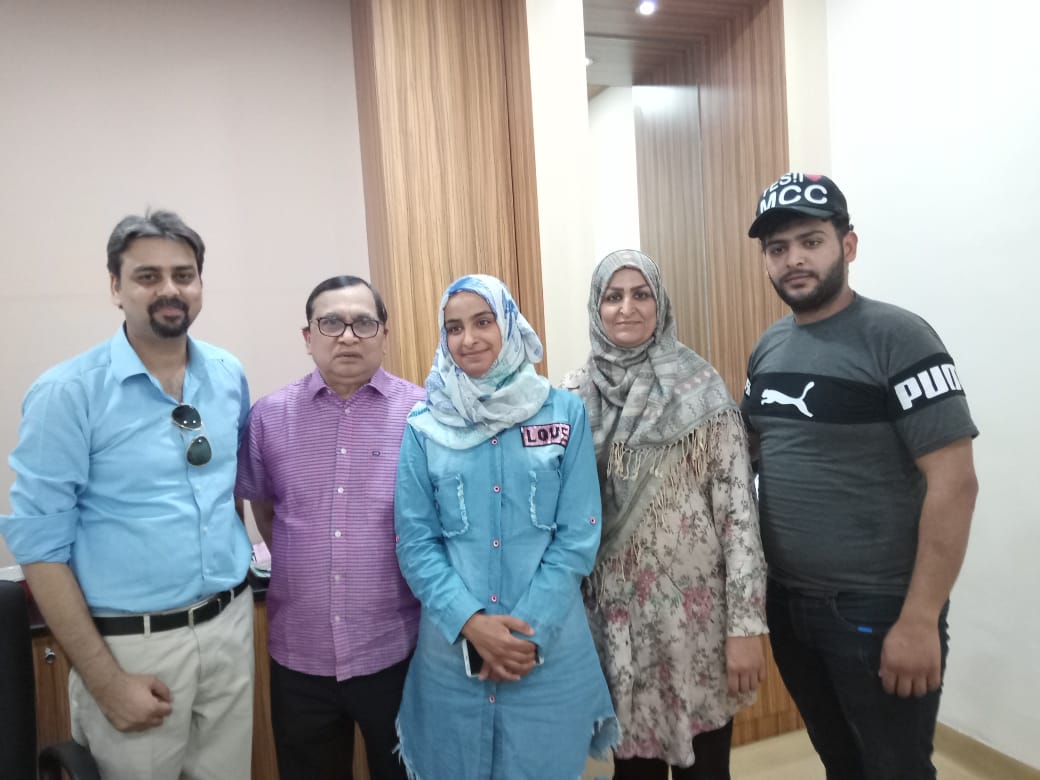
Over the years, Dr Nadeem Khan, associated with Cross Border Care, has helped approximately 50–100 patients from Tanzania access medical treatment in India. His work involves coordinating hospital consultations, connecting patients with appropriate medical specialists and helping families navigate the international treatment process.
Drawing on this experience in international patient coordination, Cross Border Care aims to make specialised medical treatment more accessible to Tanzanian patients.
For families exploring aplastic anaemia treatment in India, understanding the differences between the healthcare facilities available in Tanzania and India can help them make informed decisions about their next steps.
Aplastic Anaemia: Why Timely Treatment Is Important
Aplastic anaemia is a rare but potentially life-threatening condition in which the bone marrow fails to produce sufficient blood cells. Patients may experience:
- Persistent weakness and fatigue due to low red blood cell counts.
- Frequent infections because of low white blood cell counts.
- Unexplained bruising and bleeding due to low platelet counts.
- Breathlessness and dizziness.
- Increased vulnerability to serious infections.
Treatment depends on disease severity, the patient’s age, general health, and the availability of a suitable stem cell donor. The major treatment options include:
- Supportive treatment with blood and platelet transfusions.
- Immunosuppressive therapy using anti-thymocyte globulin (ATG) and ciclosporin.
- Allogeneic haematopoietic stem cell transplantation (HSCT).
For eligible patients, particularly those with severe aplastic anaemia and a suitable matched sibling donor, allogeneic stem cell transplantation can offer a potentially curative treatment option.
Aplastic Anaemia Treatment in Tanzania: Understanding the Healthcare Landscape
Tanzania has made important progress in developing its stem cell transplantation infrastructure.
Muhimbili National Hospital in Dar es Salaam established the country’s first stem cell transplant programme, representing an important development in East African healthcare. However, access to allogeneic transplantation for aplastic anaemia remains a challenge for many patients.
A six-year retrospective study at Muhimbili National Hospital, covering 2018–2023, analysed 156 patients with acquired aplastic anaemia. It reported that only three patients in the study cohort underwent allogeneic stem cell transplantation abroad.
The findings highlight the importance of improving access to specialised transplantation, intensive immunosuppressive treatment and early referral.
Some challenges patients may encounter include:
- Access to specialised bone marrow transplant centres.
- Availability of advanced HLA testing and donor evaluation.
- Access to alternative donor transplantation programmes.
- Availability of specialised transplant infrastructure.
- Long-term monitoring and management of transplant complications.
For patients whose required treatment is not readily accessible locally, seeking a specialist opinion from an established international transplant centre may be worth considering.
Why Tanzanian Patients Consider India for Aplastic Anaemia Treatment?
India offers a developed network of specialised hospitals providing haematology services and allogeneic stem cell transplantation. For Tanzanian patients, some important considerations include:
Experienced transplant teams
Specialised Indian hospitals, including Indraprastha Apollo Hospital Delhi and Fortis Delhi, have multidisciplinary teams of haematologists, transplant physicians, infectious disease specialists, and critical care professionals.
Advanced donor matching
HLA typing helps doctors identify compatible donors. Depending on the patient’s condition, doctors may evaluate matched sibling, matched unrelated, or haploidentical donor options.
Comprehensive treatment planning
Patients can receive an individualised treatment plan based on their bone marrow biopsy, blood counts, disease severity, previous treatment and donor availability.
Specialised transplant infrastructure
Dedicated transplant units at these hospitals provide controlled environments, infection-prevention protocols, and close monitoring during transplantation and recovery.
Treatment cost considerations
India may offer comparatively affordable treatment options for international patients. However, the actual cost depends on the hospital, transplant type, donor requirements, length of admission and complications.
This comparison reflects broad differences in treatment access and infrastructure. It does not mean that every Indian hospital offers every transplant procedure or that Tanzania has no transplantation facilities.
Leading Bone Marrow Transplant Specialists in India
India has experienced haematologists and paediatric bone marrow transplant specialists who manage complex blood disorders, including aplastic anaemia, thalassaemia, leukaemia and other bone marrow-related conditions.
The following doctors have experience in bone marrow transplantation and specialised haematology care.
| Doctor | Hospital | Experience and Expertise |
| Dr Rayaz Ahmed | Max Healthcare, Delhi NCR | 17+ years of experience and over 1,000 bone marrow transplants, according to his hospital profile. Expertise in autologous, allogeneic and haploidentical transplantation, aplastic anaemia and other blood disorders. |
| Dr Nandini Choudhury Hazarika | Madhukar Rainbow Children’s Hospital, Delhi | 17 years of experience in paediatric haemato-oncology and bone marrow transplantation. Her profile reports 50+ bone marrow transplants in the last six years. |
| Dr Vikas Dua | Fortis Memorial Research Institute (FMRI), Gurugram | 20+ years of experience in paediatric haemato-oncology and BMT. Specialised training in paediatric bone marrow transplantation at NUH Singapore and training at St. Jude Children’s Hospital, USA. |
Dr Nadeem Khan’s Experience in Helping Tanzanian Patients Access Treatment in India
One major concern for patients travelling internationally for medical treatment is finding the right hospital and connecting with the right specialist.
This is where an international medical facilitator’s experience becomes valuable.
Dr Nadeem Khan, associated with Cross Border Care, has helped approximately 50–100 Tanzanian patients access medical treatment in India. His experience involves coordinating hospital consultations and helping patients connect with suitable Indian healthcare providers.
Rather than simply arranging hospital visits, the focus is on understanding the patient’s medical requirements and facilitating communication with the relevant medical teams.
For patients with complex conditions such as aplastic anaemia, this coordination can involve several important steps:
- Collecting previous medical reports and treatment records.
- Facilitating specialist consultations with Indian hospitals.
- Coordinating medical opinions and treatment estimates.
- Helping families understand available treatment options.
- Assisting with hospital admission and travel planning.
- Supporting communication between patients, families and hospital representatives.
Cross Border Care also maintains patient testimonials and case records that document its international patient coordination experience.
This experience reflects its ongoing work in helping Tanzanian families explore healthcare options in India.
Why Early Referral to a Specialist Matters
Aplastic anaemia can become life-threatening when severe blood cell deficiencies are not managed appropriately. Patients should not delay specialist evaluation, particularly when they experience persistent infections, bleeding, severe fatigue or significantly reduced blood counts.
For patients from Tanzania, an early international medical opinion may help clarify:
- Whether the diagnosis has been adequately established.
- Whether the disease is severe or very severe.
- Whether immunosuppressive treatment is appropriate.
- Whether the patient is a candidate for stem cell transplantation.
- Whether a suitable donor is available.
- Which hospital and treatment approach are appropriate.
A qualified haematologist and transplant team must always decide whether to proceed with transplantation.
Why Choose Cross-Border Care for Medical Treatment in India?
Choosing an international medical facilitator can make the treatment journey more organised for patients and their families.
With experience assisting approximately 50–100 Tanzanian patients, Dr Nadeem Khan and Cross Border Care understand the practical challenges of international patient coordination.
Their focus is on helping patients access appropriate Indian healthcare providers while reducing the difficulties associated with travelling abroad for medical treatment.
From the initial medical consultation to hospital coordination, visa assistance and accommodation arrangements, the organisation aims to support patients at different stages of their healthcare journey.
Helping Tanzanian Patients Explore Advanced Aplastic Anaemia Treatment in India
Aplastic anaemia requires accurate diagnosis, timely treatment and specialised medical care. Although Tanzania has made progress in developing its stem cell transplantation infrastructure, access to allogeneic transplantation remains limited for some patients.
India offers specialised haematology centres, donor-matching facilities and established bone marrow transplantation programmes.
Through his experience assisting hundreds of Tanzanian patients, Dr Nadeem Khan has gained practical experience coordinating international medical consultations and access to treatment in India.
Cross Border Care aims to make this journey easier for Tanzanian families by connecting them with suitable Indian hospitals and supporting them with medical consultations, travel arrangements and treatment coordination.
If you or a family member has been diagnosed with aplastic anaemia, contact Cross Border Care to explore specialist treatment options in India.
Frequently Asked Questions
Can Tanzanian patients travel to India for aplastic anaemia treatment?
Yes. Tanzanian patients can seek specialist consultations and treatment at suitable Indian hospitals, depending on their medical requirements and eligibility.
Is stem cell transplantation a permanent treatment for aplastic anaemia?
Allogeneic stem cell transplantation can potentially cure aplastic anaemia in eligible patients. However, outcomes depend on donor compatibility, patient health, disease severity and transplant-related risks.
Is autologous stem cell transplantation recommended for aplastic anaemia?
Generally, no. Allogeneic transplantation using healthy donor stem cells is the established approach for eligible patients with aplastic anaemia.
Can a family member donate stem cells?
Yes. A matched sibling may be a suitable donor. The transplant team can also evaluate other donor options.
How much does aplastic anaemia treatment cost in India?
Treatment costs vary depending on the procedure, hospital, donor requirements, duration of hospitalisation and complications. Patients should request an individualised estimate.
How does Dr Nadeem Khan help Tanzanian patients?
Dr Nadeem Khan and Cross Border Care assist patients seeking treatment in India with hospital consultations, medical coordination, travel arrangements, visa documentation, and accommodation.
How can I arrange a medical consultation in India from Tanzania?
Patients can contact Cross Border Care and share their available medical records so we can coordinate a specialist consultation with an appropriate Indian hospital.
November 24, 2026