Categories
Cancer tratment

What Really Happens During a Pediatric Bone Marrow Transplant in India?

When a doctor tells you that your child needs a bone marrow transplant, life changes overnight. Along with the emotional stress, parents suddenly face dozens of questions.

How long will we stay in India? Will my child need surgery? What medicines will be given? Will my child be in pain? Can I stay with my child? What happens after the transplant?

These are questions that many parents from Tanzania ask us before travelling to India.

Most hospital websites explain what a bone marrow transplant is, but very few explain what families actually experience from the day they arrive until they return home.

This guide walks you through the real journey of a Pediatric Bone Marrow Transplant at Indraprastha Apollo Hospital, Delhi with the support of Cross Border Care, so you know what to expect at every stage.

Before You Travel: Preparing for Your Child’s Treatment

Your journey usually begins from home in Tanzania. Before asking you to travel, the transplant doctors at Indraprastha Apollo Hospital Delhi carefully review your child’s medical records.

Cross Border Care helps collect and organise important documents such as:

  • Blood test reports
  • Bone marrow biopsy report
  • Previous chemotherapy records
  • CT or MRI scans (if available)
  • Passport copies
  • Medical history

After reviewing the reports, Apollo’s paediatric transplant specialist conducts an online consultation with your family. During this meeting, the doctor explains whether your child requires a bone marrow transplant, the type of transplant recommended, whether a donor is needed, the estimated treatment duration, and the expected costs.

Only after the doctors are satisfied that travelling is appropriate does Cross Border Care begin arranging your medical visa, hospital appointment, airport pickup, and accommodation.

Day 1: Arriving at Indraprastha Apollo Hospital Delhi

Many parents believe that the transplant starts as soon as they arrive in India.In reality, the transplant does not happen on the first day.The first few days are dedicated to preparing your child safely for treatment.

After completing hospital registration, your child is admitted to the paediatric transplant unit, where doctors perform a complete medical assessment. You will meet the transplant physician, nursing team, transplant coordinator, dietitian, and other specialists who will be involved in your child’s care.

This is also the time when parents receive detailed information about infection prevention, hospital rules, expected recovery, and the treatment timeline.

Days 2–7: Medical Tests Before the Transplant

The next several days are focused on ensuring your child is healthy enough to undergo the transplant. Although it may seem like a lot of testing, every investigation helps reduce the risk of complications later.

Your child may undergo:

  • Complete blood tests
  • Bone marrow examination
  • HLA donor matching
  • Heart function tests (ECG and Echocardiogram)
  • Lung function assessment
  • Liver and kidney function tests
  • Infection screening
  • Dental and eye examinations if required

The donor also undergoes detailed testing if a family member is providing stem cells.

One Small Tube That Makes a Big Difference

Before chemotherapy begins, doctors usually insert a central venous catheter, also called a central line.Parents often worry when they hear about this procedure, but it actually makes treatment much easier.

The central line allows doctors to:

  • Give chemotherapy safely
  • Infuse stem cells
  • Administer antibiotics and IV fluids
  • Perform blood tests without repeated needle pricks
  • Give blood and platelet transfusions whenever required

Since children need frequent medicines and blood tests during treatment, this small tube helps reduce pain and makes daily care much more comfortable.

The Conditioning Phase: Preparing the Bone Marrow

This is often the most challenging part of the entire journey.For around 5 to 8 days, your child receives high-dose chemotherapy and, in some cases, radiation therapy. This stage is called conditioning.

The aim is to destroy the unhealthy bone marrow, remove abnormal blood cells, suppress the immune system, and create space for healthy stem cells to grow.

During this period, children may experience:

  • Extreme tiredness
  • Loss of appetite
  • Nausea or vomiting
  • Mouth ulcers
  • Hair loss
  • Fever
  • Loose stools

Apollo’s transplant team closely monitors these side effects and provides medicines to keep your child as comfortable as possible.

What Medicines Does My Child Receive?

Many parents imagine that only chemotherapy is given during treatment. In reality, supportive medicines are an essential part of every bone marrow transplant.

Depending on your child’s condition, doctors may prescribe:

  • Chemotherapy medicines
  • Anti-nausea medicines to control vomiting
  • Pain relief medicines
  • Antibiotics to prevent bacterial infections
  • Antiviral medicines
  • Antifungal medicines
  • IV fluids to maintain hydration
  • Blood and platelet transfusions if blood counts become low
  • Nutritional support if eating becomes difficult

The exact medicines vary from child to child, and the transplant team adjusts them throughout the treatment based on blood test results and your child’s recovery.

Transplant Day: Simpler Than Most Parents Expect

Despite the name, a bone marrow transplant is not an operation.

Healthy stem cells are infused into your child’s bloodstream through the central line, much like a blood transfusion. The procedure usually takes a few hours, and your child remains awake throughout.

Doctors and nurses carefully monitor temperature, heart rate, blood pressure, oxygen levels, and any reactions during the infusion.

Some children experience mild fever, chills, or skin flushing, but these reactions are usually temporary and are treated immediately.

The real work begins after the infusion, when the transplanted stem cells travel naturally to the bone marrow and start producing healthy blood cells.

We are With You In This Journey

Travelling to another country for your child’s treatment can feel overwhelming, especially when you are already dealing with a serious medical condition. At Cross Border Care, our role is much more than simply booking a hospital appointment. We become your dedicated healthcare partner before, during, and even after your child’s treatment at Indraprastha Apollo Hospital Delhi.

Our team works closely with Indraprastha Apollo Hospital Delhi to ensure that every step of your medical journey is well planned and stress-free.

We assist families with:

  • Reviewing your child’s medical reports before travel
  • Arranging online consultations with Apollo’s paediatric bone marrow transplant specialists
  • Providing a personalised treatment plan and estimated cost
  • Medical visa guidance and invitation letters
  • Scheduling hospital appointments and admission
  • Airport pickup and local transportation
  • Hotel or serviced apartment arrangements for parents
  • Language and treatment coordination whenever required
  • Regular communication with the treating doctors
  • Follow-up consultations after returning to Tanzania

Our dedicated coordinators remain available throughout your stay in India, ensuring you always have someone to guide you whenever you need assistance.

Whether it is your first visit to India or you simply need help understanding the treatment process, Cross Border Care is committed to making your child’s journey as safe, organised, and comfortable as possible.

Frequently Asked Questions

 How long do we need to stay in India for a pediatric bone marrow transplant?

Most families stay in India for approximately 8 to 12 weeks. This includes pre-transplant investigations, the transplant procedure, hospital recovery, and follow-up visits before doctors allow your child to travel home.

Can one parent stay with the child during treatment?

Yes. In most cases, Indraprastha Apollo Hospital Delhi allows one parent or guardian to stay with the child throughout the hospital stay. Parents also receive guidance on infection prevention and daily care.

Is a bone marrow transplant a surgery?

No. A bone marrow transplant is not a surgical operation. Healthy stem cells are infused into the bloodstream through a central line, similar to receiving a blood transfusion.

Will my child lose their hair during treatment?

Hair loss commonly occurs because of the high-dose chemotherapy given before the transplant. Hair usually begins to grow back gradually after treatment is completed.

Will my child feel pain during the transplant?

The stem cell infusion itself is generally painless. However, children may experience temporary side effects from chemotherapy, such as tiredness, nausea, mouth ulcers, or fever, which are managed by the medical team.

Categories
Cancer tratment

Bone Marrow Transplant : BMH Tanzania vs Indraprastha Apollo Delhi, India

When a doctor says “bone marrow transplant,” most Tanzanian families face the same question within minutes: do we try for a slot at Benjamin Mkapa Hospital (BMH), or do we look at going abroad?
There’s no single right answer — it depends on the patient’s diagnosis, age, and how much time is available.

Here’s a practical bone marrow transplant in India guide , side-by-side breakdown to help you decide, and where expert guidance from Cross Border Care fits in.

BMH Dodoma vs Indraprastha Apollo Delhi: Quick Comparison


Factor BMH, Dodoma (Tanzania) Indraprastha Apollo, Delhi (India)
Who it’s built for Mainly pediatric sickle cell disease All ages, all blood disorders — leukemia, thalassemia, aplastic anemia, lymphoma, sickle cell
Transplant types Primarily allogeneic (sibling/related donor) for sickle cell Autologous, allogeneic, matched-unrelated, and haploidentical transplants
Wait time Long — dozens of patients on the waiting list at any time Typically weeks, once workup and donor match are complete
Cost Lower on paper, but limited to eligible sickle cell cases Higher sticker price, but full package-based pricing (surgery, ICU, meds, stay)
Donor registry access Limited to family donors Access to large stem cell registries (e.g., DATRI) for unrelated donor search
Track record for complex/adult cases Still building experience Established BMT unit with a long record of complex and rare-case transplants


The takeaway: if your case is a child with sickle cell disease and you can afford to wait, BMH is a legitimate and improving option. For adults, blood cancers, unrelated-donor transplants, or anything time-sensitive, India — and Indrapratha Apollo Hospital in Delhi specifically — remains the more dependable route today.

A Practical Step-by-Step Guide for Families Choosing Bone Marrow Transplant in India

  1. Get a Written Diagnosis Package – Full blood work, biopsy/marrow reports, imaging, and your treating doctor’s notes. This is what any hospital abroad will need first.
  2. Get an Independent Opinion Before Committing – Share reports with a cross-border care coordinator for a second opinion before booking anything — this avoids wasted trips or the wrong hospital choice.
  3. Compare Real Cost Estimates, Not Headlines – Ask for a full package quote covering surgery, ICU days, medicines, donor search (if an unrelated donor is needed), and companion stay — not just the “starting from” number.
  4. Sort Visa and Travel Early – E-medical visas for India are usually processed within a few days; book flights only after the hospital confirms a treatment date.
  5. Plan for the Full Stay, Not Just the Procedure – Stem cell transplant in India recovery typically needs several weeks in-hospital plus monitored recovery time before it’s safe to fly home.
  6. Arrange Local Follow-Up in Tanzania – Post-transplant monitoring should be coordinated with a doctor back home before you travel, so care continues smoothly after discharge.

How Dr. Nadeem Khan and Cross Border Care Help

This is exactly where most families get stuck — not on the medicine, but on the logistics: which hospital, which doctor, what will it really cost, and who do you call at 2 a.m. if something goes wrong in a country you’ve never visited.

Dr. Nadeem Khan and the Cross Border Care team work specifically with patients from Tanzania and other East African countries, and their role typically covers:

  • Medical Report Review & Hospital Matching – Your reports go directly to the right specialist team at Indraprastha Apollo Hospital in India, avoiding guesswork about which hospital fits your case.
  • Transparent Cost Estimates – A realistic stem cell transplant cost in India before you travel, so there are no surprise costs mid-treatment.
  • Visa & Travel Coordination – Support with medical visa documentation and flight/stay planning.
  • On-Ground Support in India – Airport pickup, hospital admission support, and being a point of contact throughout the hospital stay.
  • Post-Discharge Coordination – Helping hand off follow-up care to your local doctor once you’re back home.

Families who’ve used our support consistently describe it as the difference between navigating a foreign hospital system alone and having someone who’s done this hundreds of times walking alongside them.

FAQ

Is BMH Dodoma a good option for a bone marrow transplant?

Yes, but mainly for children with sickle cell disease with a related donor. For adults, blood cancers, or unrelated-donor transplants, India is currently the more established option.

Q2. How much does a bone marrow transplant cost at Apollo Indraprastha compared to BMH?

Apollo Indraprastha’s BMT packages typically range from around $18,000 for an autologous transplant to $30,000+ for an allogeneic transplant, covering surgery, ICU, and hospital stay. BMH’s costs are lower on paper but apply only to eligible sickle cell cases within its current program.

Q3. How long does the whole process take from diagnosis to discharge in India?

After reports are reviewed and a donor match is confirmed, treatment can usually begin within a few weeks. The hospital stay itself typically runs several weeks, followed by a period of monitored recovery before flying home.

Q4. Do I need to find a donor myself before contacting Cross Border Care?

No. If a family donor isn’t available or compatible, Indraprastha Apollo Hospital can search registries like DATRI for an unrelated donor match as part of the treatment workup.

Q5. What does Dr. Nadeem Khan actually helps with — is it medical advice or logistics?

Both. He reviews your medical reports to help match you with the right hospital and specialist, and then coordinates the practical side — cost estimates, visa support, travel, hospital admission, and follow-up handoff to your doctor back home.

Q6. Is a medical visa hard to get for BMT treatment in India?

No. India’s e-medical visa is generally processed within a few days once you have a hospital’s treatment confirmation letter.

Q7. What happens after I return to Tanzania post-transplant?

Post-BMT patients need ongoing monitoring for infection risk and recovery progress. This follow-up care is coordinated with a local doctor in Tanzania before you travel back, so there’s no gap in care.

Bottom Line

BMH represents real, hard-won progress for Tanzania — but its current scope is narrow. For most adult patients, blood cancer cases, and anyone who needs an unrelated-donor transplant, Indraprastha Apollo in India remains the more complete option, backed by decades of transplant experience.

The gap between “possible” and “actually manageable” is almost always logistics — and that’s where working with an experienced coordinator for stem cell transplant in India like Dr. Nadeem Khan at Cross Border Care makes a real difference.

Categories
Cancer tratment

Bone Marrow Transplant: India vs Tanzania — Which Is the Better Option in 2026?

Tanzania has made genuine progress in transplant medicine over the last decade. Benjamin Mkapa Hospital (BMH) in Dodoma is now the only hospital in East and Central Africa performing bone marrow transplants (BMT) for children with sickle cell disease, and it has been recognised by the East African Community as a regional Centre of Excellence for the procedure. That’s a real achievement, and it matters for the region.

But for a Tanzanian family facing an actual diagnosis today — leukemia, thalassemia, aplastic anemia, or a sickle cell case that needs a transplant now rather than in a few years — the honest question is: where should your family go? This guide compares the two options directly, on the factors that actually decide outcomes: transplant volume, donor access, technology, specialist depth, and total cost. Let us look why bone marrow transplant in India is still a better option.

Quick Comparison Table


Factor Benjamin Mkapa Hospital (Tanzania) Indraprastha Apollo Hospital, Delhi
BMT programme age Since 2018; first sickle cell BMT success in 2023 Multi-decade programme across 4+ dedicated transplant centres
Annual transplant volume Small, growing cohort (currently ~50 patients on waiting list) Hundreds of transplants per year across the network
Transplant types offered Primarily allogeneic BMT for sickle cell disease in children Autologous, allogeneic (sibling & unrelated donor), haploidentical, cord blood, full pediatric programme
Donor registry access Limited to related/regional donor matching Access to large national and international unrelated donor registries
Estimated cost ~Tsh 75 million (~$29,000–$30,000) $15,000–$33,000 depending on transplant type
Wait time Currently constrained — 50 children on waiting list for limited capacity Faster scheduling once case is accepted, due to higher bed and specialist capacity
International patient support Domestic-focused; not yet built for cross-border case management Dedicated international patient desks, visa support, telemedicine follow-up

Bone Marrow Transplant India vs Tanzania-Comparison

Track Record and Transplant Volume

This is the single biggest factor in BMT outcomes, and it isn’t close.

BMH performed Tanzania’s first successful sickle cell BMT in 2023 and has since completed transplants on 30 children, with 12 discharged and back in school — a genuinely encouraging start for a programme still in its early years.

Indraprastha Apollo Hospital, Delhi , by comparison, operates one of the largest BMT networks in Asia, with dedicated transplant units in Delhi, Chennai, Hyderabad, and Mumbai, performing autologous, allogeneic, haploidentical, cord blood, and pediatric transplants at volumes exceeding hundreds of procedures per year.

In transplant medicine, hospitals performing 100+ procedures annually consistently show better outcomes than lower-volume centres — because the surgical team, the ICU staff, the infection-control protocols, and the post-transplant care pathway are all more practiced.

What this means for a patient: a young programme can still deliver a successful transplant, but a high-volume centre has seen far more of the complications, rare reactions, and edge cases that determine whether a transplant succeeds — and has systems built specifically to manage them.

Donor Matching and Transplant Types

BMH’s programme is currently focused on allogeneic transplants for sickle cell disease in children, generally relying on related or regional donor matches. This is an important and appropriate starting point, but it does not yet include the full spectrum of transplant options.

Apollo offers the complete range of Bone marrow transplant in India: autologous transplants (using the patient’s own cells), matched sibling donor transplants, matched unrelated donor (MUD) transplants drawing on large national and international donor registries, haploidentical transplants (using a half-matched family donor — critical when no full match exists), and cord blood transplants. For many blood cancers and disorders, especially in patients without a sibling match, access to a haploidentical or MUD programme is what makes a cure possible at all.

What this means for a patient: if a sibling match isn’t available — which is the case for roughly two-thirds of patients — a centre with a mature unrelated-donor and haploidentical programme has a real, practical advantage.

Facilities and Technology

BMT requires more than a skilled surgeon. It requires HEPA-filtered positive-pressure isolation rooms, a dedicated transplant ICU, an in-house blood bank capable of rapid component support, and a multidisciplinary team of hematologists, infectious disease specialists, and transplant nurses working in constant coordination for weeks at a stretch.

BMH has invested heavily in infrastructure — the hospital now runs 20 specialised and 18 super-specialised departments and is currently expanding its BMT unit from three isolation rooms to six. This expansion is a genuine sign of progress, but it also confirms the programme is still scaling up its core infrastructure.

Apollo’s transplant centres already operate at this scale, with established isolation units, dedicated transplant ICUs, and infrastructure that has supported hundreds of pediatric and bone marrow transplants in India, including complex pediatric and haploidentical cases.

Doctors and Specialists

To be direct about something families often ask: BMH’s hematology team, including specialists like Dr Stella Malangahe, has done credible work and that deserves genuine respect. The limitation isn’t skill — its depth of bench.

Apollo’s BMT teams include doctors who have individually overseen large volumes of pediatric and adult transplants across thalassemia, sickle cell disease, leukemia, and primary immunodeficiency disorders — specialists whose case experience runs into the thousands collectively across the network, working alongside infectious disease physicians, transplant nutritionists, and psychosocial support teams built specifically around long BMT admissions

5. Cost — the Real Numbers

Bone marrow transplant cost in India and Tanzania needs real comparison, not marketing.

BMH: A Bone marrow transplant cost in Tanzania is approximately Tsh 75 million (roughly $29,000–$30,000) locally, government-subsidised in many cases through the hospital’s transplant fund.

Apollo (India): Autologous BMT cost $15,000–$22,000; allogeneic BMT with a matched sibling donor cost roughly $25,000–$33,000. Unrelated donor transplants cost more once international registry search and cell procurement are factored in.

On paper, the ranges overlap. But two things change the real-world calculation:

  1. Wait time has a cost too. BMH currently has around 50 children waiting for limited transplant slots. For a progressing blood cancer or a worsening sickle cell case, months on a waiting list is not a neutral cost — delay can change eligibility and outcomes.
  2. Total cost of care, not just the sticker price. A cheaper transplant with a longer wait, a less mature unrelated-donor programme, or a higher complication rate can end up costing more in the long run — in additional treatment, extended hospital stays, or the need for a second transplant.

Why India — and Apollo Specifically — Comes Out Ahead

Weighing all five factors together:

  • Volume and experience: Bone marrow transplant doctors in India at Apollo have handled a far larger and more varied caseload than any current East African programme.Full donor-matching spectrum: access to haploidentical and unrelated-donor programmes matters enormously when no sibling match exists — which is the majority of cases.

    Mature infrastructure: isolation units, transplant ICUs, and multidisciplinary teams that are already operating at scale, not still being built out.

    Faster access to treatment: no multi-month waiting list for a limited number of slots.

    Built for cross-border patients: dedicated international patient coordination, e-Medical Visa support, and telemedicine follow-up once the patient returns home — infrastructure Tanzania’s domestic programme isn’t yet designed around.

None of this takes away from what BMH has achieved — it is a real and important development for Tanzania and the wider East African region, and it will likely close this gap over the coming years as its programme matures. But for a family making a decision today, with a specific diagnosis and a specific timeline, India — and Apollo Hospitals in particular — currently offers the deeper bench, the broader donor access, and the faster path to treatment.

Frequently Asked Questions

Is a bone marrow transplant in India more expensive than in Tanzania?

Not necessarily. Autologous BMT in India can cost less than a transplant at BMH once currency conversion is applied, though matched sibling allogeneic transplants are roughly comparable in price. The bigger cost difference usually comes from wait time and the risk of needing a second procedure, not the headline price.

Do Tanzanian patients need a visa to get a bone marrow transplant in India?

Yes. Tanzanian patients apply for an e-Medical Visa, typically processed within 3–5 business days, valid for stays up to 60 days and extendable to 6 months. An accompanying family member travels on a separate e-Medical Attendant Visa.

How long does a patient need to stay in India for a bone marrow transplant?

Plan for a minimum of 3–4 months for an allogeneic transplant, covering treatment and initial recovery monitoring, since patients generally need to remain near the hospital for 60–100 days post-transplant.

Can Tanzanian patients get a bone marrow transplant without a sibling donor match?

Yes — this is one of the main reasons families choose Apollo. Its haploidentical and matched-unrelated-donor programmes allow bone marrow transplant in India to proceed even when no full sibling match is available, an option not yet consistently offered by Tanzania’s domestic programme.

Is Benjamin Mkapa Hospital a bad option for bone marrow transplant?

No — BMH’s programme is a genuine and valuable development for Tanzania, with real successful outcomes in sickle cell patients. It simply has less volume, a narrower donor-matching range, and a current waiting list, which is why many families with urgent or complex cases still choose to travel to India.

Contact Cross Border Care Today

If you are looking for immediate assistance for a bone marrow transplant in India, contact Dr Nadeem Khan from Cross Border Care today.

Categories
Cancer tratment

Hidden Costs of Bone Marrow Transplant in India

The cost of a bone marrow transplant isn’t just about the surgery—it’s about preparing for the entire journey.

For many families in Tanzania, travelling to India for a bone marrow transplant is a decision driven by hope. There are best bone marrow transplant specialists in India ,advanced hospitals and internationally recognised treatment protocols. While the treatment itself is often more affordable than in many other countries, many families are surprised to discover that the hospital package is only one part of the total expense.

Medical visas, flights, accommodation, daily living expenses and follow-up care can all affect your overall budget. Understanding these costs before travelling helps families avoid unexpected financial stress and focus on what truly matters—the patient’s recovery.

At Cross Border Care, we help Tanzanian patients plan every step of their treatment journey, from choosing the right hospital to returning home safely after recovery.

What’s Usually Included in the Hospital Package?

Indraprastha Apollo Hospital, New Delhi, best bone marrow transplant hospital in India, provides a treatment estimate after reviewing the patient’s medical reports. This generally includes the transplant procedure, hospital admission, ICU care (if required), doctor’s consultations, nursing care and medicines used during hospitalisation.

However, some important expenses are usually outside the treatment package.

Medical Visa & Flight Expenses

The first hidden cost begins before you even leave Tanzania. Patients require an Indian Medical Visa, while an accompanying family member usually travels on a Medical Attendant Visa. Flight prices also vary depending on the travel season and how early tickets are booked.

How Cross Border Care Helps

Our team coordinates with Apollo Hospital to arrange the required medical invitation letter, guides you through the visa application process and helps you prepare the necessary documents before travel. We also advise families on planning their travel early so they can often benefit from better flight fares.

Where Should You Stay Near Apollo Hospital?

During Bone marrow transplant in India patients usually stay in Delhi for several weeks after discharge because frequent follow-up appointments and blood tests are essential.

The most convenient areas near Indraprastha Apollo Hospital are Jasola, Sarita Vihar and New Friends Colony. Among these, Jasola is one of the most preferred locations because it is only a few minutes from the hospital and offers a good selection of budget hotels, serviced apartments and guest houses.

Accommodation generally starts from USD 10–15 per night for budget stays, USD 20–30 for mid-range hotels and more for premium options.

How Cross Border Care Helps

Instead of spending hours searching online after reaching India, Cross Border Care helps families book comfortable accommodation near Apollo Hospital before they travel. We recommend options that match your budget while keeping you close to the hospital throughout treatment.

Daily Living Expenses

Another cost that families often underestimate is everyday living meals, bottled water, groceries, laundry, local SIM cards and personal essentials can add up during a stay that may last several weeks.

A family should generally keep a budget of USD 15–30 per day for daily expenses

How Cross Border Care Helps

Our coordinators recommend affordable restaurants, grocery stores, pharmacies and nearby markets around Apollo Hospital. We also help international patients purchase local SIM cards and guide them on essential services so they can settle comfortably without unnecessary spending.

Local Transportation

Travelling between the airport, hotel and hospital is another important expense which is provided by the Apollo Hospital free of cost.

Although Delhi has excellent public transport, patients recovering from a bone marrow transplant usually require a cleaner and more comfortable mode of travel due to their reduced immunity. Staying close to Apollo Hospital in Jasola or Sarita Vihar also helps reduce daily transport costs.

How Cross Border Care Helps

We arrange airport pickup (if required), help families choose the most convenient transport options and recommend accommodation within a short distance of the hospital so patients can avoid long daily journeys.

Medicines & Follow-Up Care

The bone marrow transplant in India for Tanzanian patients is only one stage of treatment. After discharge, patients require regular blood tests, doctor consultations and medicines to support recovery and reduce the risk of infection.

Depending on the patient’s condition, some of these expenses may not be included in the original hospital estimate.

How Cross Border Care Helps

Before treatment begins, we explain which medical expenses are generally included in the hospital package and which may vary depending on recovery. This helps families prepare a realistic medical budget and avoid unexpected financial surprises.

Longer Stay Than Expected

Every patient’s recovery is different. While some patients recover according to schedule, others may need to remain in India for additional observation before receiving clearance to travel home.

A longer stay naturally increases accommodation, food and transportation expenses.

How Cross Border Care Helps

If your stay needs to be extended, our team assists with accommodation extensions, appointment scheduling and travel rescheduling. We continue supporting your family until your treating doctor confirms that it is safe to return to Tanzania.

A Simple Budget Planning Checklist

Before travelling to India, make sure your budget includes:

Expense Plan For
Hospital treatment As per the hospital estimate
Medical visa & flights Patient and one attendant
Accommodation Stay near Apollo Hospital
Daily living Food, groceries and essentials
Local transport Airport and hospital visits
Emergency fund Medicines or extended stay

Conclusion

Travelling to another country for a bone marrow transplant is a significant step, and careful financial planning is just as important as choosing the right doctor. At Cross Border Care, medical consultants for bone marrow transplant in India, we believe that patients should never have to face this journey alone. From helping you choose the right hospital and arranging online consultations to assisting with visas, accommodation, airport transfers and treatment coordination, we are with you every step of the way—so you can focus on hope, healing and recovery.

Contact Dr Nadeem Khan, director at Cross Border Care to know more.

Frequently Asked Questions

Is accommodation included in the bone marrow transplant package?

No. Accommodation for the patient and accompanying family members is usually arranged separately.

Which area is best for staying near Apollo Hospital?

Jasola, Sarita Vihar and New Friends Colony are among the most convenient locations because they are close to Apollo Hospital and offer accommodation for different budgets.

Does Cross Border Care help with medical visas?

Yes. We assist with hospital invitation letters, documentation guidance and the overall medical visa process.

Can Cross Border Care arrange accommodation before I arrive in India?

Yes. We help Tanzanian families book safe and affordable accommodation near Apollo Hospital before they travel to India. How to Find a Donor for a Bone Marrow Transplant?

Categories
Uncategorized

How to Find a Donor for a Bone Marrow Transplant?

Finding a donor for a bone marrow transplant is not a simple process for Tanzanians in India.For Tanzanians looking to get stem cell transplantation treatment in India, finding a bone marrow donor is no easy task. 

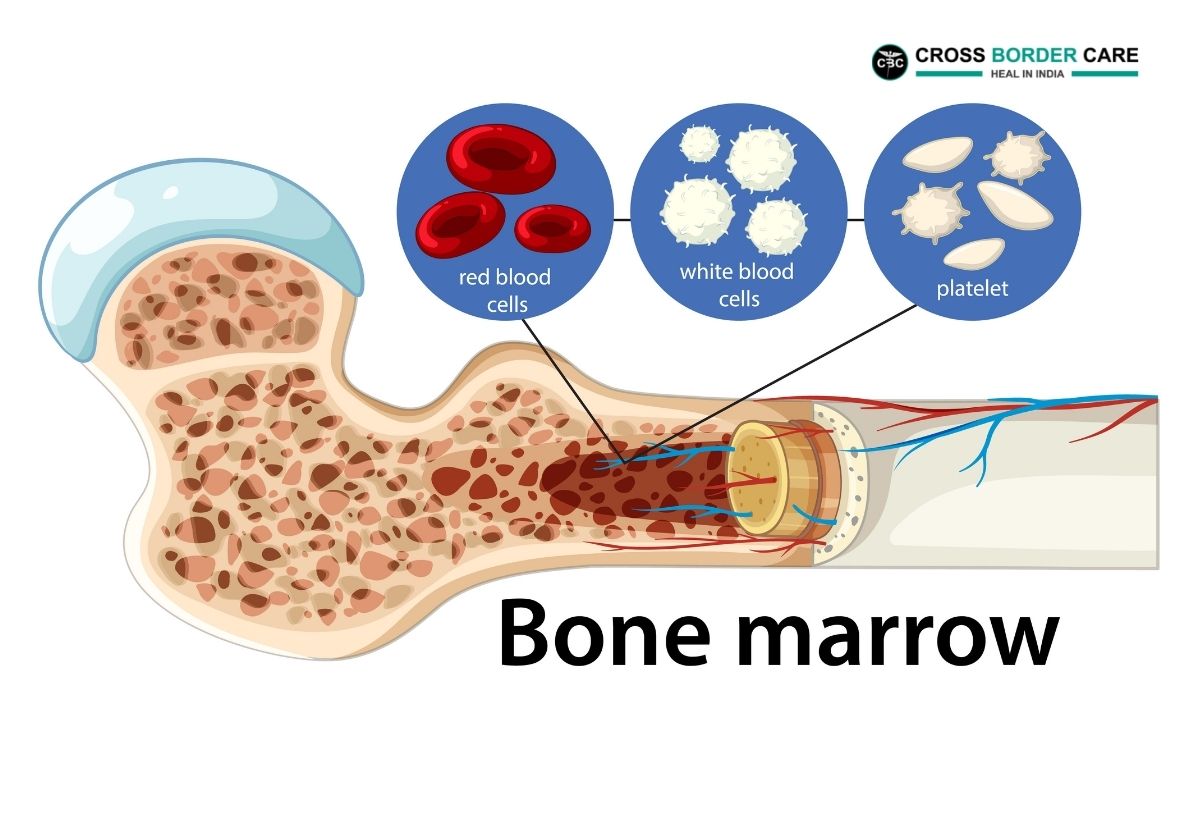
A bone marrow transplant (also called a stem cell transplant) is the most promising treatment offered to many patients with leukemia, lymphoma, aplastic anemia, thalassemia, sickle cell disease, and other blood disorders for long-term remission or cure. 

Finding an appropriate stem cell donor is one of the most crucial steps in the transplant journey. If you’re a Tanzanian patient considering a stem cell transplant in India, it’s essential to understand the process of donor matching.Understanding the process of donor matching can help alleviate uncertainty and prepare for treatment for Tanzanian patients considering a stem cell transplant in India. Cross Border Care provides support to patients throughout this journey and helps them get treatment from the best hospital for stem cell transplant in India-Indraprastha Apollo Hospital.

What is the need of a bone marrow transplant donor?

In an allogeneic stem cell transplant, healthy stem cells are collected from a donor and transplanted into the patient. The healthy stem cells can grow into damaged or diseased bone marrow and can produce new blood cells. The ability to undergo a transplant will greatly depend on a donor that has tissue that closely matches the patient’s. A special blood test  known as Human Leukocyte Antigen (HLA) typing is performed by the doctors and is used to see if the patient and potential donor are compatible. 

Who Can Be a Bone Marrow Donor? 

Sibling Donors

Brothers and sisters are the most likely to be a close HLA match. A perfectly matched sibling donor often is the optimal source of transplant. If you are a Tanzanian patient looking to get a stem cell transplant in India, your transpla

nt team will request HLA testing of your sibling before looking for other options.

Parents or Children

Haplocidentical transplants have become more and more successful as a result of medical progress in transplantation. In these transplants, a parent or child, who are only partially matched, can be a donor. This option of transplantation is for those patients without a fully matched sibling donor.

Unrelated Donors

When no family donor is available, physicians can use a search system of donor registries from other countries to find a donor that does not belong to the family, but has an HLA profile that is compatible with the patient. The registries have millions of volunteer donors from all over the world. The Apollo Hospital Delhi transplant team can reach out to provide donor searches with the help of some reputed international donor search platforms.

Cord Blood Donors

Stem cells harvested from the umbilical cord blood may also be used for transplant in certain patients. Cord blood transplants can be a possibility if a matched donor can’t be found in a timely manner.

What is involved in Donor Matching?

HLA typing is the initial step in the donor search process.

  • A sample of blood is taken from the patient and prospective donors, then compared with the genetic markers. Specialists evaluate:
  • Degree of HLA match
  • Age of the donor and the donor’s overall health
  • Medical history
  • Blood type compatibility
  • Urgency of treatment

The closer the match, the less likely the transplant will have complications and the better the outcome.

What If No Donor is Available?

Many patients can be concerned about the lack of finding a donor. Luckily, however, modern transplantation techniques have greatly enhanced the number of choices for patients who don’t have a perfect match.

Many patients today can have successful outcomes after undergoing:

  • Partially matched family transplants (haploidentical)
  • Matched unrelated donor transplants (MUDT)
  • Cord blood transplants

A highly experienced stem cell transplant hospital in India like Apollo Hospital Delhi can assess various donor options and suggest the best donor option.

Why Choose Apollo Hospital Delhi for Stem Cell Transplant?

Apollo Hospital Delhi is one of the best hospitals in India to perform bone marrow and stem cell transplant for both national and international patients. The hospital has state-of-the-art transplant facilities, dedicated hematology teams, high-tech donor matching and a full array of services for patients from abroad. Patients benefit from:

  • Highly qualified stem cell transplant doctors
  • Highly sophisticated HLA matching techniques.
  • Completely infection controlled transplant units
  • A method for obtaining access to international donor registries.
  • Comprehensive post-transplant care

The hospital has a wide experience of treating foreign patients from Tanzania and other African countries.

How Cross Border Care is helping Tanzanian patients?

The process of searching for someone to donate to and arranging treatment abroad can be daunting. To make it easier, Cross Border Care, medical consultants for Tanzanian patients in India arranges end-to-end assistance for Tanzanians who need stem cell transplant in India.

Our services include:

  • Medical record review
  • Co-ordination with transplant specialists at Apollo
  • Treatment cost estimation
  • Medical visa assistance
  • Seven days of travel and accommodation help
  • Follow-up care coordination

We strive to provide patients and families with the information they require throughout the treatment process.

Conclusion

A suitable donor is the most crucial part of a successful bone marrow transplant. Today’s transplant technology allows treatment for more patients than ever before, regardless of whether the donor is a sibling, parent, child, a volunteer unrelated donor or a source of umbilical cord blood.

But if you are a patient from Tanzania who is searching for stem cell transplant treatment in India, Cross Border Care can help you find the top transplant doctor at Apollo Hospital Delhi, arrange the evaluation of your donor and guide you through each and every step of your treatment with utmost confidence. Visit Our :- Happy Client

FAQ

How do doctors find a bone marrow donor for a stem cell transplant?

Doctors perform Human Leukocyte Antigen (HLA) typing to identify a compatible donor. The search usually begins with siblings and other family members. If no suitable family donor is found, international donor registries and cord blood banks may be explored.

Who is the best donor for a bone marrow transplant?

A fully matched sibling donor is generally considered the best option because it reduces the risk of transplant complications and improves transplant success rates.

Can a parent donate bone marrow to their child?

Yes. With advances in haploidentical stem cell transplantation, parents can often serve as partially matched donors when a fully matched sibling donor is unavailable.

What happens if no matching donor is found?

If a fully matched donor cannot be identified, doctors may consider a haploidentical transplant, a matched unrelated donor transplant, or a cord blood transplant depending on the patient’s condition.

How long does it take to find a bone marrow donor?

The time varies from patient to patient. A family donor may be identified within a few days, while searching international donor registries can take several weeks depending on donor availability and compatibility.

Is bone marrow donor testing painful?

No. HLA typing usually requires only a blood sample or cheek swab from the potential donor. The testing process is simple and safe.

10 Signs Tanzanian Patients Need a Stem Cell Transplant in India

Categories
Cancer tratment

10 Signs Tanzanian Patients Need a Stem Cell Transplant in India

Blood cancers like leukaemia, lymphoma and multiple myeloma impair the body’s ability to make healthy blood cells. Chemotherapy, targeted therapy, and immunotherapy are some of the treatment options available; however, for some patients, a stem cell transplantation in India is needed to attain a long-term remission or a potential cure.

Knowing when you might need a stem cell transplant can help you and your family make an informed treatment decision.

In this piece, we will discuss 10 signs that may indicate the need for a stem cell transplant for blood cancer.

Your blood cancer has relapsed

The most common reason to recommend a stem cell transplant is when blood cancer comes back after treatment. If a relapse occurs, it may mean that there were cancer cells left behind after chemotherapy, and they will need more strident treatment in order to be destroyed.

Chemotherapy no longer works

Some patients have cancer that is not cured by chemotherapy or targeted treatments. A stem cell transplant may prove to be a more promising option for controlling or curing the cancer if the disease continues to advance in spite of treatment.

You have high-risk leukaemia

Some leukaemias, such as high-risk acute myeloid leukaemia (AML) and acute lymphoblastic leukaemia (ALL), are more likely to return. In these situations, even if the patient gets remission, doctors might consider a stem cell transplant.

Your Bone Marrow is Badly Damaged

Blood cancers tend to invade the marrow, the site of blood cell formation. A stem cell transplantation in India may be required if the marrow is not able to produce normal blood cells, such as red blood cells, white blood cells, or platelets.

You require a high dosage of chemotherapy

High-dose chemotherapy is needed to kill cancer cells in some cases of blood cancer. But this aggressive therapy also harms healthy bone marrow. A stem cell transplant can replace damaged marrow and help to heal.

Frequent Infections due to low Immunity

Patients who have blood cancers may get recurrent infections due to a weakened immune system. When persistent infections and low counts of white blood cells occur, the disease may have an impact on bone marrow function and an evaluation for transplant is considered in such cases.

Severe Anaemia or Low Blood Counts

If your blood tests consistently show dangerously low levels of red blood cells, white blood cells, or platelets despite treatment, doctors may consider a stem cell transplant to rebuild a healthy blood-forming system.

Your Doctor Identifies a Suitable Stem Cell Donor

For patients requiring an allogeneic stem cell transplant, finding a compatible donor can significantly improve treatment options. If a matched sibling, family member, or unrelated donor is available, your healthcare team may recommend proceeding with transplantation.

You Have Multiple Myeloma Requiring Advanced Treatment

Patients with multiple myeloma often benefit from autologous stem cell transplantation, which uses their own stem cells. This treatment can help prolong remission, improve quality of life, and enhance treatment outcomes.

Your Medical Team Recommends Transplant as the Best Chance for a Cure

Every patient’s situation is unique. After evaluating factors such as cancer type, stage, age, overall health, and response to treatment, specialists may determine that a stem cell transplant in India offers the highest likelihood of long-term survival and disease control.

Get Stem Cell Transplantation in India

Cross Border Care is a medical consultant in India for Tanzanian patients. Choosing the right doctor and right hospital in India for a stem cell transplant can be overwhelming. We help Tanzanian patients with:

  • The review of medical records and expert consultations.
  • Help to select the best hospital and the best doctor.
  • The treatment plan and cost estimation
  • Medical visa assistance
  • The travel and accommodation support
  • Post-treatment follow-up coordination
  • We will be with you from the start to the end of your treatment

Conclusion

Many patients with blood cancer may benefit from a stem cell transplant in India, and it can save their lives. When a patient has relapsed with the disease, is not responding to treatment, has severe damage to the bone marrow or has other symptoms listed above, it could be appropriate to seek the advice of a transplant specialist.

Cross Border Care will facilitate the patient’s linkage with the top stem cell transplant specialists in India, providing access to world-class care and treatment assistance.

Get in touch with Dr Nadeem Khan now.

FAQ

Can leukaemia be cured without a stem cell transplant?

Some leukaemia patients achieve remission with chemotherapy alone, but high-risk or relapsed cases may require a stem cell transplant for the best chance of long-term disease control.

How do I know if I need a stem cell transplant?

Your oncologist may recommend a transplant if your cancer returns, does not respond to treatment, or if you have high-risk disease features.

What is the success rate of stem cell transplant in India?

Success rates vary depending on the disease, donor match, age, and overall health of the patient.

How can Cross-Border care help?

We help you with everything, medical visa assistance, treatment support , hospital admissions, medicine discounts and stay.

Understanding HLA Matching Before a Stem Cell Transplant In India

Categories
Cancer tratment

Understanding HLA Matching Before a Stem Cell Transplant In India

When a child or adult is advised to undergo a bone marrow transplant in India, one of the first terms families hear is HLA matching. Many patients from Tanzania and other African countries contact Cross Border Care with the same question:

“What is HLA matching, and why is it so important for a successful stem cell transplant?”

Understanding HLA matching can help families make informed decisions and better prepare for treatment in India at leading hospital-Indraprastha Apollo Hospital.

What Is HLA Matching?

HLA stands for Human Leukocyte Antigen. These are special proteins found on the surface of most cells in the body. They help the immune system recognize which cells belong to the body and which are foreign.

Before a stem cell transplant, doctors compare the HLA markers of the patient and the donor. The closer the match, the lower the risk of complications after transplantation.

Think of HLA matching like finding the right key for a lock. The better the match, the smoother the transplant process is likely to be.

Why Is HLA Matching Important?

A stem cell transplant works by replacing diseased or damaged bone marrow with healthy stem cells from a donor.If the donor’s HLA markers are very different from the patient’s, the body may:

  • Reject the transplanted cells
  • Develop serious complications
  • Experience slower recovery
  • Face a higher risk of infection

A good HLA match helps:

  • Improve transplant success rates
  • Reduce the risk of graft rejection
  • Lower the chances of Graft-versus-Host Disease (GVHD)
  • Support faster recovery
  • Improve long-term outcomes

How Is HLA Testing Done?

HLA testing before stem cell transplantation in India is usually performed through a blood sample or cheek swab.The laboratory compares important HLA markers between the patient and potential donors. Doctors then determine which donor is the best match.

This process is often one of the first steps before a bone marrow transplant is planned in India.

Types of Donors Based on HLA Matching

Not every patient has a fully matched donor available. Fortunately, modern transplant techniques provide several donor options.

Donor Type HLA Match Requirement Typical Donor
Matched Sibling Donor (MSD) Usually 10/10 Match Brother or Sister
Matched Unrelated Donor (MUD) Usually 10/10 Match International Donor Registry
Haploidentical Donor Approximately 50% Match Mother or Father
Cord Blood Donor Less Stringent Matching Umbilical Cord Blood
Mismatched Donor Less Than Ideal Match Selected Cases Only

What If No Fully Matched Donor Is Available?

This is one of the biggest concerns for many Tanzanian families.The good news is that a fully matched donor is no longer always necessary.

Today, many successful transplants are performed using haploidentical transplantation in India, where a parent serves as a half-matched donor.This advancement has made stem cell transplantation possible for many children and adults who previously had limited treatment options.

HLA Matching for Children With Blood Disorders

Children suffering from the following conditions may require HLA testing as part of their transplant evaluation:

  • Acute Lymphoblastic Leukemia (ALL)
  • Acute Myeloid Leukemia (AML)
  • Thalassemia Major
  • Sickle Cell Disease
  • Aplastic Anemia
  • Severe Combined Immunodeficiency (SCID)
  • Bone Marrow Failure Syndromes

For these conditions, finding the right donor is often a critical step toward a successful transplant.

Why Many African Patients Choose India for Stem Cell Transplantation

India has become a leading destination for pediatric and adult stem cell transplantation because of:

  • Experienced transplant specialists
  • Advanced HLA testing laboratories
  • Modern transplant units
  • Affordable treatment costs
  • High success rates
  • Availability of haploidentical transplant programs

Indraprastha Apollo Hospital in Delhi offers comprehensive transplant services, including donor matching, stem cell transplantation, and long-term follow-up care.

How Cross Border Care Helps Tanzanian Patients

Cross Border Care, medical consultants for stem cell transplant in India forTanzanian and African patients help throughout the treatment journey in India.

Our services include:

  • Medical record review
  • HLA testing guidance
  • Doctor and hospital selection
  • Online medical consultations
  • Treatment cost estimates
  • Medical visa assistance
  • Accommodation support
  • Airport pickup coordination
  • Follow-up care assistance

Under the guidance of Dr. Nadeem Khan, Cross Border Care helps families access leading stem cell transplant specialists and hospitals in India while ensuring a smooth treatment experience.

Frequently Asked Questions

Is HLA matching mandatory before a bone marrow transplant?

Yes. HLA testing is an essential part of transplant planning because it helps identify the most suitable donor.

Can a parent donate stem cells to a child?

Yes. Through haploidentical transplantation, a parent can often serve as a half-matched donor.

What does a 10/10 HLA match mean?

A 10/10 match means the donor and patient match across the major HLA markers tested, which is generally considered an excellent match.

Can a stem cell transplant be done without a matched sibling?

Yes. Doctors may use a matched unrelated donor, a haploidentical donor, or cord blood depending on the patient’s condition.

How can Tanzanian patients arrange a stem cell transplant in India?

Cross Border Care can help coordinate consultations, donor evaluation, hospital selection, visa support, and treatment planning with leading transplant centers in India.

Need help understanding HLA matching or planning a stem cell transplant in India? Contact Cross Border Care now.

Categories
Cancer tratment

Best Doctors for Paediatric Bone Marrow Transplant in India: Guide for Tanzanian Patients

When a child is diagnosed with leukemia, thalassemia, sickle cell disease, aplastic anemia, or another serious blood disorder, parents often begin searching for the best treatment options available. One of the most common questions families from Tanzania ask is: Which doctor is best for my child’s bone marrow transplant?

The answer depends on the child’s diagnosis and the type of transplant required. Indraprastha Apollo Hospital in Delhi has some of the best pediatric bone marrow transplant doctors in India making it a preferred destination for families seeking advanced treatment and expert care.

What Is a Paediatric Bone Marrow Transplant?

A Paediatric Bone Marrow Transplant (BMT), also known as Hematopoietic Stem Cell Transplantation (HSCT) in India, is a procedure that replaces damaged or diseased bone marrow with healthy stem cells.

It is commonly used to treat:

  • Leukemia
  • Thalassemia Major
  • Sickle Cell Disease
  • Aplastic Anemia
  • Lymphoma
  • Primary Immunodeficiency Disorders
  • Bone Marrow Failure Syndromes

Allogeneic Stem Cell Transplantation in India

In an Allogeneic Stem Cell Transplant in India, stem cells are collected from a compatible donor, such as a sibling, parent, or unrelated donor.

This type of transplant is commonly recommended for:

  • Leukemia
  • Thalassemia Major
  • Sickle Cell Disease
  • Aplastic Anemia
  • Immune Deficiency Disorders

Best Doctor for Allogeneic Stem Cell Transplantation in India

Dr. Gaurav Kharya

Dr. Gaurav Kharya is one of India’s leading paediatric bone marrow transplant specialists in India and is internationally recognized for treating children with thalassemia, sickle cell disease, primary immunodeficiency disorders, and complex blood disorders from Tanzania. He has extensive experience in allogeneic, matched sibling donor, matched unrelated donor, and haploidentical bone marrow transplants.

For Tanzanian families seeking allogeneic stem cell transplantation in India, Dr. Gaurav Kharya is among the most sought-after experts.

Stem Cell Transplantation for Leukemia in India

Children diagnosed with high-risk or relapsed leukemia may require a stem cell transplant after chemotherapy to replace cancer-affected bone marrow with healthy stem cells.

Best Doctor for Stem Cell Transplantation for Leukemia in India

Dr. Revathi Raj

Dr. Revathi Raj is one of the most respected paediatric hematology and oncology specialists in India. With decades of experience in childhood leukemia and more than 1,500 paediatric bone marrow transplants, she is widely trusted for managing complex leukemia cases requiring transplantation.

Bone Marrow Transplant for Thalassemia Major

Why Is Bone Marrow Transplant Important for Thalassemia?

For children with transfusion-dependent thalassemia major, bone marrow transplantation can offer the possibility of a long-term cure.

Best Doctor for Thalassemia Bone Marrow Transplant in India

Dr. Gaurav Kharya

Dr. Gaurav Kharya has successfully treated numerous children with thalassemia through advanced stem cell transplantation procedures and is known for his expertise in donor selection and transplant planning.

Hematopoietic Stem Cell Transplantation (HSCT) in India

Hematopoietic Stem Cell Transplantation (HSCT) in India is an advanced treatment used to replace diseased blood-forming stem cells with healthy ones.

It is used for:

  • Leukemia
  • Aplastic Anemia
  • Thalassemia
  • Sickle Cell Disease
  • Immune Deficiency Disorders

Best Doctor for HSCT in India

Dr. Shishir Seth

Dr. Shishir Seth is highly experienced in HSCT, leukemia treatment, lymphoma management, aplastic anemia, and donor-based stem cell transplantation. He has performed numerous successful transplant procedures and is known for managing complex pediatric cases.

Autologous Stem Cell Transplantation in India

In Autologous Stem Cell Transplantation in India, the patient’s own stem cells are collected and stored before treatment. These stem cells are later returned to the body after intensive therapy.

This procedure is commonly used for:

  • Hodgkin Lymphoma
  • Certain Pediatric Tumors
  • Selected Blood Cancers

Best Doctor for Autologous Stem Cell Transplantation in India

Dr. Amita Mahajan

Dr. Amita Mahajan is among India’s senior paediatric hemato-oncology specialists and has played a major role in developing paediatric cancer and transplant programs. Her expertise includes pediatric cancers, stem cell transplantation, and comprehensive cancer care.

Dr. Sameer Kaul

While Dr. Sameer Kaul is not a bone marrow transplant physician, he is one of India’s leading surgical oncologists and is often involved in the multidisciplinary management of children with complex cancers. Families seeking comprehensive pediatric cancer care at Apollo Hospital in Delhi may benefit from the combined expertise of transplant physicians, hemato-oncologists, and surgical oncologists like Dr. Sameer Kaul.

Cross Border Care can connect you to r Sameer Kaul for advice sessions.

Why Apollo Hospitals Is Trusted by Families from Tanzania

Indraprastha Apollo Hospital is one of India’s leading centres for paediatric stem cell transplantation treatment in India and offers:

Advanced Facilities

  • Dedicated Paediatric Bone Marrow Transplant Units
  • HEPA-Filtered Isolation Rooms
  • Specialized Paediatric Intensive Care Units (PICU)
  • Advanced Stem Cell Processing Laboratories
  • Molecular Diagnostic and Genetic Testing Facilities
  • Blood Bank and Stem Cell Collection Services
  • Infection-Control Infrastructure
  • 24/7 Emergency and Critical Care Support

International Patient Services from Cross Border Care

Families from Tanzania receive support with:

  • Online Consultations
  • Medical Visa Assistance
  • Treatment Planning
  • Airport Transfers
  • Accommodation Arrangements
  • Dedicated International Patient Coordinators
  • Follow-Up Care Support

Conclusion

For families from Tanzania searching for the best paediatric bone marrow transplant surgery in India, Apollo Hospital offers access to some of the country’s most experienced specialists.

Frequently Asked Questions

Who are the top doctors for paediatric bone marrow transplant in India?

Dr. Gaurav Kharya, Dr. Revathi Raj, Dr. Shishir Seth, and Dr. Amita Mahajan are among the leading specialists for paediatric bone marrow transplant treatment in India.

Which doctor is best for thalassemia bone marrow transplant in India?

Dr. Gaurav Kharya is widely recognized for treating children with thalassemia through advanced stem cell transplantation procedures.

Which doctor is best for leukemia stem cell transplantation in India?

Dr. Revathi Raj is highly experienced in managing childhood leukemia and performing bone marrow transplants for pediatric patients.

Why do families from Tanzania choose Apollo Hospital?

Families choose Apollo Hospital because of its experienced specialists, advanced transplant facilities, comprehensive international patient services, and affordable treatment options.

Categories
Cancer tratment

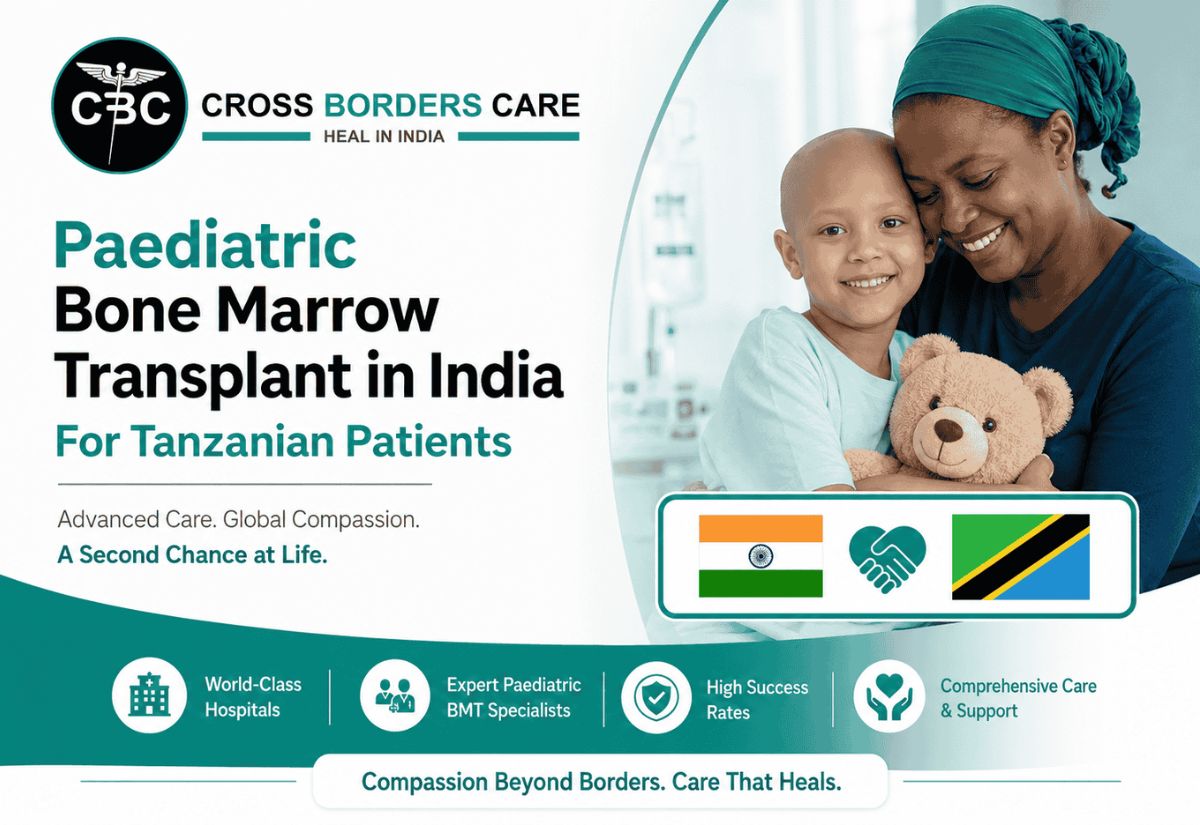
Paediatric Bone Marrow Transplant in India For Tanzanian Patients

When a child is diagnosed with leukaemia, thalassemia, aplastic anaemia, sickle cell disease, or another serious blood disorder, finding the right treatment becomes a family’s top priority. For many families from Tanzania, paediatric bone marrow transplant in India gives access to its experienced specialists, modern medical infrastructure, and affordable treatment costs.
Among India’s leading hospitals, Indraprastha Apollo Hospital in Delhi is known for offering paediatric stem cell transplantation treatment.

Indraprastha Apollo Hospital: A Leading Hospital for Paediatric Bone Marrow Transplant in India

Indrapratha Apollo Hospital, Delhi has established itself as one of the most trusted healthcare institutions for children requiring bone marrow and stem cell transplantation. The hospital’s paediatric transplant program is supported by a multidisciplinary team of paediatric haematologists, oncologists, transplant physicians, infectious disease specialists, critical care experts, and specially trained nursing staff.
The hospital provides comprehensive care from diagnosis and donor matching to transplantation and long-term recovery.
For families seeking the best paediatric bone marrow transplant surgery in India, Apollo Hospitals offers advanced treatment protocols and international standards of care.

Advanced Facilities at Apollo

One of the reasons Apollo Hospital is trusted by families from Tanzania is its world-class infrastructure designed specifically for complex stem cell transplant procedures.

Facilities include:

  • Dedicated Paediatric Bone Marrow Transplant Unit
  • Advanced HEPA-filtered isolation rooms
  • State-of-the-art Paediatric Intensive Care Units (PICU)
  • Advanced molecular diagnostics and genetic testing
  • Blood bank and stem cell collection services
  • Comprehensive infection control systems
  • 24/7 emergency and critical care support
  • International patient care and coordination services

These facilities help improve patient safety and support successful transplant outcomes.

Top Doctors for Paediatric Bone Marrow Transplant in India

For a child needing a bone marrow transplant, especially for thalassemia, aplastic anaemia, leukaemia, sickle cell disease, or immune deficiency disorders, Dr Gaurav Kharya at Apollo Delhi is generally considered among the strongest choices within the Apollo network and one of the leading pediatric BMT specialists in India.

Dr Gaurav kharya is a senior pediatric haematologist and BMT Specialist at Indraprastha Apollo Hospital, Delhi with more than 25 years of experience in pediatric blood disorders and bone marrow transplantation.

Widely recognised for treating:

  • Thalassemia Major
  • Sickle Cell Disease
  • Aplastic Anemia
  • Leemia
  • Primary Immunodeficiency Disorders
  • Pediatric Bone Marrow & Stem Cell Transplants uk

Has performed hundreds of pediatric transplants and is known for pioneering haploidentical (half-matched donor) transplants in children.

Types of Stem Cell Transplantation Available in India

The type of transplant recommended depends on the child’s diagnosis and donor availability.

Allogeneic Stem Cell Transplantation

In this procedure, stem cells are obtained from a compatible donor, often a sibling or a matched unrelated donor. Allogeneic stem cell transplantation in India is commonly used for leukaemia, thalassemia, and aplastic anaemia.

Autologous Stem Cell Transplantation

In an autologous transplant, the patient’s own stem cells are collected, stored, and reintroduced after intensive treatment. Autologous stem cell transplantation in India is used for selected cancers and blood disorders.

Hematopoietic Stem Cell Transplantation (HSCT)

Hematopoietic stem cell transplantation (HSCT) in India is one of the most advanced treatments available for children with blood cancers, inherited blood disorders, and immune system diseases. It involves replacing damaged bone marrow with healthy stem cells capable of producing normal blood cells.

Cost of Paediatric Bone Marrow Transplant in India

One of the main reasons families from Tanzania choose India is affordability. The Cost of Paediatric Bone Marrow Transplant in India depends on several factors:

  • Type of transplant required
  • Donor availability and matching
  • Child’s diagnosis and overall health condition
  • Length of hospital stay
  • Intensive care requirements
  • Post-transplant medications and monitoring

While costs vary from case to case, the Paediatric Bone Marrow Transplant Cost in India is generally significantly lower than treatment costs in many Western countries while maintaining high standards of care. You can contact Dr Nadeem Khan from Cross Border Care to know the exact cost.

How Cross-Border Care Supports Families from Tanzania?

Travelling abroad for a child’s treatment can be overwhelming. Cross Border Care, Medical consultants for bone marrow transplant in India, offer dedicated international patient support services to help families from Tanzania throughout their treatment journey.

Our Services include:

  • Online medical consultations
  • Treatment planning and cost estimates
  • Medical visa assistance
  • Airport transfers
  • Accommodation support
  • Dedicated international coordinators
  • Interpreter assistance when required
  • Post-treatment follow-up support
  • Discounted medicines

Conclusion

Whether you are looking for the best paediatric bone marrow transplant surgery in India, information about the Cost of Paediatric Bone Marrow Transplant in India, or expert care for hematopoietic stem cell transplantation in India, Cross Border care will help you get the best stem cell transplant treatment in India at a genuine cost.

Frequently Asked Questions

What is the Cost of a paediatric bone marrow transplant in India?

The cost depends on the type of transplant, donor requirements, hospital stay, and the child’s medical condition. A personalised treatment estimate is provided after medical evaluation. Cost of fully matched allogenic stem cell transplant at Indrapratha Apollo ranges between 30000 usd to 33000 usd whereas half matched transplant would cost you around 40000 usd.

What is Hematopoietic Stem Cell Transplantation (HSCT)?

HSCT is a procedure that replaces diseased or damaged bone marrow with healthy stem cells to treat blood cancers, blood disorders, and immune system diseases.

Is allogeneic stem cell transplantation available in India?

Yes. Apollo Hospital offers advanced allogeneic stem cell transplantation for children with leukaemia, thalassemia, aplastic anaemia, and other serious conditions.

Why do families from Tanzania choose India for paediatric stem cell transplantation?

India offers experienced specialists, advanced transplant facilities, international patient services, and cost-effective treatment options.

Which diseases can be treated with paediatric bone marrow transplant?

Bone marrow transplantation can be used to treat leukaemia, lymphoma, thalassemia major, aplastic anaemia, sickle cell disease, and certain inherited blood disorders.

Categories
Cancer tratment

Stem Cell Transplantation for Hodgkin Lymphoma: A Hope for Cameroon Patients in India

For many patients in Cameroon suffering from Hodgkin Lymphoma, finding advanced and affordable cancer treatment can feel overwhelming. When chemotherapy or radiation does not completely cure the disease, doctors may recommend Stem Cell Transplantation in India for Cameroon patients, also known as a Bone Marrow Transplant (BMT). India has become one of the most trusted destinations for this life-saving treatment, especially at Indraprastha Apollo Hospital and Apollo Proton Cancer Centre.

With the support of Cross Border Care and experienced international patient consultant Nadeem Khan, patients from Cameroon can receive complete assistance — from medical opinion and visa support to hospital admission and recovery planning.

What is Hodgkin Lymphoma?

Hodgkin Lymphoma is a cancer that begins in the lymphatic system, which is part of the body’s immune system. Common symptoms may include:

  • Swollen lymph nodes
  • Fever
  • Night sweats
  • Weight loss
  • Weakness and fatigue

Many Hodgkin Lymphoma patients respond well to chemotherapy and radiation therapy. However, in relapsed or recurrent cases, doctors may advise a stem cell transplant for better long-term survival.

What is Stem Cell Transplantation for Hodgkin Lymphoma?

Stem Cell Transplantation in India for Cameroon patients is a specialized treatment where damaged or cancerous bone marrow is replaced with healthy stem cells. In Hodgkin Lymphoma, doctors commonly perform an Autologous Stem Cell Transplant, where the patient’s own stem cells are collected, preserved, and later reintroduced after high-dose chemotherapy.

This treatment helps:

  • Destroy remaining cancer cells
  • Rebuild healthy bone marrow
  • Improve chances of long-term remission
  • Reduce the risk of relapse

Why Cameroon Patients Choose India for Stem Cell Transplant?

India is known for advanced cancer treatment, internationally trained oncologists, and affordable healthcare compared to many Western countries.

Cameroon patients choose India because of:

  • Advanced transplant technology
  • Experienced hematology and oncology teams
  • Affordable treatment packages
  • International patient support services
  • High success rates in lymphoma treatment

Indraprastha Apollo Hospital is the best hospital for Bone Marrow and Stem Cell Transplantation in India for Cameroon patients. The hospital performs different types of stem cell transplants including peripheral blood stem cell transplant and bone marrow transplant for Hodgkin and Non-Hodgkin lymphoma patients.

Best Doctors for Stem Cell Transplant in Apollo Hospital, Delhi

Cameroon patients can receive treatment under highly experienced specialists such as:

  • Dr. Jose M Easow
  • Dr. Gaurav Dixit

These specialists are experienced in treating relapsed Hodgkin Lymphoma using advanced stem cell transplantation techniques.

How Cross Border Care Helps Cameroon Patients

Traveling to another country for cancer treatment can be stressful. This is where Cross Border Care becomes a trusted medical travel partner for international patients.

Under the guidance of consultant Nadeem Khan, Cross Border Care helps patients from Cameroon with:

  • Online doctor consultation
  • Medical report review
  • Treatment planning
  • Visa invitation letters
  • Airport pickup
  • Hotel and accommodation support
  • Language and hospital coordination
  • Follow-up care after treatment

Their goal is to make the treatment journey smooth and stress-free for patients and families traveling from Cameroon to India.

Treatment Process for Cameroon Patients

1. Medical Evaluation
Doctors review biopsy reports, PET scans, blood tests, and previous treatment history.
2. Stem Cell Collection
Healthy stem cells are collected from the patient’s blood and safely preserved.
3. High-Dose Chemotherapy
Powerful chemotherapy is given to destroy lymphoma cells.
4. Stem Cell Infusion
Stored healthy stem cells are infused back into the patient’s body.
5. Recovery and Monitoring
Doctors monitor recovery carefully to rebuild immunity and prevent infection.

Cost of Stem Cell Transplant in India

The cost of Stem Cell Transplantation for Hodgkin Lymphoma in India is significantly lower compared to Europe or the United States. Even with international travel and accommodation, Cameroon patients often save a substantial amount while receiving world-class treatment

The final cost depends on:

  • Type of transplant
  • Patient condition
  • Hospital stay duration
  • Additional medications and investigations

Why Apollo Hospitals?

Apollo Proton Cancer Centre and Indraprastha Apollo Hospital are globally recognized for advanced cancer care and Bone Marrow Transplant programs. Apollo Hospitals have treated international patients from more than 140 countries and offer dedicated support services for overseas patients.

Conclusion

Stem Cell Transplantation in India for Cameroon patients offers new hope to Hodgkin Lymphoma patients who need advanced treatment after relapse or aggressive disease progression. For patients from Cameroon, India provides a combination of expert doctors, advanced technology, and affordable care.

With the support of Cross Border Care and Dr Nadeem Khan, patients can receive seamless assistance throughout their medical journey at Indraprastha Apollo Hospital in New Delhi. Early diagnosis and timely treatment can greatly improve recovery and survival outcomes for Hodgkin Lymphoma patients.

Book your consultation now.