Categories
corneal transplant

Top 5 Bone Marrow Transplant Doctors in India for Ethiopian Patients

When a patient in Ethiopia is diagnosed with conditions like leukemia, lymphoma, or thalassemia, one of the biggest challenges is access to advanced treatment like bone marrow transplant (BMT). Many families feel confused about where to go, which doctor to trust, and how to manage travel.

This is exactly why India has become a trusted destination—because of experienced doctors, advanced hospitals, and affordable treatment options. In this blog, we will guide you through the top 5 bone marrow transplant doctors in India for Ethiopians and  how we help African patients connect with them easily.

Dr. Shishir Seth – Indraprastha Apollo Hospital, New Delhi

Dr. Shishir Seth is one of the most trusted hematologists in India for Ethiopians with 20+ years of experience in bone marrow and stem cell transplant.

He specialises in:

  • Leukaemia and blood cancers
  • Stem cell transplantation
  • Complex hematological disorders

Apollo Hospitals is one of India’s most established healthcare groups, known for international patient care and advanced transplant units. Ethiopian patients prefer him because of experience + strong hospital support system

Dr. Rahul Bhargava – Fortis Memorial Research Institute

Dr. Rahul Bhargava is among the most experienced BMT specialists in India with 20+ years of experience and 1000+ bone marrow transplants performed.

Specialties:

  • Bone marrow transplant
  • Pediatric and adult blood disorders
  • Advanced stem cell therapy

Fortis is a top-tier hospital for stem cell transplant in India for Ethiopians with world-class infrastructure for transplant procedures.

Dr Harsh Dua-–Indraprastha Hospital, New Delhi

Designation – Medical Oncologist Education – MBBS degree from the University of Delhi in 1973. MD in Medicine from the University of Delhi in 1977.
Specialised training in Haematology/ oncology at University Hospital Queen’s Medical Centre Nottingham, England .Experience – 50+ years

Dr. Vinod Kumar Raina – Fortis Healthcare

Dr. Vinod Kumar Raina is a senior oncologist and hematology expert with 30+ years of experience.

Specialties:

  • Blood cancers
  • Chemotherapy and transplant support
  • Advanced oncology care

He has treated thousands of patients and is known for his clinical expertise in complex cancer cases.

Dr Pravas Kumar Mishra – BLK-Max Super Speciality Hospital

Dr. Pravas Kumar Mishra is an experienced hematologist specializing in:

  • Bone marrow transplant
  • Blood disorders and cancers
  • Advanced hematology treatments

BLK-Max Hospital is one of the leading centers in Delhi for bone marrow transplant with modern facilities.

Which Adult Patients Should Consult Which Bone Marrow Transplant Doctor


Condition (Adult Patients) Recommended Doctor Hospital Why This Doctor?
Adult leukemia (ALL, AML), lymphoma Dr. Shishir Seth Apollo Hospitals Strong expertise in adult bone marrow transplant and complex blood cancers
High-risk or relapsed blood cancer cases Dr. Rahul Bhargava Fortis Memorial Research Institute Extensive experience with 1000+ transplants and complex cases
Multiple myeloma / advanced hematology cases Dr. Pravas Kumar Mishra BLK-Max Super Speciality Hospital Specialized in advanced hematology and transplant techniques
Blood cancers with oncology complications Dr. Vinod Kumar Raina Fortis Healthcare 30+ years experience in oncology + hematology support
Patients needing second opinion or complex diagnosis Dr. Shishir Seth Apollo Hospitals Reliable for accurate diagnosis and treatment planning

Simple Guidance for Adult Patients from Cross Border Care

  • Newly diagnosed leukemia? → Dr. Shishir Seth
  • Relapse or complicated case? → Dr. Rahul Bhargava
  • Multiple myeloma / advanced blood disorder? → Dr. Pravas Mishra
  • Cancer + transplant combined case? → Dr. Vinod Kumar Raina

Important for Ethiopian Patients

Choosing the wrong doctor can delay treatment. That’s why we at Cross Border Care don’t randomly refer our international patients to anyone.
We:

  • Check your reports
  • Understand your condition
  • Then connect you with the right specialist for your exact case

Final Words

Stem Cell Transplant in India for Ethiopians is a critical treatment, and choosing the right doctor can make a big difference. With experienced specialists like Dr. Shishir Seth, Dr. Rahul Bhargava, and others, Ethiopian patients can access world-class care in India without unnecessary delays.

If you or your loved one needs treatment:

Contact us today. We will guide you personally and connect you with the right doctor—quickly and safely. Know More
Categories
corneal transplant corneal transplant

Best Leukaemia Treatment in India for Ethiopians

When Leukaemia is diagnosed, time becomes precious. Families in Ethiopia often search:

  • Where can we get the best leukaemia treatment in India?
  • Which hospital in India is safest for blood cancer?
  • How much will it cost?
  • How long do we need to stay?

For advanced blood cancer care, Indraprastha Apollo Hospital in Delhi stands among India’s leading centers for hematology and bone marrow transplant. With support by Cross Border Care, leading medical consultants in India, Ethiopian patients can receive the best bone marrow transplant in India. This guide will explain everything to you.

Why Choose Indraprastha Apollo Hospital Delhi?

Leukaemia treatment in India for Ethiopians is complex. It requires:

  • Experienced hematologist
  • Dedicated bone marrow transplant unit
  • Advanced ICU backup
  • Strict infection control
  • Multidisciplinary tumor board planning

Indraprastha Apollo Hospital in Delhi offers all of this under one roof.

For serious conditions like:

  • Acute Lymphoblastic Leukaemia (ALL)
  • Acute Myeloid Leukaemia (AML)
  • Chronic Myeloid Leukaemia (CML)
  • Chronic Lymphocytic Leukaemia (CLL)

Early and accurate treatment planning makes the biggest difference.

Best Doctor for Leukaemia at Apollo

One of the leading blood cancer doctor in India for Ethiopians is:

Dr. Dipanjan Panda : Senior Consultant – Hematology & Bone Marrow Transplant

Expertise includes:

  • High-risk acute leukaemia
  • Chronic leukaemia management
  • Stem cell & bone marrow transplantation
  • Complicated relapse cases

Treatment decisions are not made alone — Apollo’s tumor board reviews each case carefully before starting therapy.

Best Treatment Options for Leukaemia in India

Chemotherapy

Chemo is the main treatment for acute leukaemia. Given in cycles. Requires hospital admission during the first phase.

Targeted Therapy

Special medicines for genetic-specific types like CML. Often oral tablets with regular monitoring.

Immunotherapy

Boosts immune response against cancer cells.

Bone Marrow Transplant (BMT)

Recommended in high-risk or relapsed cases. Indraprastha Apollo Hospital in Delhi has a specialized transplant unit with infection-controlled rooms.

How Many Days Will Ethiopian Patients Stay in India?

Length of stay depends on disease type.

Treatment Type Hospital Stay Total Stay in India
Chemotherapy Cycle 2–3 weeks
Full Acute Leukemia Work Up One week
Bone Marrow Transplant One Month Hospital Stay
Follow-up Visit Three weeks Three Months

Acute cases require longer first admission because doctors monitor blood counts closely.

Cost of Leukaemia Treatment in India

The cost of leukemia treatment in India for Ethiopians depends on stage, complications, and treatment type.

Chemotherapy (per cycle) $1,000 – $15,00
Work Up $ 1,500 – $2,000
Targeted Therapy (monthly) $1,500 – $3,000
Bone Marrow Transplant $30,000 – $35,000
ICU (if required) Additional

Compared to many other countries, India offers advanced treatment at significantly lower cost while maintaining international standards. Exact estimate will be provided to you once you send us your reports.

Travel Guide for Ethiopian Patients

Medical Visa

  • Hospital invitation letter provided
  • Visa documentation support
  • Fast processing in most cases

Flight

Addis Ababa to Delhi: Approx. 6–7 hours direct.

Airport Pickup

Arranged by Cross Border Care team.

Living Expenses in Delhi

Expense Approximate Monthly Cost
Budget Accommodation $400 – $6,00
Serviced Apartment $7,00 – $1,000
Food & Daily Expenses $50

For transplant patients, special hygienic food and a low-infection diet will be arranged by the Cross Border Care team.

What Cross Border Care Does at Every Step

This is where coordination makes the real difference.

Stage Cross Border Care Support
Before Travel Collect reports & get doctor opinion
Consultation Arrange online video meeting
Cost Planning Share transparent estimate
Visa Documentation assistance
Arrival Airport pickup & admission
During Treatment Daily coordination & language help
After Discharge Follow-up planning

Families are never left alone to manage hospital systems.

After Returning to Ethiopia

Most follow-ups with your doctor at Apollo can be done online. We will help you with:

  • Digital report sharing
  • Video consultations
  • Medication adjustments

Only critical procedures require travel again.

Why Ethiopian Families Choose Treatment Apollo Through Cross Border Care

✔ No waiting time
✔ Everything is arranged in advance
✔ International patient support unit
✔ Transparent cost planning
✔ Complete travel coordination

Leukaemia treatment in India for Ethiopians demands precision, safety, and strong medical infrastructure. Apollo Delhi provides that foundation. Cross Border Care and team ensures the journey is smooth and organized at every step.

Categories
Cancer tratment corneal transplant

Bone Cancer Treatment For Ethiopian Patients in India

Indraprastha Apollo Hospital, New Delhi is one of the best hospitals for bone cancer treatment in India for Ethiopians. International patients seeking world-class oncology care, Apollo Delhi offers a structured, transparent, and well-supported treatment journey — from online consultation to long-term follow-up care.
This guide explains how Ethiopian patients can contact Apollo Delhi, start treatment, stay in India, and manage follow-ups or relapse care, step by step.

Bone cancer Treatment in India: Why Apollo Is the Number One Choice?

Ethiopian patients prefer Indraprastha Apollo Hospital because it offers:

  • Experienced Orthopedic Oncology doctor
  • Advanced limb-salvage bone cancer surgery
  • Modern chemotherapy & radiation therapy units
  • NABH & JCI-accredited international standards
  • Dedicated International Patient Services
  • Affordable and transparent bone cancer cost in India

Apollo Delhi treats patients from Africa, Middle East, and Europe every year with personalized cancer care.

Steps to Get Bone Cancer Treatment at Indraprastha Apollo Hospital India

Step 1: How Ethiopian Patients Can Contact Apollo Delhi

Ethiopian patients can start their treatment journey without traveling to India first.

Ways to Contact Apollo Delhi:

What to Share:

  • Diagnosis details
  • Medical reports (X-ray, MRI, biopsy, PET-CT if available)
  • Brief medical history

We will share your report with Dr Sameer Kaul, senior oncologist in India at Apollo, review reports and schedule a video consultation with the appropriate cancer specialist.

Step 2: Online Consultation & Treatment Planning

During the online consultation, Dr Sameer Kaul and Dr Nadeem Khan, director at Cross Border Care, will explain:

  • Type and stage of bone cancer
  • Whether surgery is required
  • Need for chemotherapy or radiation
  • Estimated treatment duration
  • Approximate treatment cost

This helps Ethiopian patients plan travel, budget, and stay in advance.

Step 3: Bone Cancer Treatment at Apollo Hospital Delhi – How It Works

Bone cancer treatment in India for Ethiopians at Apollo Delhi follows a multidisciplinary approach, involving:

  • Orthopedic Onco Surgeon
  • Medical Oncologist
  • Radiation Oncologist
  • Pathology & Imaging experts

Common Treatment Options:

  • Bone Cancer Surgery
    Tumor removal
    Limb-salvage surgery (preferred whenever possible)
  • Chemotherapy
    Before or after surgery
  • Radiation Therapy
    In selected cases
  • Targeted Therapy / Immunotherapy
    For advanced or recurrent cases

Each treatment plan is customized based on the patient’s condition. We will explain the entire treatment course to you after reviewing your reports

Step 4: Medical Visa, Travel & Arrival in Delhi

Once treatment is confirmed:

  • Apollo hospital issues a Medical Invitation Letter
  • Patient applies for an Indian Medical Visa
  • One attendant can apply for a Medical Attendant Visa

On arrival in Delhi:

  • Airport pickup will be arranged by Cross Border Care
  • Patient is taken to accommodation near by or hospital by us
  • Initial tests are completed within 24–48 hours

Step 5: Stay, Food & Daily Support for Ethiopian Patients

Accommodation Options Near Apollo Delhi:

  • Hospital guest houses
  • Serviced apartments
  • Budget hotels close to the hospital

Food:

  • Hospital diet during admission
  • External meal services available
  • African-friendly or custom meals can be arranged on request by Cross Border care and team

Attendant Support:

  • One attendant can stay with the patient
  • Same accommodation is arranged by us

Apollo’s International Patient team, Bone Cancer Specialists in India for Ethiopians along with Dr Nadeem Khan assists with daily appointments, billing, and coordination.

Step 6: Bone Cancer Treatment Cost at Apollo Hospital Delhi

Approximate cost range (USD):

Treatment Component Estimated Cost
Diagnostic tests $800 – $1,500
Bone cancer surgery $6,000 – $12,000
Chemotherapy $3,000 – $6,000
Radiation therapy $5,000 – $7,000
Total Estimated Cost $15,000 – $18,000


Costs depend on cancer stage, treatment type, and hospital stay duration. We will help you with valid discounts and Dr Nadeem Khan will explain everything about it as the treatment proceeds.

Step 7: Discharge, Recovery & Return to Ethiopia

After treatment completion in 3 to 4 months:

  • Patient receives discharge summary
  • Medicines & recovery guidelines are explained
  • Online follow-up schedule is shared by Dr Sameer Kaul

Most Ethiopian patients can return home safely once doctors approve travel.

Step 8: Follow-Ups After Returning to Ethiopia

Indraprastha Apollo Hospital Delhi offers online follow-up consultations, so patients do not need to travel frequently.

Follow-Ups Include:

  • Report review
  • Medicine adjustments
  • Symptom monitoring
  • Lifestyle & rehabilitation advice

Reports can be shared via email or WhatsApp with Dr Nadeem Khan for further support.

What If Cancer Relapses or Further Treatment Is Needed?

If there is a relapse or complication:

  1. Patient can share latest reports with Cross Border Care online
    2. Apollo oncology team will review the case
    3. Doctors advise:
  • Change in medicines
  • Additional chemotherapy
  • Or re-travel to India if required

If re-travel is needed, we will again assist with:

  • Medical invitation letter
  • Visa support
  • Fast appointment scheduling

This ensures continuity of care, even across borders.

How Cross-Border Care Helps Ethiopian Patients

Our coordinators will work alongside Apollo to:

  • Speed up appointments
  • Simplify communication
  • Manage travel & stay
  • Support follow-ups after return

This makes the entire treatment journey smooth, guided, and stress-free.

Conclusion

Indraprastha Apollo Hospital, New Delhi offers Ethiopian patients a complete bone cancer treatment ecosystem — advanced medical care, international standards, and long-term follow-up support.
From first online consultation to recovery and future care, Cross Border Care in partnership with Indraprastha Apollo Delhi Hospital ensures that Ethiopian patients receive trusted, transparent, and compassionate cancer treatment in India.

Categories
Brain Surgery

Life After Prostate Cancer

Have you ever imagined what life would be like after your prostate cancer treatment? There are moments in life that divide everything into ‘before’ and ‘after.’ Hearing the word cancer is one of them. Prostate Cancer Treatment in India is a ray of hope for men dealing with this situation.

For many men in India, a prostate cancer diagnosis is not just a health crisis—it’s a deeply personal journey that touches every corner of life: the body, the mind, the family, and even the soul. The treatment brings its battles—surgery, radiation, medicines, side effects—but what comes after is often the most unspoken chapter: learning how to live again.

Life after prostate cancer is not about going back to how things were. It’s about slowly, painfully, and beautifully discovering who you are now. It’s about waking up each day with a quieter strength, a deeper gratitude, and a new understanding of time—not as something to chase, but as something to cherish. y
At Cross Border Care, the best medical consultants in India, we work with you to provide comprehensive cancer support. We are here to help you navigate life after prostate cancer—physically, emotionally, and mentally—so you never have to face it alone. The success of the treatment depends on how easily you learn to manage the symptoms.

Follow-up Care After Prostate Cancer Treatment in India

Even if you have completed the treatment, your uro-onco surgeon will watch you closely. You must attend your follow-up appointments. During this time, the doctors do lab tests to look for any relapse of cancer.
The treatments can cause side effects that may last for a long time. These doctor visits will help you navigate these challenges, and you must also tell your oncologist in India about any symptoms you face after the treatment.

  • During your follow-up visits during prostate cancer treatment in India, your doctor will order blood tests and digital rectal exams if your prostate has not been removed.
  • The number of follow-up visits will depend on the stage of your cancer.
  • Men who have completed prostate cancer treatment in Delhi will have to undergo a PSA test every 6 months.
  • If you are still on hormone therapy, the testing will be done quite often.

Prostate cancer can recur after many years of treatment, and that is why it is important to attend regular follow-up visits at prostate cancer hospitals in India.

Get a Survivorship Care Plan

Ask your prostate cancer doctor in India for a care plan that includes:

  • A summary of your treatment
  • Schedule for future checkups and tests
  • Tests for possible long-term side effects or other cancers
  • Signs to watch out for
  • Tips to stay healthy and reduce the risk of recurrence
  • Advice on keeping insurance and saving your medical records

Can You Lower the Risk of Cancer Coming Back?

Yes, there are steps you can take to stay healthier and possibly reduce the risk of recurrence:

  • Stay Active Regular exercise may lower your risk. The more consistent and intense, the better.
    • Quit Smoking Smoking increases the chance of recurrence. Quitting helps — not just for cancer, but your overall health.
    • Eat Well Choose a diet rich in fruits, vegetables, and whole grains. Cut back on red meat, fatty foods, and added sugars.

What if cancer comes back?

If your prostate cancer comes back at some point, then your treatment options will depend on the location of the cancer and your previous treatment. Your treatment options could include radiation therapy or hormone therapy. Chemotherapy can also be used in certain cases.

Emotional Support After Prostate cancer Treatment in India

Depression, anxiety, and worry can take over your life if you are diagnosed with cancer. Some men are more affected by others who are the sole breadwinners of their families. But you can benefit from support groups and the emotional support of family and friends. If you need professional counselors for the same, we are here for you.

Sexuality, Body Image & Recovery After Prostate Cancer

Prostate cancer cost treatment in India can affect sexual function and how you feel about your body. This is a deeply personal journey, and every man’s experience is different. It’s normal to face emotional and physical challenges during recovery.

Bladder or Bowel Changes After Treatment

Some men experience bladder or bowel issues after prostate cancer treatment. These may include:

  • Urinary incontinence or urgency
  • Bowel discomfort or difficulty

For many, these symptoms improve with time. For others, long-term support or treatment may be needed. Cross Border Care connects you with top prostate cancer doctors in India in post-treatment rehabilitation, pelvic floor therapy, and urology.

How Cross-Border Care Supports International Patients

As a trusted medical consultancy in India, we offer:

  • Personalized treatment coordination with top hospitals and doctors
  • Cost-effective, quality-assured treatment
  • Arranging a 10% discount for all our patients
  • Second opinions and treatment planning
  • Language support and patient care advisors
  • Assistance with travel, visa, and stay arrangements
  • Ongoing care even after you return home

You’re not alone on this journey

With Cross Border Care, you get access to India’s best medical expertise—delivered with compassion, confidentiality, and complete support.

Categories
corneal transplant

Is Your Lung Cancer Treatment in India Working? Key Signs to Know

The treatment of lung cancer in India involves surgery, chemotherapy, radiation therapy, immunotherapy, and targeted therapy. More often, surgery is the first line of treatment, which removes cancerous tumors from the lungs and also the nearby lymph nodes. 

Every treatment of lung cancer has its pros and cons. Oncologists in India decide which treatment option will work for you and which treatment can bring you the best possible outcomes. Every lung cancer patient is different and therefore only experienced lung cancer oncologists in indian can tell if your lung cancer treatment is working or not. 

Here are some signs that will show you that your lung cancer treatment in India is going in the right direction. 

Lung Cancer Treatment in India: Signs that Show Your Treatment is Working

Improved Breathing

Difficulty breathing is a common symptom and complication of lung cancer. If you notice a reduction in shortness of breath or a smoother breathing pattern without a sense of obstruction, it could be a positive sign that your treatment is taking effect.

Reduced or No Pain

Pain, particularly in the chest area, is often associated with lung cancer. A noticeable reduction in pain may indicate that the tumor is shrinking or that the cancer is becoming less aggressive. If you’re experiencing less discomfort, it’s a hopeful sign that the treatment is working. For specialized care, you can consult the best lung cancer hospital in India.

Increased Energy Levels

Both cancer and its treatments can cause significant fatigue. As your body begins to respond well to treatment, you may start to feel more energetic and able to perform daily activities with greater ease. This improvement in stamina is a positive indicator of your recovery.

Better Blood Test Results


Blood tests play a vital role in monitoring how your body is responding to lung cancer treatment in India. Stabilized or improved levels of blood cells and tumor markers suggest that the therapy may be effective, and your body is handling it well.

Encouraging Feedback from Your Oncologist

Regular checkups and diagnostic tests are essential to track your progress. Your cancer care team will closely monitor your condition and provide updates. Positive feedback and test results from your lung cancer doctor in India are reliable signs that your treatment plan is on the right track.

Weight Stabilization

Unintended weight loss is a common sign for lung cancer. If you start seeing improvement in weight, then this is a sign that your body is responding well to the treatment. 

Reduced Symptoms 

Lung cancer symptoms are : 

  • Persistent cough
  • Chest pain
  • Hoarseness
  • Coughing up blood 
  • Fatigue
  • Loss of appetite 
  • Infections 

When these symptoms reduce, it is a sign that your lung cancer treatment is working. 

Prolonged Survival 

Effective lung cancer treatment in India means better survival. To keep your health in good condition after lung cancer treatment, we recommend you live a healthy lifestyle and go for routine check-ups. 

Who is the best lung cancer doctor in India? 

Dr. Harit Chaturvedi– Max Institute of Cancer Care, Delhi NCR

Dr Harit has over 3 decades of experience in surgical oncology and provides the best surgical lung cancer treatment in India. He leads the oncology department at Max Healthcare and has performed numerous lung cancer surgeries. Contact Cross Border Care today to get in touch with Dr Harit Chaturvedi!!!

Contact Cross Border Care Today 

If you or a loved one is seeking world-class lung cancer treatment in DelhiCross Border Care is your trusted medical partner. We specialize in connecting international patients with top oncologists, accredited hospitals, and personalized treatment plans—all while ensuring a smooth, stress-free healthcare journey.

India is home to some of the best cancer specialists and advanced treatment options, including surgery, chemotherapy, radiation therapy, and targeted therapies. But navigating this process alone, especially from another country, can be overwhelming. That’s where Cross Border Care steps in.

We help arrange everything—from your initial medical consultation to hospital appointments, travel assistance, accommodation, translation services, and follow-up care. With us, you’re not just getting treatment; you’re gaining a compassionate support system.

Our network includes leading experts like Dr. Harit Chaturvedi, one of India’s most experienced lung cancer surgeons, based at Max Institute of Cancer Care, Delhi NCR.

So don’t wait. Let Cross Border Care guide your path to better health and recovery.

Contact us today and take the first step toward trusted, world-class lung cancer and bone cancer treatment Cost in India.

Categories
corneal transplant

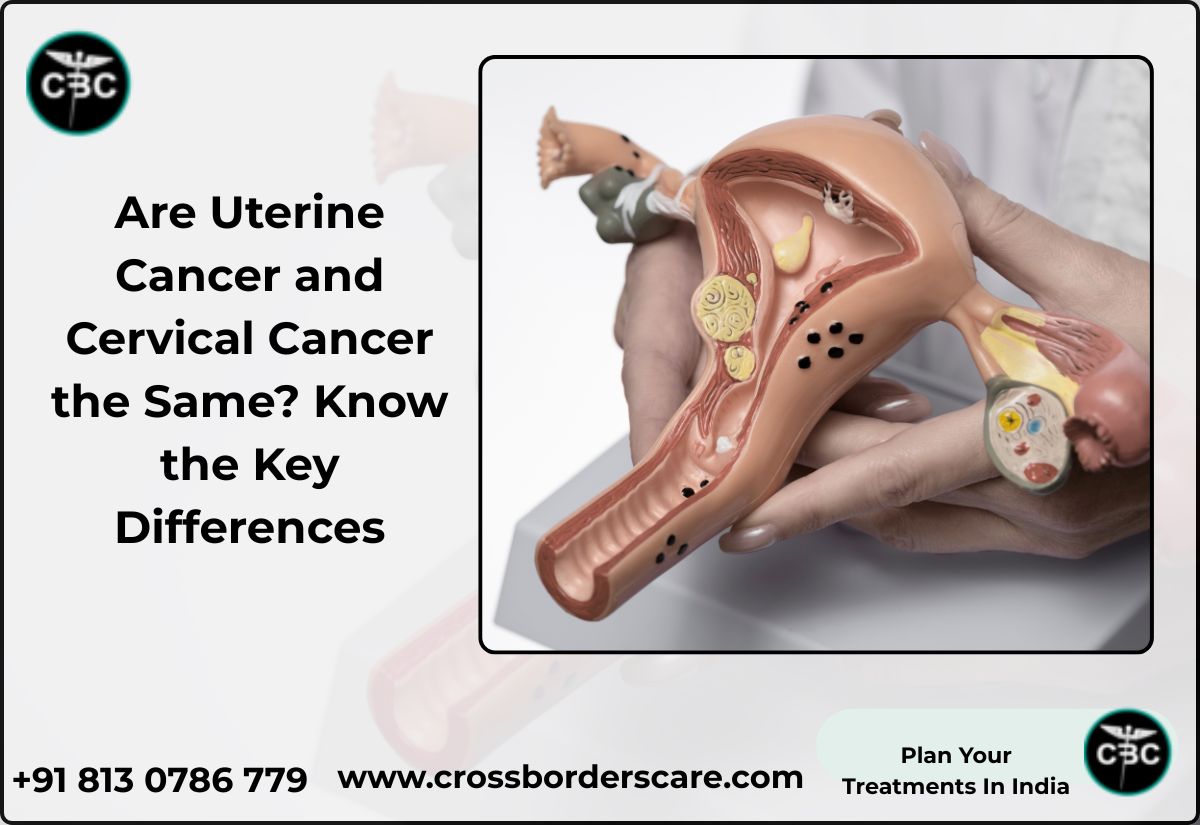
Are Uterine Cancer and Cervical Cancer the Same? Know the Key Differences

When it comes to women’s cancer care in India, two of the most commonly misunderstood types are uterine cancer and cervical cancer. Though both occur in the female reproductive system, they are not the same. These two cancers differ in their origin, symptoms, risk factors, diagnostic methods, and treatment approaches. Understanding their distinctions is critical for early detection, accurate diagnosis, and effective cancer treatment in India.
As your trusted partner in healthcare, Cross Border Care, India’s best medical consultant, brings you clarity on this crucial topic so you can make informed decisions for yourself or your loved ones.

Uterine Cancer Vs Cervical Cancer

Origin
Uterine Cancer (Endometrial Cancer):

Uterine cancer originates in the endometrium, the inner lining of the uterus. This lining thickens monthly in preparation for pregnancy and sheds during menstruation. Abnormal cell growth in this lining leads to uterine cancer. Contact us today for uterine cancer treatment in India.

Cervical Cancer:

Cervical cancer begins in the cervix, the lower part of the uterus that connects to the vagina. It usually develops from persistent infection with high-risk human papillomavirus (HPV). The transformation zone of the cervix, where two types of cells meet, is where cervical cancer typically starts.

Recognizing the Symptoms
Though some symptoms overlap, knowing what to look for can guide early diagnosis and improve outcomes for cancer treatment in India.

Symptoms of Uterine Cancer:

  • Unusual vaginal bleeding, especially after menopause
  • Bleeding between periods
  • Pelvic pain
  • Unexplained weight loss

Symptoms of Cervical Cancer:

  • Abnormal bleeding after intercourse or menopause
  • Watery or bloody vaginal discharge
  • Pain during sex
  • Pelvic discomfort

The best oncologists in India emphasize that being alert to these warning signs and seeking medical evaluation early can lead to a timely diagnosis and better prognosis.

Understanding Risk Factors

While both cancers share some risk factors, there are unique contributors to each:

Cervical Cancer Uterine Cancer
HPV infection Obesity
Multiple sexual partners  Hormone replacement therapy
Smoking Older age/postmenopause
Weakened immunity Family history of uterine cancer

Preventive steps like HPV vaccination, safe sexual practices, and maintaining a healthy weight can reduce the risk of both.

How Are They Diagnosed?

Cervical Cancer Diagnosis:

  • Pap Smear: Detects abnormal cervical cells before they become cancerous.
  • HPV Testing: Identifies high-risk strains of HPV.
  • Colposcopy and Biopsy: Provides a closer look at the cervix and confirms the diagnosis.

Uterine Cancer Diagnosis:

  • Endometrial Biopsy: Collects tissue from the uterine lining for testing.
  • Transvaginal Ultrasound: Measures endometrial thickness.
  • Dilation and Curettage (D&C): Samples more tissue if needed.

Regular screenings and early check-ups at leading cancer hospitals in India can make a significant difference in outcomes.

Treatment Options in India

Uterine Cancer Treatment in India

  • Surgery (Hysterectomy): Surgical removal of the uterus is the most common and effective treatment for early-stage uterine cancer.
  • Radiation Therapy: High-energy rays are used to destroy cancer cells or shrink tumors in the pelvic region.
  • Chemotherapy: Cancer-killing drugs are administered to treat advanced or recurrent uterine cancer.
  • Hormone Therapy: Medications are used to block hormones that fuel the growth of certain uterine cancers.

Cervical Cancer Treatment in India

  • Surgery (e.g., cone biopsy, trachelectomy): Surgical options remove cancerous tissue and preserve fertility in early-stage cervical cancer.
  • Radiation and Chemotherapy: Often used together to treat locally advanced cervical cancer or after surgery to prevent recurrence.
  • Targeted Therapy: Advanced drugs target specific cancer cells without harming surrounding healthy tissue.
  • Stage-Based Approach: Early stages may only need surgery, while later stages require a combination of treatments for effective results.

Prognosis and Prevention
Uterine Cancer Prognosis:

If diagnosed early, the five-year survival rate is about 80–90%. The chances decline in advanced stages.

Cervical Cancer Prognosis:

Early detection has a cure rate of over 90%, but late-stage diagnosis can be challenging to treat effectively.

Preventive Tips:

  • For Uterine Cancer: Maintain a healthy weight, control diabetes, and manage hormones wisely.
  • For Cervical Cancer: Get vaccinated for HPV and go for routine Pap smears and HPV tests.

Consult Cross Border Care Today

If you’re searching for expert care in gynecologic cancers, look no further than Cross Border Care, the best medical consultants in India. We will connect you to top cancer treatment hospitals in India. If you want affordable cancer treatment in India, contact us now!!

Categories
Brain Surgery

Tetralogy of Fallot (TOF) Surgery in India vs. Bangladesh: A Comparative Analysis

Tetralogy of Fallot (TOF) is a congenital heart defect that requires surgical intervention. Both India and Bangladesh offer medical facilities for TOF surgery, each with its own set of hospitals, specialists, and cost structures. This comparative analysis aims to provide a detailed overview of TOF surgery in both countries, focusing on hospitals, doctors, and associated costs.

Understanding Tetralogy of Fallot Surgery  in India (TOF)

TOF is a rare but serious congenital heart defect characterized by four anatomical abnormalities in the heart:

  1. Pulmonary stenosis – Narrowing of the pulmonary valve reduces blood flow to the lungs.
  2. Ventricular septal defect (VSD) – A hole between the heart’s ventricles allows oxygen-poor and oxygen-rich blood to mix.
  3. Overriding aorta – The aorta is positioned over both ventricles instead of just the left ventricle, leading to mixed oxygenated and deoxygenated blood.
  4. Right ventricular hypertrophy – Thickening of the right ventricle’s wall due to increased workload.

TOF Surgery in India is the only definitive treatment, typically performed in infancy or early childhood, though in some cases, it may be delayed until later in life.

TOF Surgery in India: Restoring Little Hearts, Transforming Lives 

India has established itself as a global hub for complex cardiac surgeries, including TOF repairs. With world-class infrastructure, internationally trained surgeons, and cost-effective treatments, India attracts numerous international patients seeking pediatric cardiac care.

Top Hospitals for TOF Surgery in India

Top Hospital in India Notable Surgeon 

Cost of TOF Surgery in India

The cost of TOF surgery in India varies depending on the hospital, the surgeon’s experience, and the complexity of the case.

Hospital Category Estimated Cost (USD)
Government Hospitals $2,000 – $4,000
Private Hospitals $3,800 – $8,500
Premium Hospitals $10,000+

Why Choose India for TOF Surgery?

  • Highly Experienced Surgeons: Many Indian cardiac surgeons have trained internationally.
  • Affordable Treatment: Costs are significantly lower compared to Western countries.
  • Advanced Technology: Hospitals are equipped with state-of-the-art technology and infrastructure. 
  • High Success Rates: The success rate of TOF surgery in India is over 95% in infants.
  • Medical Tourism Facilities: Many hospitals offer international patient support, including visa assistance and accommodation.

TOF Surgery in Bangladesh

Bangladesh has seen significant progress in its healthcare sector over the last decade. Several hospitals in Dhaka and other major cities now offer TOF surgery in Bangladesh but with less competent surgeons and few improved facilities.

Top Hospitals for TOF Surgery in Bangladesh

Hospital Name  Notable Surgeon
Square Hospital  Dr. Md. Akhtanur Rahman Joarder
Ibrahim Cardiac Hospital Dr Sahela NASRIN
Ship International Hospita Dr NA Kamrul

Cost of TOF Surgery in Bangladesh

The cost of TOF surgery in Bangladesh varies based on the hospital category and associated medical expenses.

Hospital Category Estimated Cost (USD)
Government Hospitals $2,000 – $3,500
Private Hospitals $3,500 – $8,000
Premium Hospitals $9,000+

India vs. Bangladesh: A Direct Comparison

Factor India Bangladesh
Hospital Infrastructure World-class facilities, JCI-accredited hospitals Developing hospitals with improving facilities
Surgeon Expertise Many internationally trained cardiac surgeons Growing expertise with local training
Cost of Surgery $3,800 – $8,500 on average $3,500 – $8,000 on average
Success Rate 95%+ 85-90%
Availability of Advanced Technology Robotic surgery, ECMO, advanced ICU care Basic to moderate-level ICU facilities
Medical Tourism Facilities Visa assistance, translator services, international patient support Limited support for international patients
Government Schemes & Aid Ayushman Bharat & other schemes for financial aid Limited financial support programs

Challenges & Considerations

While both countries provide TOF surgery, there are challenges associated with each:

Challenges in India

  • High demand leads to long waiting times at government hospitals but not in private hospitals.
  • Premium hospitals may be expensive for international patients without medical insurance.
  • Visa processing for medical tourists can be time-consuming, but Cross border Care makes it easy for you. 

Challenges in Bangladesh

  • Limited expertise and availability of pediatric cardiac surgeons compared to India.
  • Fewer hospitals specialize in complex TOF cases.
  • Limited government support for advanced cardiac care.

Final Verdict: Which Country is Better for TOF Surgery?

If cost is the primary concern and the patient is based in Bangladesh, undergoing surgery locally might be a feasible option. However, if the priority is top-tier medical expertise, advanced technology, and a higher success rate, India emerges as the better choice.

For Bangladeshi patients seeking better outcomes, traveling to India for TOF surgery remains a preferred option, especially considering the affordability and quality of care. Indian hospitals also provide comprehensive post-operative care, reducing the risk of complications.

Conclusion

Tetralogy of Fallot is a serious congenital condition that requires timely intervention. Both India and Bangladesh offer TOF surgery, but India stands out in terms of infrastructure, surgeon expertise, and overall success rates. Patients from Bangladesh often travel to India for superior medical care, leveraging India’s advanced healthcare ecosystem. While Bangladesh is making strides in pediatric cardiac care, India remains the preferred destination for complex heart surgeries like TOF.

For international patients seeking the best medical care, India remains a top destination for advanced treatments, skilled specialists, and world-class healthcare facilities. With seamless support by CRoss-border Care, patients can access cutting-edge medical solutions, ensuring better outcomes and a higher quality of life.

Categories
Brain Surgery

Brain Tumor Surgery: A Comparison Between India and Bangladesh

Brain tumor surgery in India is a critical medical procedure that requires expert medical professionals, cutting-edge technology, and well-equipped hospital infrastructure. When patients need such surgeries, many turn to international healthcare options for high-quality, affordable care.

 In South Asia, two prominent countries offering specialized brain tumor treatments are India and Bangladesh. Both countries have made significant advancements in the medical field, but there are notable differences in terms of cost, expertise, healthcare infrastructure, and patient care services.

This blog will explore and compare brain tumor surgery in India versus Bangladesh, touching on various key aspects, including treatment costs, hospitals, doctors, and overall patient experience. We will also examine why international patients should consider using Cross Border Care, India’s best medical treatment consultancy, to access the best medical treatment.

Cost of Brain Tumor Surgery in India vs Bangladesh

Cost is one of the most critical factors for international patients seeking medical treatment abroad. Both India and Bangladesh offer affordable healthcare options, but there are price variations that are worth considering.

Country  Cost  Factors Influencing the Cost
India  $5,500 – $105,00 Type of tumor (benign/malignant), surgical approach (e.g., craniotomy), post-surgery care, hospital location
Bangladesh  $4,500 – $5,000 Hospital location, medical infrastructure, surgeon expertise, post-operative care

India has earned a reputation for providing world-class healthcare at a fraction of the cost of Western countries. Its healthcare system is well-equipped with advanced medical brain tumor surgeries and highly skilled neurosurgeons, making it a popular destination for international patients seeking affordable treatment.

Despite being more affordable, the quality of care in Bangladesh can differ across different hospitals, as some medical facilities may not have the same level of infrastructure and expertise as top hospitals in India.

Doctors For Brain Tumor Surgery India Vs. Bangladesh

India: Highly Skilled and Globally Trained Neurosurgeons

India is home to some of the world’s most renowned neurosurgeons, many of whom have trained at leading institutions in the US, UK, and Australia. These surgeons specialize in complex brain tumor surgeries and use advanced techniques such as CyberKnife, ZAP-X radiosurgery, robotic neurosurgery, and minimally invasive craniotomies.

Some of the top neurosurgeons in India include:

    • Dr. Bipin Walia (Max Super Speciality Hospital, New Delhi) – Over 26 years of experience, Principal Director & Head of Neurosurgery.
    • Dr. Sudheer Kumar Tyagi (Indraprastha Apollo Hospital) – 24+ years of expertise in neurosurgery.
    • Dr. Rana Patir (Fortis Memorial Research Institute, Gurugram) – Consultant Neurosurgeon with 26+ years of experience.

  • Dr. VP Singh (Medanta the Medicity) – 33+ years of experience, Chairman of Neurosurgery.

Bangladesh: Limited but Capable Neurosurgical Expertise

Bangladesh has skilled neurosurgeons but fewer internationally trained specialists. While some hospitals offer neurosurgical care, the selection of highly specialized experts is more limited than in India. Some notable neurosurgeons in Bangladesh include:

  • Dr. M.A. Hannan (BIRDEM General Hospital, Dhaka) – Experienced neurosurgeon in Bangladesh.
  • Dr. Zubair Ahmad (Evercare Hospital, Dhaka) – Known for neurosurgical expertise in brain tumor treatment.

Final Verdict

India remains the top choice for patients seeking world-class neurosurgical care with experienced, internationally trained specialists. However, Bangladesh offers affordable treatment but fewer highly specialized doctors, making it a cost-effective alternative with accessible neurosurgical care.

Hospitals and Infrastructure India vs Bangladesh 

Brain Tumor Hospitals in India 

India is home to some of the most advanced hospitals specializing in brain tumor surgery. These hospitals are equipped with cutting-edge technology, internationally trained neurosurgeons, and world-class post-surgical care. They offer specialized procedures such as:

  • CyberKnife Treatment – Robotic radiosurgery for brain tumors.
  • Zap-X Radiosurgery – The latest innovation in non-invasive brain tumor treatment.
  • Stereotactic Radiosurgery – High-precision radiation therapy for brain tumors.
  • Craniotomy – Standard brain tumor removal surgery.
  • Endovascular Embolization – A minimally invasive procedure for tumor-related vascular issues.
  • Awake Brain Surgery – Performed while the patient is awake to preserve critical brain functions.

Top hospitals in India for brain tumor surgery:

  • Max Super Speciality Hospital, New Delhi – Expert neurosurgeons and advanced surgical technology.
  • Fortis Memorial Research Institute, Gurugram – JCI-accredited with CyberKnife technology.
  • Medanta The Medicity – Offers Gamma Knife and stereotactic radiosurgery
  • Apollo Hospitals – Pioneers in neurosurgical innovations like Zap X
  • Artemis Hospital, Gurugram – Specializes in CyberKnife, minimally invasive neurosurgery.

Hospitals in Bangladesh:  Only Basic Brain Tumor Surgery Options

Bangladesh has made progress in neurosurgical care, but hospitals still face limitations in technology and expertise compared to India. Brain tumor surgeries are primarily limited to traditional craniotomy procedures

Top hospitals in Bangladesh for brain tumor surgery:

  •  Evercare Hospital, Dhaka – One of the best private hospitals with neurosurgical expertise.
  • Square Hospital, Dhaka – Offers neurosurgery with good post-op care.
  •  BIRDEM General Hospital – Provides treatment for neurological disorders, including tumors.

Final Verdict

  • Suppose a patient requires advanced treatment options such as Gamma Knife, CyberKnife, or stereotactic radiosurgery. In that caseIndia is the best choice due to its cutting-edge technology, specialized surgeons, and international-standard hospitals.
  • Bangladesh provides affordable brain tumor surgery but lacks access to highly specialized treatments available in India.

Technology Available India Vs. Bangladesh 

Comparison of Brain Tumor Surgery Technology in India vs. Bangladesh

Technology India Bangladesh
CyberKnife Radiosurgery ✅ Available in hospitals like Artemis,  ❌ Not available
Zap-X Radiosurgery ✅ Cutting-edge technology only available at Indraprastha Apollo Hospitals , New Delhi  ❌ Not available
Stereotactic Radiosurgery (SRS) ✅ Advanced SRS options available ❌ Limited access
Craniotomy ✅ Standard procedure in all major hospitals ✅ Available in leading hospitals
Endovascular Embolization ✅ Advanced embolization procedures performed for vascular tumors ❌ Limited availability
Awake Brain Surgery ✅ Performed in specialized centers for high-precision tumor removal ❌ Rarely performed
AI-Assisted Robotic Surgery ✅ Used in top-tier hospitals for precision neurosurgery ❌ Not available
3D Navigation & Intraoperative MRI ✅ Used for real-time imaging and precise tumor removal ❌ Not widely available
Neuronavigation Systems ✅ Available for highly accurate brain tumor resections ❌ Limited technology
Fluorescence-Guided Surgery ✅ Used for better tumor visualization and removal ❌ Not widely available
PET-MRI Fusion Imaging ✅ Available in select hospitals for precise diagnosis ❌ Not commonly available

Why International Patients Should Consider Cross-Border Care for Brain Tumor Surgery in India 

For international patients seeking the best brain tumor surgery in India, Cross Border Care is a valuable partner in facilitating seamless access to top-tier medical treatment. Cross Border Care is a medical consultancy that helps patients find the best hospitals, doctors, and treatment plans tailored to their specific needs.

We work closely with renowned hospitals and experienced doctors to ensure that international patients receive the best possible care in India. With our assistance, patients can navigate the complexities of international healthcare, from medical visas to post-surgery care.

Advantages of Using Cross-Border Care:

  • Expert Consultation: Access to consultations with the best neurosurgeons and treatment plans suited to your specific needs.
  • Cost-Effective Solutions: We help international patients access high-quality care in India at competitive prices, often significantly lower than in Western countries.
  • Seamless Travel and Accommodation Assistance: We coordinate medical visas, transportation, and accommodation for patients and their families.
  • Comprehensive Aftercare Services: Ensuring continuous support throughout your recovery process with personalized care and rehabilitation services.

Conclusion: Why India Stands Out

  • India has superior technology and internationally trained neurosurgeons.
  • Patients needing minimally invasive or non-invasive procedures should opt for brain tumor treatment in India.
  • Bangladesh provides basic neurosurgical care but lacks cutting-edge treatment options.
Categories
Brain Surgery

TAVI Surgery in India vs Bangladesh: India Reigns Supreme

Transcatheter Aortic Valve Implantation (TAVI) is an innovative and minimally invasive procedure that has revolutionized the treatment of aortic stenosis. In this condition, the heart’s aortic valve narrows and obstructs blood flow. This breakthrough surgery is typically reserved for patients who are considered high-risk candidates for traditional open-heart surgery. Over the past decade, TAVI  has gained prominence worldwide, and both India and Bangladesh have been at the forefront of offering this procedure. However, regarding quality, accessibility, expertise, and cost-effectiveness, India stands out as the undisputed leader in TAVI surgery in South AsiaIn this blog, let us see why India leads when it comes to TAVI surgery. 

1. Medical Infrastructure: India’s Robust Healthcare System

India’s healthcare infrastructure is a key factor in its dominance in the field of TAVI surgery. The country boasts an extensive network of hospitals like Max Super Speciality Hospital and Fortis Escorts Research Institute and specialised cardiac centers, many of which are equipped with state-of-the-art facilities and cutting-edge technology for TAVI procedures. Major cities like Delhi have leading hospitals that cater to both domestic and international patients seeking TAVI surgery in India. 

India’s reputation for providing world-class healthcare at competitive prices has attracted medical tourists from around the globe. Indian hospitals are known for their expertise in complex procedures like TAVI, with renowned cardiologists and heart surgeons. These professionals have received advanced training from some of the best medical institutions worldwide and are constantly updating their skills to stay at the forefront of cardiac care.

In contrast, while Bangladesh has accomplished many things in healthcare, the country’s medical infrastructure still lags behind India in several key areas. Though Bangladesh has a growing number of private and public hospitals, the availability of specialized cardiac care, such as TAVI surgery in Bangladesh, remains limited. The hospitals that do offer TAVI procedures are typically smaller in scale and lack the advanced medical technology that is commonplace in India’s top hospitals. This creates a significant gap in accessibility for patients in Bangladesh seeking cutting-edge cardiac treatments.

This is one of the main reasons you should choose TAVI in India. 

2. Availability of Experienced Doctors 

India’s expertise in TAVI surgery is unparalleled in South Asia. Indian cardiologists and cardiac surgeons have performed thousands of successful TAVI surgery in India over the past decade. Many of these medical professionals have been trained in the world’s leading medical institutions, ensuring that they bring the latest techniques and practices to their patients. India’s top-tier hospitals offer comprehensive TAVI services, including pre-operative assessments, catheterization, valve selection, and post-operative care, making the entire process seamless for patients.

The best doctors for TAVI Surgery in India are : 

Hospital Best Doctor Cost (American Implant)
Max Super Speciality Hospital, New Delhi (JCI accredited ) Dr Viveka Kumar – Director of Interventional Cardiology. 30000$
Fortis Escorts Research Institute (JCI accredited ) Dr Atul Mathur- (Executive Director- Cardiology 28000$
Manipal Hospitals (NABH accredited ) Dr YK Mishra – Director of Cardiac Sciences 35000$

Bangladesh, on the other hand, is still in the process of developing its expertise in TAVI. While there are some skilled cardiologists in Bangladesh, the overall number of professionals trained specifically in TAVI surgery in Bangladesh is still limited. Moreover, access to specialized training and continued education in this advanced field is  in India. Consequently, patients in Bangladesh may find it difficult to access the same level of expertise and care available in India.

3. Success Rates and Clinical Outcomes

India’s success rates for TAVI procedures are some of the highest in the world. With world-class healthcare infrastructure, highly trained surgeons, and access to advanced technologies, India has set the benchmark for TAVI surgery in the region. Numerous studies have demonstrated that Indian hospitals have excellent clinical outcomes with lower complication rates . 

The quality of care in Bangladesh, while improving, has not yet reached the same level as that of India. The lack of advanced infrastructure and technology can sometimes result in poor outcomes of TAVI Surgery in Bangladesh. 

  1. Cost-Effectiveness: A Competitive Advantage

India has long been recognised as a global leader in medical tourism due to the affordability of its healthcare services. The cost of TAVI surgery in India is significantly lower than in many Western countries, making it an attractive destination for patients seeking high-quality care at a fraction of the cost. For instance, the cost of TAVI in India can be 30-40% lower than in countries like the United States, the UK, and Germany. Despite the lower cost, the quality of care and patient outcomes remain top-notch, which is a major reason why international patients flock to India for TAVI procedures.

In contrast, Bangladesh, although relatively more affordable than Western nations, still lags behind India in terms of cost-effectiveness. The quality of the services offered in Bangladesh may not always justify the price, as the medical infrastructure and expertise are not as developed. For patients in TAVI surgery in Bangladesh, there may be additional challenges, such as a lack of insurance coverage, limited options for high-quality care, and long waiting periods for appointments with specialists.

5. International Recognition and Accreditation

India’s healthcare institutions have earned global recognition and accreditation, ensuring that patients can trust the level of care they will receive. Leading hospitals for TAVI surgery in India are accredited by organizations like the Joint Commission International (JCI), which sets high standards for patient safety, quality of care, and operational efficiency. This international recognition is a key selling point for patients, as it assures them that the hospitals they choose meet global standards.

On the other hand, while some hospitals in Bangladesh have received accreditation, the overall number of internationally recognized healthcare institutions remains low compared to India. This affects the confidence that both local and international patients have in the healthcare system in Bangladesh, especially when considering the importance of a procedure as complex and high-risk as TAVI.

6. Patient Experience and Post-Operative Care

The overall patient experience in India is a crucial factor contributing to its dominance in the TAVI space. Indian hospitals offer personalized care, multilingual staff, and a comfortable environment for international patients, making the entire process—from diagnosis to recovery—smooth and stress-free. Additionally, India’s post-operative care protocols ensure that patients receive continuous monitoring and support throughout their recovery, leading to faster healing and better outcomes.

In Bangladesh, while patient care is improving, the overall patient experience may not match that of India. Patients seeking TAVI in Bangladesh may encounter longer waiting times for procedures, limited patient education resources, and less comprehensive post-operative care. These differences can impact the overall recovery process and patient satisfaction.

Conclusion: India’s Edge in TAVI Surgery

While Bangladesh has made notable progress in healthcare, India continues to reign supreme in the field of TAVI surgery. India’s superior medical infrastructure, highly trained specialists, world-class success rates, cost-effectiveness, and international recognition place it firmly at the top in South Asia. For patients seeking the best possible care for aortic stenosis, India offers a comprehensive, reliable, and affordable option that outpaces Bangladesh in terms of quality, expertise, and accessibility.

Whether you are a local or international patient, Cross Border Care is here to help you get the best TAVI surgery in India. We are the treatment consultants in India and we can provide you with the best care at the most affordable prices in India.

Categories
Brain Surgery

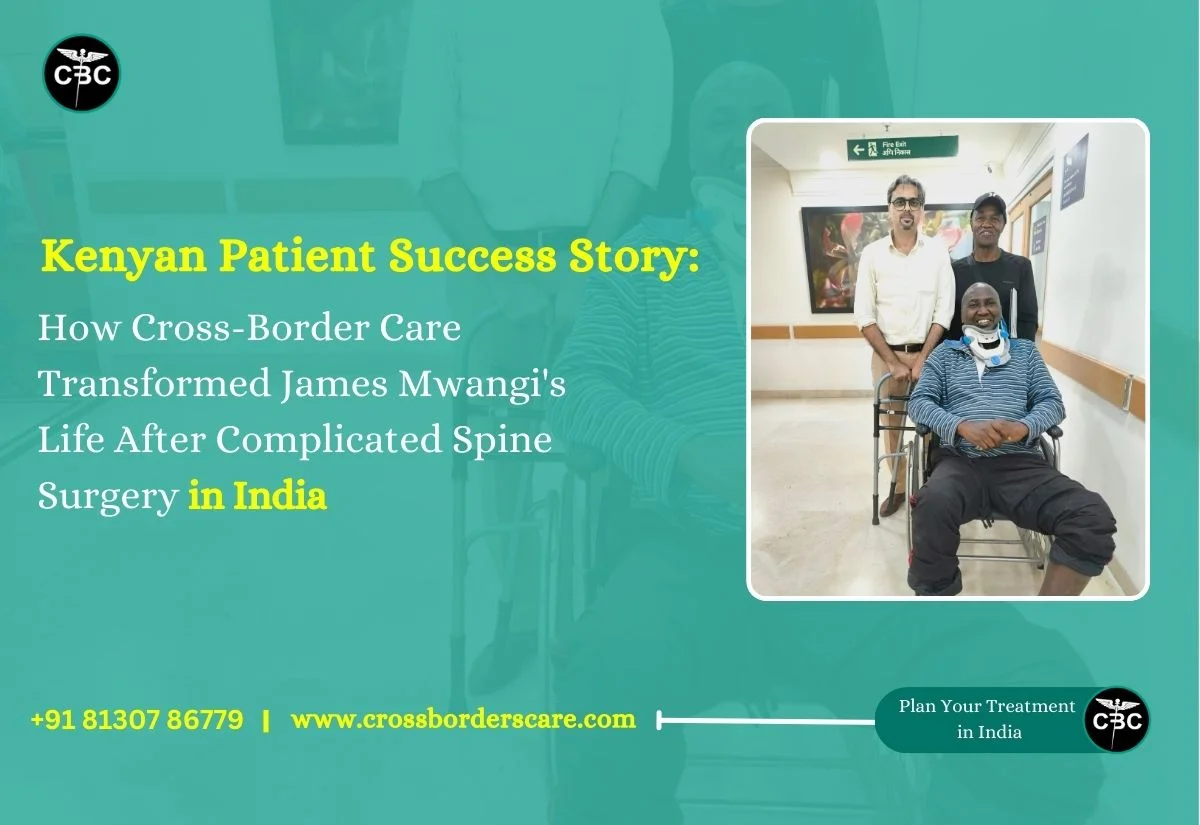
Complicated ACDF and Laminectomy Surgery in India: James Mwangi’s Success Story

James Mwangi, 63 years old, a resident of Kenya, had been struggling with severe knee pain and immobile for over 20 years. Despite seeking various treatments, his condition continued to worsen, affecting his mobility and quality of life, and he became highly obese. African doctors back home only did knee X-rays while the MRI of the spine was not done where the underlying problem was.  Determined to find a lasting solution, James sought expert medical care outside his home country. His search led him to Cross Border Care, a trusted medical consultancy that specializes in helping international patients access world-class treatment in India.

Diagnosis and Decision to Travel to India

After undergoing several MRIs, it was discovered that James had multiple problems in his cervical and lower spinal cord. His spine was severely affected ( slip disc 3 levels at the Cervical spine and 2 levels at lumbar region), and doctors in Kenya had suggested surgeries at different stages. However, this approach was both time-consuming and physically exhausting. Realizing the complexity of his case, James reached out to Dr. Nadeem Khan from Cross Border Care. Dr. Khan reviewed his medical reports and immediately recommended a consultation with Dr. Bipin.S.Walia, a highly experienced spine surgeon in India.

Understanding the urgency and significance of James’s condition, Dr. Khan coordinated all the necessary arrangements for his travel to India. This included obtaining medical visas, booking hospital appointments, and organizing pre-operative tests. Unlike many international medical journeys that involve long waiting times, James experienced seamless support through Cross Border Care, ensuring that he could receive timely treatment without unnecessary delays.

A Complex but Successful Surgery- ACDF Surgery in India and Laminectomy Surgery in India

Upon arriving at Max Super Speciality Hospital in New Delhi, James underwent a comprehensive medical evaluation. He was diagnosed with a severe spinal condition involving a slipped disc at five levels—three in the cervical spine and two in the lumbar region. Managing such an extensive issue requires a highly specialized surgical approach.

Initially, the plan was to conduct two separate procedures—Anterior Cervical Discectomy and Fusion (ACDF) surgery for the cervical spine and laminectomy surgery for the lower back. However, under the expert guidance of Dr. Walia, the team opted for a single, extensive surgery to address all five affected levels in one procedure.

The surgery demanded extreme precision, as both ACDF and laminectomy involve delicate spinal structures. Additionally, James’s history of diabetes required meticulous medical management, ensuring stable blood sugar levels throughout the procedure. The medical team provided round-the-clock monitoring, timely medications, and a carefully managed post-surgical care plan to enhance recovery.

Despite the complexity, the surgery was successfully completed, marking a significant milestone in James’s journey toward a pain-free life.

Exceptional Post-Operative Care

Recovering from such an intricate surgery required dedicated post-operative care. James was closely monitored in the intensive care unit for the first 24 hours, ensuring that there were no complications. With Dr. Khan’s coordination, all necessary medical appointments were scheduled without hassle. Cross Border Care arranged an exclusive patient case executive to assist James in all day-to-day activities, making his recovery period stress-free.

One of the key aspects of his recovery was pain management and physiotherapy. Under the guidance of expert physiotherapists, James was gradually encouraged to regain his mobility. By Day 3, he was able to take a few steps with assistance, and by Day 5, he could stand on his own.  He was discharged on day 5. The doctors were amazed by his quick progress, and the dramatic improvement in his condition overjoyed James himself.

The Role of Cross-Border Care in James’s Journey

James’s success story wouldn’t have been possible without the dedicated support of Cross Border Care. The organization ensured that every aspect of his medical trip was well-coordinated, allowing him to focus solely on his recovery. Here’s how Cross Border Care played a pivotal role:

  1. Seamless Travel Arrangements: From visa processing to flight bookings, every step was handled efficiently, reducing stress for James and his family.
  2. Hospital Coordination: All medical appointments, including consultations, pre-operative tests, and post-surgery follow-ups, were arranged in advance, minimizing wait times.
  3. Language Assistance: Translators were provided to bridge any communication gaps between James and the medical team.
  4. Financial Guidance: The team ensured transparency in cost estimation, helping James manage his medical expenses effectively. The initial cost of the surgery was USD 14000 and Dr Nadeem enabled him to get the surgery for USD 11000, which was almost 25 % discount. 
  5. 24/7 Patient Support: Dr. Khan was available round the clock to address any concerns, making James feel at home in a foreign country.

A Remarkable Recovery and Return Home

James was discharged with significant improvements after just five days in the hospital. He was given a structured rehabilitation plan to continue his progress at home. On the 15th day post-surgery, he attended a follow-up consultation and the doctors were thrilled with his recovery. With his newfound mobility and reduced pain, James was finally ready to return to Kenya.

The entire treatment process—from the initial diagnosis to full recovery—took just 20 days. This was a remarkable feat, considering the complexity of his condition. James was not only able to walk again but also regained his independence, something he had lost over the years due to chronic pain.

A Heartfelt Thanks to Cross Border Care

Before leaving India, James expressed his deep gratitude to Cross Border Care and Dr. Nadeem Khan. He acknowledged how their expertise and dedication transformed his life. Without their guidance, he would have faced numerous obstacles in accessing such advanced medical care.

“I am forever grateful to Dr Nadeem Khan and his team at Cross Border Care. They made this entire journey smooth and worry-free. From arranging my surgery to ensuring I had everything I needed, they treated me like family. Today, I can stand up, walk without a walker, and live my life pain-free. Thank you for giving me a second chance at life,” said James before departing for Kenya.

Cross Border Care: A Beacon of Hope for International Patients

James’s story is a testament to the incredible work done by Cross Border Care. Many international patients struggle to navigate complex medical procedures abroad, but with the right guidance, they can access world-class treatment without delays. Cross Border Care continues to assist patients from around the world, providing them with personalized medical solutions, logistical support, and emotional reassurance.

If you or a loved one is seeking advanced medical treatment in India, Cross Border Care is the trusted partner to make your journey smooth and successful. With a team of experienced professionals, they ensure that patients receive the best possible care, just like James did.

James Mwangi’s transformation from years of immobility to walking pain-free is an inspiration to many. Thanks to the expertise of Cross Border Care and the exceptional medical team in India, he now has a new lease on life.