Categories
corneal transplant

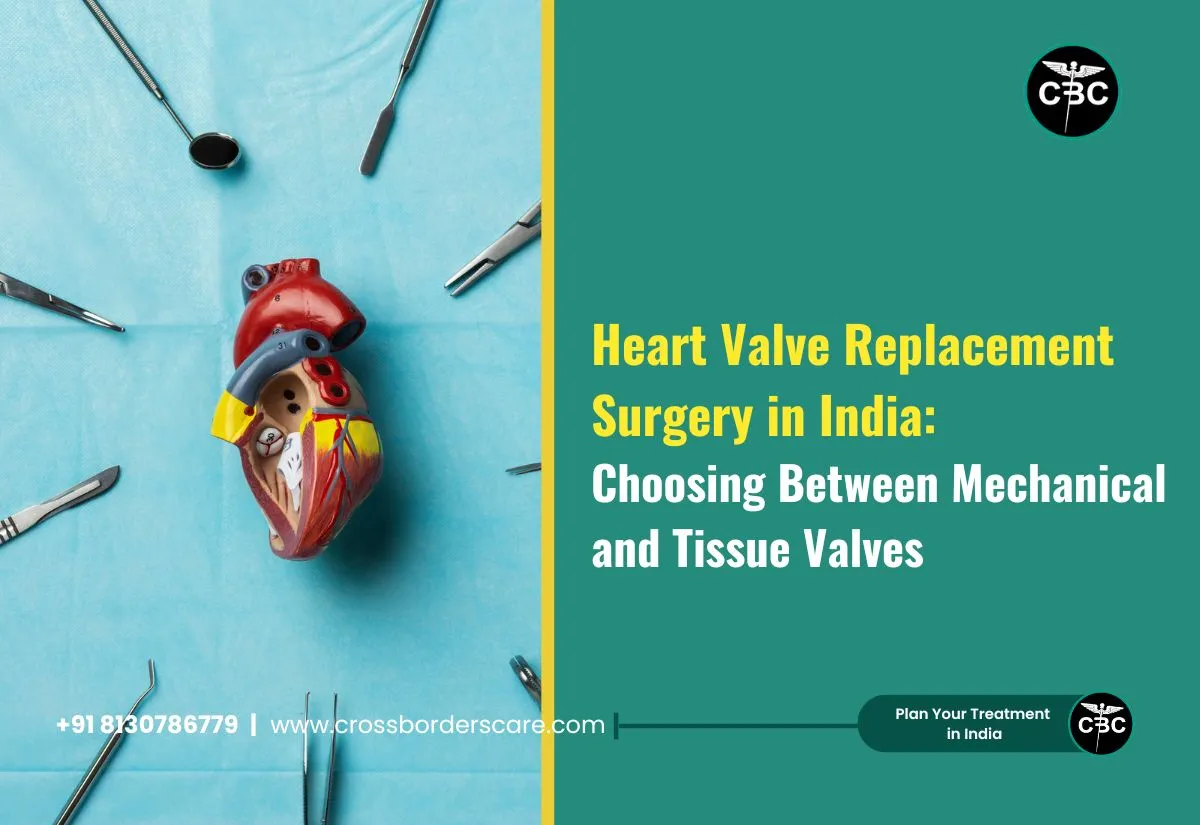
Heart Valve Replacement Surgery in India: Choosing Between Mechanical and Tissue Valves

When it comes to heart valve replacement surgery in India, patients often face a critical decision: choosing between a mechanical valve and a tissue valve. Both valves have unique benefits and challenges. This decision has never been more complicated. Why? Because there are many valve replacement options and approaches to valve replacement. 

Surgical heart valve replacement in India may be done via the front of the chest or from the side. The actual technique of implanting the valve is the same, but the issue comes when you have to choose the type of valve. 

In this blog by Cross Border Care, the biggest medical consultants in India, we will tell you the difference between the two valves. Let us dig deeper: 

Heart Valve Replacement Surgery India: What is the procedure all about? 

The heart has four valves that ensure blood flows in one direction through its chambers. These valves open to let nutrient-rich blood pass and then close tightly to prevent backflow. However, when a valve doesn’t close properly, it can leak, causing blood to flow backward. This condition is called regurgitation.

Signs of a Leaky Heart Valve

When a heart valve isn’t functioning correctly, it can cause symptoms such as:

  • Feeling dizzy or lightheaded
  • Unusual tiredness
  • Discomfort or pain in the chest
  • Difficulty breathing

Reasons and Solutions

Heart valve issues can arise due to:

  • Aging and natural wear
  • Certain infections or medical conditions
  • Rheumatic fever
  • Poor heart health overall

In cases of significant damage, heart valve replacement surgery might be needed. This involves replacing the damaged valve to restore normal blood flow and improve the heart’s performance. Identifying the issue early and getting treatment at the proper time is always desirable.

Types of Heart Valve Replacement Surgery

Aortic Valve Replacement: The aortic valve is located on the left side of the heart. After aortic valve replacement surgery, the five-year survival rate is 94%. 

Mitral Valve Replacement: This valve is located on the left side of the heart, and surgery is suggested when it does not fully open. 

Double Valve Replacement: In this replacement, both mitral and aortic valve is replaced. 

Pulmonary Valve Replacement: Pulmonary valve replacement is desired during stenosis. 

Why Heart Valve Replacement Surgery is a Good Option? 

India has become a leading destination for heart valve replacement surgery due to the following reasons: 

Affordability: The cost of heart valve replacement surgery in AIIMS is very low i as compared to western countries. 

Good Medical Care: India is home to the Best valve Replacement surgeon in Delhi who have undergone the highest training to perform complex heart surgeries. 

State of Art Medical Facilities: The top cities in India, like Delhi, have world-class medical facilities, including robotic surgeries and minimally invasive surgeries that make heart valve replacement a success here. 

Heart Valve Replacement Delhi: Knowing Two Types of Valves

Bioprosthetic Valves

Bioprosthetic valves come from pigs or cows and function extremely well. This type of valve does not require anticoagulation or blood thinners and does not make any noise. The only disadvantage is that they can wear out. It is said that the older you are, the longer your biological valve will last. 

In general, a cow or pig valve can last for a maximum of 10 years. However, it will wear out at some point, especially if you get a heart valve replacement at a young age. If you are young, in your forties or fifties, it is guaranteed that it will wear out. 

And then what? Then you’ll need a new valve. Does that always mean heart surgery? If I had a pig valve 10 years ago, and now it’s worn out, do I need heart surgery? Only sometimes. There are many instances now in which doctors can take a new pig or cow valve and fold it like an umbrella so it’s very thin. Thread it up a vein in your leg or an artery in your leg and deploy it or place it in the heart, almost like opening the umbrella, and we can place that new valve in the housing of an old pig or cow valve. So those are the biological valves. The good news, no anticoagulants or blood thinners needed. The bad news, they can wear out. 

Bioprosthetic Valve replacement surgery cost in Apollo is $4,800 to $8,400 USD

Mechanical Valves

The other type of valve is a mechanical valve. Some people say they are made of metal, and some say they are made of carbon. The deal with mechanical valves is that they will never wear out, and you will not need heart surgery again. However, if you get a mechanical valve, you need to take blood thinners and anticoagulants because the mechanical valves can cause blood clots on the surface of the valve. Coumadin and Warfarin are the only anticoagulants that are currently approved and known to be effective in people with mechanical valves. 

All the mechanical valves make a slight clicking noise. People can sense that clicking noise. Though it is a very subtle noise, you can feel it. That said, mechanical valves usually last forever, so how do you choose? 

Go to what fits you the most. This should be your primary thought. If you are willing to take anticoagulants, a mechanical valve will be your best choice. 

Mechanical valve replacement surgery cost  in India typically ranges from approximately $3,000 to $7,500, 

Best Hospital for Heart Valve Replacement in India

  1. Indraprastha Apollo Hospital, Delhi -JCI AND NABH Accredited
  2. Fortis Memorial Research Institute: JCI AND NABH Accredited
  3. Artemis Hospital: NABH Accredited

Top Doctors for Heart Valve Replacement in India

  1. Dr Anil Bahn: Experience 45 years
  2. Dr Rajnish Malhotra: Experience 35 years
  3. Dr YK Mishra: Experience 34 years. 

Check out the top surgeons for double valve replacement surgery in India here: 

Conclusion: Why Choose Cross-Border Care for Heart Valve Replacement in India?

Heart valve replacement surgery in India is a critical step toward improving heart health and overall quality of life. Choosing between a bioprosthetic and a mechanical valve depends on individual preferences, lifestyle, and medical advice. India offers world-class facilities, highly trained surgeons, and affordable care, making it a preferred destination for this life-saving procedure.

Cross Border Care, the leading medical consultancy in India, simplifies your healthcare journey. With access to top hospitals, experienced surgeons, and state-of-the-art technology, Cross Border Care ensures a seamless experience for international and domestic patients.

Whether you need guidance on selecting the right valve, finding the best surgeons, or managing your medical travel, Cross Border Care is here to assist. With our expert consultation, you can make informed decisions and receive the best possible care tailored to your needs.

Take the first step toward a healthier heart—contact Cross Border Care, and let us guide you to a new life filled with vitality and wellness.

Contact us at +91 813 0786 779 or  info@crossborderscare.com
Categories
Brain Surgery

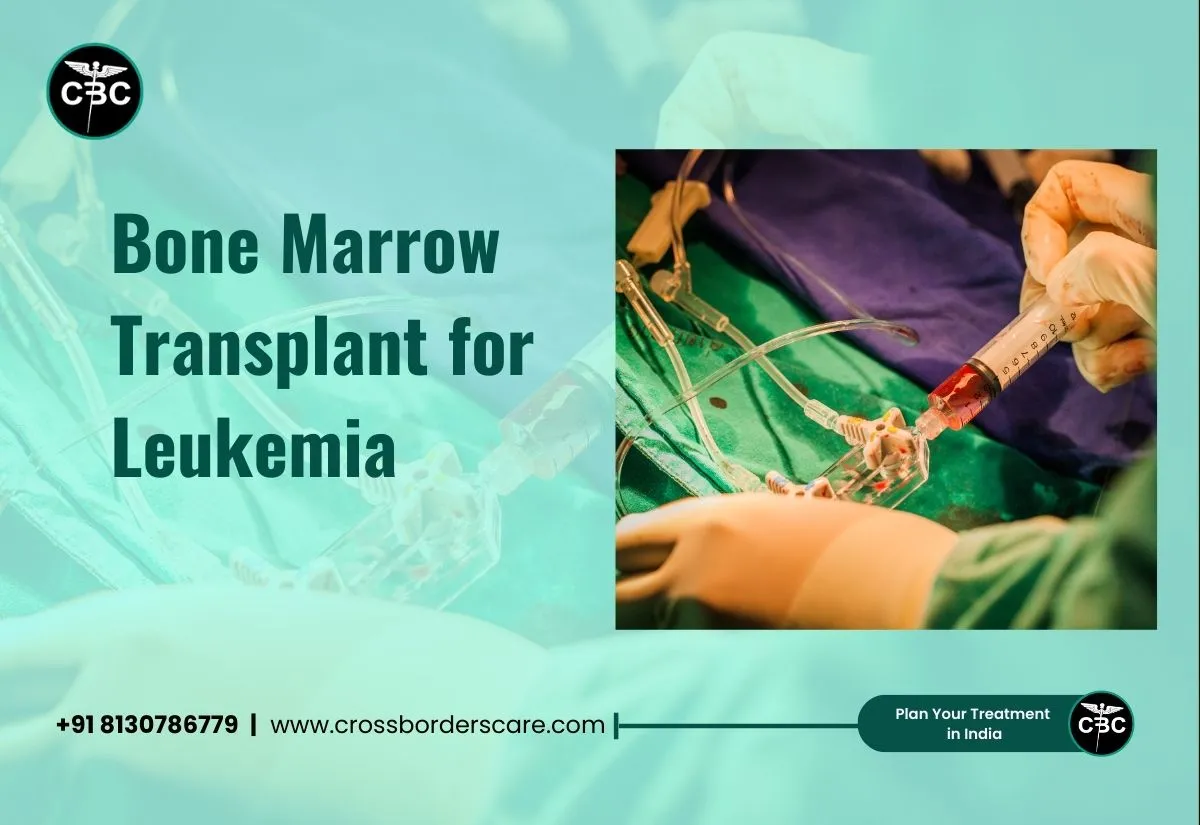
Bone Marrow Transplant for Leukaemia in India: A Comprehensive Guide

Leukaemia is a blood cancer that starts in the bone marrow and then spreads to the whole body. The bone marrow of patients with leukaemia starts making abnormal white blood cells, which affects a person’s ability to fight infections and weakens the body. Patients who have leukaemia have unhealthy bone marrow and blood. 

This blog by Cross Border Care will be your complete guide to bone marrow transplants in India for leukaemia. 

Bone Marrow Transplant Surgery India: A Quick Background

Bone marrow is the home to blood cells. It also contains stem cells that are responsible for making three types of cells in our body, namely: 

  • Red blood cells which carry oxygen around the body
  • White blood cells to fight infections and diseases
  • Platelets to prevent blood clots

These blood cells ensure our body remains healthy and happy!

Leukaemia is also of three types: 

AML: It is the most aggressive form of leukemia, and the cancer affects myeloid cells. These WBCs multiply rapidly and prevent the good cells from functioning properly. They occur in adults who are above the age of 60. 

ALL: This type of leukaemia affects lymphocytes, which are WBCs that help fight infection in the body. This type of cancer mostly affects children, but it can also affect adults. 

CML: CML is a type of leukaemia similar to AML. Both types of blood cancer affect the myeloid cells. However, the abnormal production of myeloid cells in AML is rapid, whereas in CML, it is slower. CML mostly occurs in older adults and rarely happens in children.

Bone Marrow Transplant India:  Best Way to Fight Leukemia

Bone marrow transplant in India involves replacing the patient’s unhealthy bone marrow with healthy bone marrow. The healthy bone marrow is usually taken from either the patient or the donor. The concept of bone marrow transplant can be understood from the table below: 

Type  Description
Autologous BMT  Patient bone marrow is used, and no outside donor
Allogenic BMT  Sibling is the perfect match
Haploallogenic  BMT  The donor is external and can be parents, children or sometimes relatives
Syngenic  The donor is the identical twin of the patient 

Why is HLA Matching Important? 

Human leukocyte antigen (HLA) is a type of protein found in our bodies. To get a bone marrow transplant in India, your HLA should match the donor’s HLA. If stem cells from an unmatched HLA enter the human body, the immune system treats them as foreign bodies and fights them. 

  • In many cases, a sibling is an adequate HLA match for an allogeneic transplant.
  • A Haplo-allogeneic transplant is recommended if there are no siblings. The haplo donor can be a patient’s relative, a child, or a very close relative. The majority of the matches are 50%, with a higher risk of rejection.
  • Patients can combat this problem by using the ‘matched unrelated donor’ process through the global donor registry. This process is the most expensive but offers a greater chance of finding a good match.

Cost of Bone Marrow Transplant in India: Why is the procedure expensive? 

To understand the cost of Bone Marrow Transplant in India, study the table below: 

Transplant Type Cost in India Cost in the US
Autologous  $ 15000 $ 1,40,000
Allogenic  $24000 $ 330,000
Haplo allogenic  $35000 $360000

When is a bone marrow transplant in India expensive? 

  • If the patient does not get a donor, the patient has to get a donor from a global registry, which is very expensive. 
  • Before bone marrow transplants, patients require chemotherapy to kill abnormal white blood cells, which adds to the total cost. 
  • The transplant process requires specially trained doctors and equipment./ 
  • Patients also need medicines to prevent rejection and follow-up visits to make sure that the transplant is a success.  That is why Bone Marrow Transplant Surgery costs in India is high. 

How can international patients get bone marrow transplants in India? 

Due to its highly affordable prices, haematological experts, and advanced technology, India has emerged as one of the most reliable destinations for the transplantation of bone marrow in India among leukaemia patients. 

Contact Cross Border Care

Dr Nadeem personally connects with International patients and helps them find the right fit for a Bone Marrow Transplant Program. First, patients share initial reports with him. The reports include the following information:

  • Results of the initial scans
  • Lab reports
  • All medical documents and files
  • HLA reports that are clear and in high-resolution

If you do not have any medical reports, there is nothing to worry about! He and his team will help you. All you need to do is fill out the form on-screen and let us guide you.

Top Hospitals for Bone Marrow Transplant in India

BLK Max Super Specialty Hospital

  • JCI Accredited
  • Top 10 hospitals in India
  • Serves both local and international patients
  • Specializes in cancer care

Max Healthcare New Delhi

  • JCI Accredited
  • Treats 20000 plus international patients annually
  • NABH accredited
  • ISO Certified

Fortis Memorial Research Institute Gurgaon

  • JCI & NABH Accredited Hospital
  • NABL Accredited Lab
  • Ranked No. 2 in Delhi NCR’s Best Private Hospitals 

Top Doctors For Bone Marrow Transplant in India

Dr Ashok Vaid

Location – Medanta The Medicity

Designation – Head of the Cancer Institute- Division of Medical Oncology and Hematology

Prof Vinod Raina

Location – Fortis Memorial Research Institute -FMRI

Designation – Head Of The Department (Oncology)

Dr Dharma Chaudhary

Location – BLK Hospital, New Delhi

Designation – Bone Marrow Transplant Surgeon At BLK Hospital, New Delhi

Bone Marrow Transplant for Leukemia in India are Safe

In India, Bone Marrow Transplants for Leukemia are generally safe and effective. A study conducted in India and published in NCBI reported a success rate of 95%. Furthermore, another Indian study conducted and published in the Journal of Pediatric Hematology found the Haplo-Allogeneic Stem Cell transplant to be safe and effective, with a 70.5 % survival of children with acute leukaemias.

Conclusion

Patients, especially from overseas countries, are taking advantage of the opportunity to come to India for a bone marrow transplant because of the low cost relative to the US, highly trained transplant surgeons, and ease of arrangements.
Contact us below to get more details if you wish to undergo a bone marrow transplant in India.

Categories
Brain Surgery

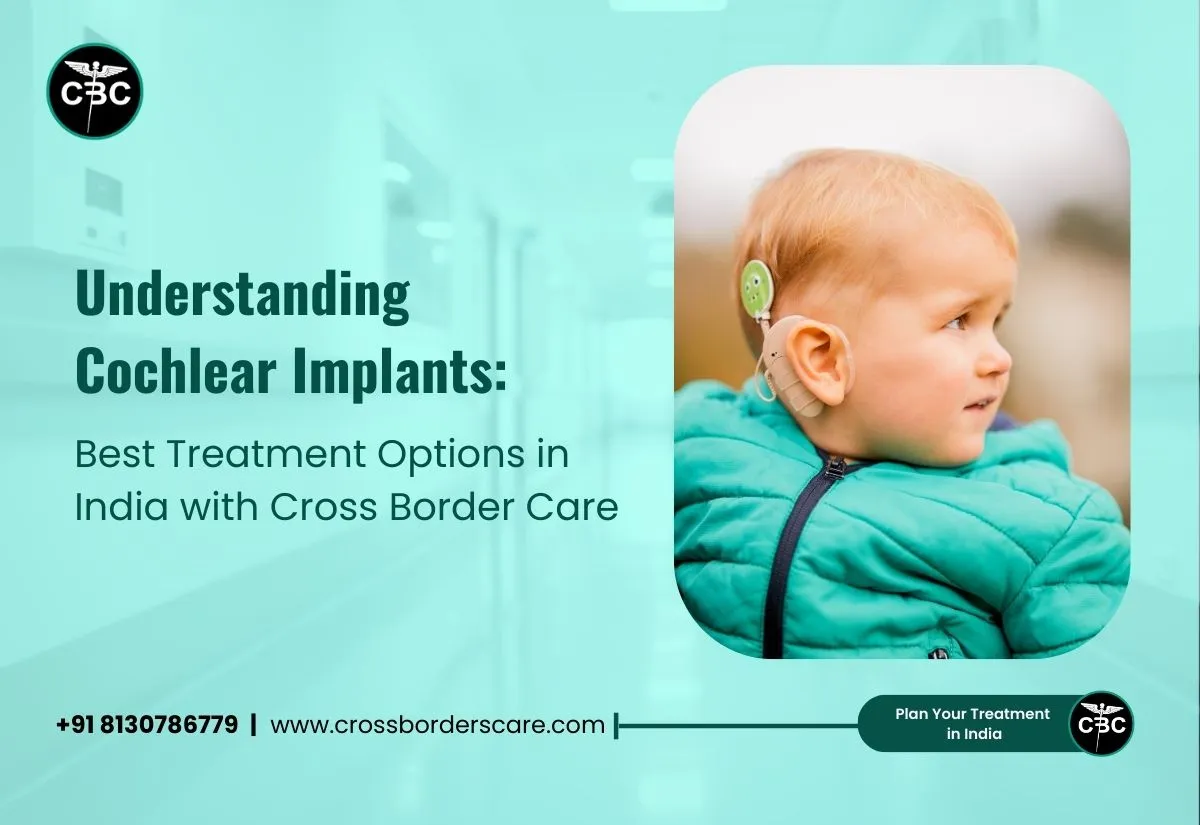
Understanding Cochlear Implants: Best Treatment Options in India with Cross Border Care

Cochlear implants are small electronic devices that allow people to hear sounds. They do not restore hearing, but they help people understand speech with less reliance on lip reading and other things. They are for people with moderate to severe hearing loss. 

 we will explore cochlear implants and how to get the best cochlear implants in India. 

Cochlear Implant Surgery India: Understanding the Main Parts

A cochlear implant is made of two main parts: 

  • One part lies outside the ear. It consists of a microphone to detect sound, a battery, a processor to process sound, and a transmitter to send signals to the internal parts. 
  • The internal part of the cochlear implant is under the skin, and wires connect to the cochlea. The cables will respond to the sound information sent by the outer processor, stimulating the neurons in the cochlea to create signals picked up by the brain. 

Cochlear Implants vs. hearing Aids

Cochlear Implant specialists in Delhi tell that cochlear implants and hearing aids have some differences. Hearing aids will amplify the sound, but they rely on the hearing ability of the ear. Thus, hearing aids do not work well for people who have severe hearing loss. 

Cochlear implants directly stimulate the part of the ear that doesn’t work by using a mild electrical current applied to the structures in the cochlea. A cochlear implant can help adults and children with severe hearing loss who cannot understand speech even with powerful hearing aids.

Best Cochlear Implant Surgery in Delhi: Who are the best candidates? 

A cochlear implant is suitable for: 

  • Who struggle to understand speech even with hearing aids
  • They need more support systems to help them learn and understand sound and speech. 

You will need the following tests  in best cochlear implant hospital in India to determine if you need cochlear implant surgery in India or not: 

  • A hearing test
  • A CT Scan or MRI
  • Examination by the audiologist to assess your communication abilities
  • Test of balance since surgery can impact the balance of the body

How are cochlear implants inserted? 

  • The cochlear implant surgery in Delhi is an outpatient procedure. It is performed in a hospital or clinic with a patient under general anesthesia. 
  • The surgeon will make a small incision behind the ear and will place the internal processor between the ear muscle and the bone. 
  • By drilling a small hole, the top cochlear implant surgeon in India will gain access to the inner ear and place the electrodes there. 
  • The entire procedure will take around 2 hours. 

Cochlear Implants in India: How do they work? 

  • A microphone inside the external speech processor will detect the sound and break it down. 
  • The speech processor relays this sound to the transmitting coil that is fixed behind the ear. 
  • The coil will then communicate with the internal processor, which is part of the device placed under the skin. 
  • The internal processor will convert this coded sound to electrical signals and then send it to the electrodes that are fit inside the cochlea.
  • The electrodes will then send signals to the brain, which helps them hear sounds. 

The cochlear implant stimulates the hearing nerve and helps the person detect sounds. Although these sounds might sound unfamiliar at first, after rehabilitation at cochlear implant hospital in India, most people can train their brains to process them and learn to understand speech.

Cochlear Implant Types

Numerous cochlear implants are available in different sizes, weights, and features. Although all cochlear implants have parts inside and outside of the ear, in some models, the sound processors are combined into one disk-like piece on the side of the head, with the microphone and transmitter included ― nothing hangs on the ear.

 A child can use the same implants as adults because the size of internal ear structures does not change with age. An appointment with an audiologist in Delhi is scheduled before surgery to help you learn about the options and choose the implant that meets your needs.

Cochlear Implants for Children 

Children whose hearing loss is not adequately managed with hearing aids can benefit from cochlear implants. When used starting at a young age, cochlear implants can improve a child’s hearing and ability to understand and use spoken language. 

Conclusion

Choosing cochlear implant surgery in India with Cross Border Care provides foreign patients with a streamlined, world-class experience under the expert guidance of Dr. Nadeem Khan and his dedicated team.

 As a trusted medical consultant in IndiaCross Border Care assists patients through every step of the journey, from selecting top cochlear implant surgeons to organizing pre-surgery evaluations and post-operative care. 

Cochlear implants are a transformative solution for those with severe hearing loss, and receiving this procedure in India ensures access to advanced medical technology and compassionate care. The success rate of cochlear implant surgery in India is also high. 

 If you or a loved one is considering cochlear implant surgery, reach out to Cross Border Care for expert support and personalized treatment options in India.

Categories
corneal transplant

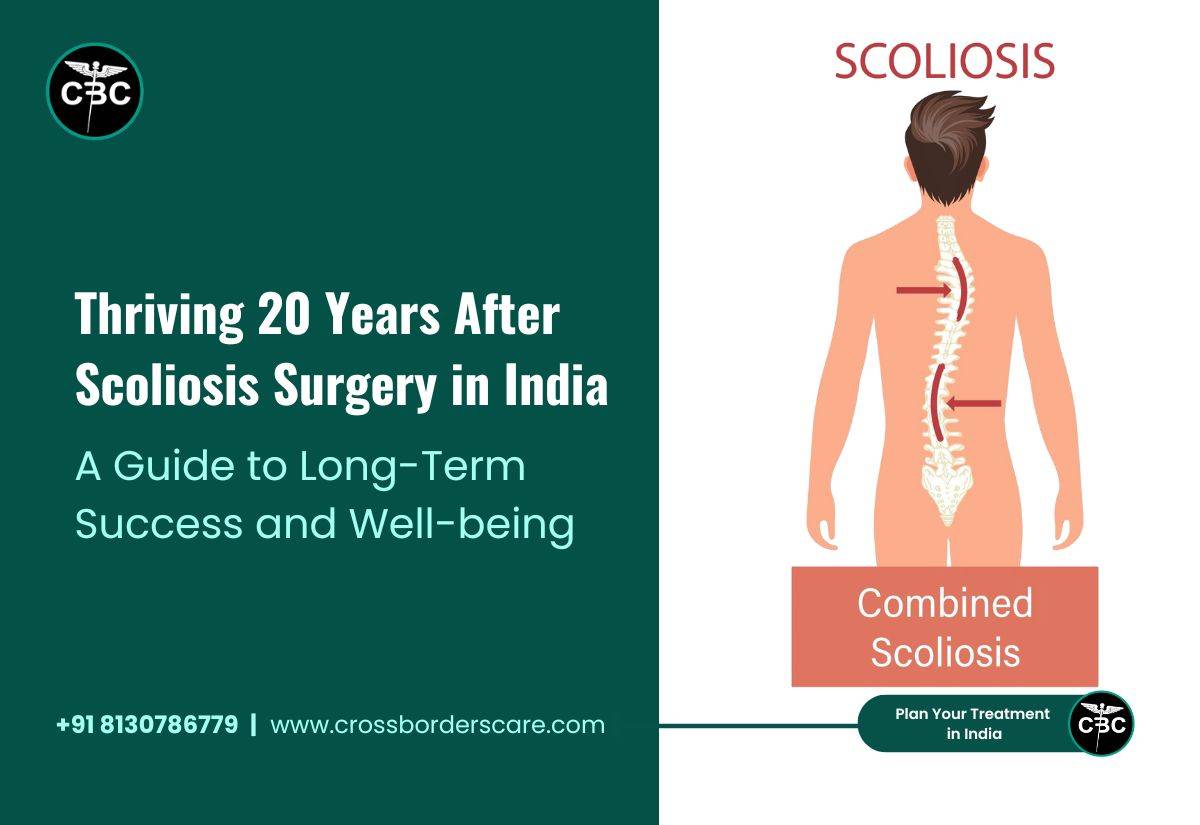
Thriving 20 Years After Scoliosis Surgery in India: A Guide to Long-Term Success and Well-being

Reaching the 20-year mark after scoliosis surgery in India adds a significant chapter to your life. After careful treatment, the initial recovery takes place gradually, but in the end, you will be able to live your life the way you always wanted. You will feel more flexible and in less pain. 

After scoliosis surgery, most people can handle their daily activities quite well. Advanced surgical methods now allow for a satisfying and healthy life 20 years after scoliosis surgery.

In this blog by Cross Border Care, the best medical consultants in India, let us uncover the insights that reveal the possibilities that await beyond the 20-year mark post-scoliosis surgery.

Scoliosis Surgery in New Delhi: Living a Normal Life

Two decades after scoliosis surgery, living an everyday life is a reality for many. Studies have shown that over 90 % of individuals who had scoliosis surgery have seen significant improvement in their quality of life. You will be able to engage yourself in day-to-day activities and live your life to the fullest. 

It is important to note that the success of scoliosis surgery in India will depend on the following factors: 

  • Patient commitment to rehabilitation exercises
  • Adherence to medical advice by the surgeon
  • Your overall general health. 

Regular checkups with top scoliosis surgeons in India will help to identify any potential issues early on. 

For personalized guidance, book an appointment with Cross Border Care today. 

Expectations 20 years after Scoliosis Surgery

Sustained Relief

After 20 years of scoliosis surgery, there will be a remarkable reduction in pain. The effect of this surgery on providing pain relief is usually long-lasting. It gives you an excellent quality of life.

Physical Freedom

Imagine physical freedom that you may not have once thought possible at all before the surgery. As your spine stabilizes over time, you find yourself engaging in once-challenging activities more quickly.

Posture Perfection

After the scoliosis surgery in Delhi, your posture will improve. This will help you feel comfortable in your day-to-day activities and improve your alignment. 

Emotional Well-being

If you’ve had scoliosis over the years, you’ll notice your tolerance to the emotional toll of scoliosis drops. This all slowly becomes second nature in that you begin to deal with the challenges and adjustments post-surgery. It also helps with better emotional well-being and positive thinking.

Daily Activities

You should do daily activities with ease, whether it’s work, hobbies, or even some chores. Hopefully, the surgery will allow you to live life generally without the restrictions granted by scoliosis.

Potential Complications

Complications can occur while they’re rare. Look out for new symptoms that may arise after the surgery. Keep an eye on the latest symptoms. Do not hesitate to consult your healthcare provider if you notice any unusual changes in your condition. 

Lifestyle Adaptations

You will have to follow specific lifestyle adaptations. Make sure to exercise and follow correct posture habits. Make them a part of your daily routine, and it will help to contribute to the long-term success of the surgery. 

Follow Up care

Attend regular follow-up appointments with your scoliosis surgeon in India to monitor the stability. Staying proactive with check-ups will help you maintain your spinal health. This will guide you and help you maintain a positive perspective 20 years after the scoliosis surgery in India. 

What Percentage of Scoliosis Surgery is Successful? 

When it comes to scoliosis surgery, the success rates are high. On average, 80 to 90 % of patients experience successful outcomes. The success of scoliosis surgery will depend on several factors: 

  • The severity of the condition
  • The overall health of the patient
  • Adherence to post-operative care

With advanced techniques and medical expertise, scoliosis surgery is an effective option for people who want long-lasting relief from spinal deformities. 

Contact Cross Border Care to get in touch with the best doctors for minimally invasive spine surgery in India.

Categories
Uncategorized

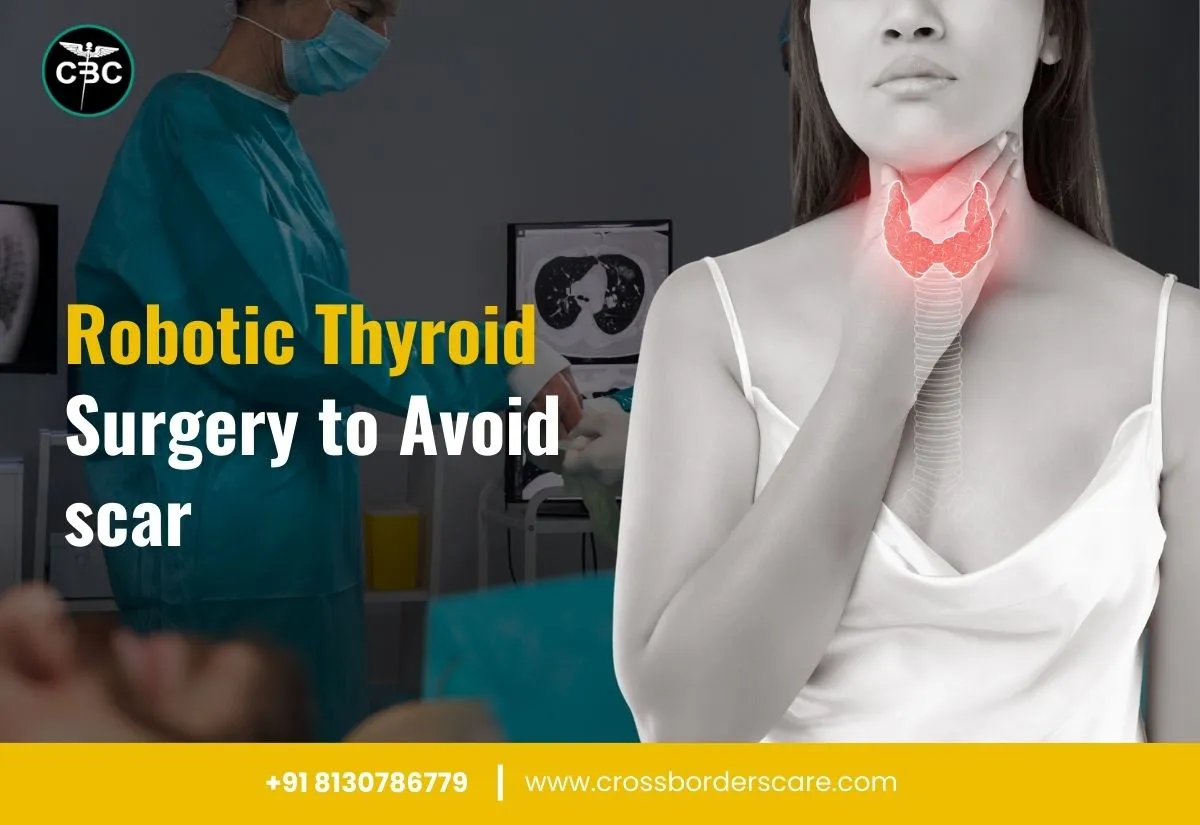
Thyroid Patients Can Go For Robotic Surgery To Avoid Scar

The rise in the number of the thyroid patients has evolved the field of medicine to serve them with the best treatment. When it comes to the surgery, the groundbreaking advancements in the medicine field offer minimally invasive surgeries as an alternative to the traditional thyroid surgery. 

The adoption of  robotic thyroidectomy helps patients eliminate problems of the traditional thyroid surgery. Read on to know more how thyroid patients can go for robotic surgery to avoid scars.

Robotic Surgery for thyroid patients- An overview

It refers to the treatment of thyroid cancer, hyperthyroidism, and benign nodules by making an incision in the neck. Hence, patients get a noticeable scar leaving several cosmetic and social dilemmas especially for young females. 

It is accompanied by an increased post-recovery period and more postoperative pains. Patients undergoing traditional thyroid surgeries have reported complications due to reduced precision and control.

Robotic surgery for thyroid patients- An overview

The use of the advanced medical robotic systems like Da Vinci Surgical System offers a few millimetres of the incision in the thyroid surgery. This system consists of a console to be operated by the surgeon, specialised instruments, and robotic arms. 

The surgeon controls the robot from a console using the high-definition 3D visuals and intuitive controls. The robotic arms further use tiny instruments for enhancing the stability and precision of the surgeon’s hands.

Why do thyroid patients go for robotic surgery to avoid scars?

Many female thyroid patients prefer to go for the Scarless Thyroidectomy Surgery. So, after having a quick overview of the traditional and robotic thyroid surgery procedure, here are the different reasons why robotic surgery is best to avoid scar:

  • Use of small incisions

Firstly, robotic surgery for thyroid patients uses small incisions compared to traditional surgery. The traditional thyroid surgery involves a large incision in the neck. It creates a noticeable scar which requires significant cosmetic treatment.

Robotic surgery for thyroid use incisions that are less than 1 centimetre in length only. Further, females prefer to go for these stitches placed in the inconspicuous areas depending on the type of the robots used.

  • Less visible trauma to surrounding tissues 

The use of advanced robotic instruments controlled by surgeons creates less trauma to the surrounding tissues during thyroid surgery. It leads to reduced tissue trauma with fewer complications to the skin.

Females prefer to go with the robotic surgery that comes with less bruising, swelling, blemishes, or other skin issues.

  • Reduced postoperative comfort

With the reduced scars and trauma to the surrounding tissues, the overall postoperative comfort significantly decreases in thyroid robotic surgery. It is easy for the patients to return to their daily activities when compared to the recovery time in traditional thyroid surgery.

With the reduced risk of skin infections, the overall postoperative comfort significantly rises with the robotic thyroid surgery. It adds to the overall aesthetic appeal of robotic surgery for females.

  • Low incidence of postoperative skin issues

Many patients after traditional thyroid surgery suffer from different complications like fluid collection, wound infections, or preservation of the critical structures. While the risks of surgery remain noticeable in any medical procedure, robotic surgery offers significant satisfaction to female patients.

With reduced manipulation of the tissues, the chances of postoperative skin issues are significantly reduced.

Final thoughts

Robotic surgery for thyroid patients offers the right alternative to traditional thyroid surgery when it comes to visible scarring. It is easy to understand the basics of traditional surgery and robotic surgery for managing thyroid patients. The different reasons focusing on the adoption of robotic thyroid surgery make them ideal for patients looking to avoid visible scars.

Cross Border Care ensures high levels of advanced treatments like robotic thyroid surgery in state-of-the-art facilities, expert medical professionals, and customized treatment at the best affordable prices.

Categories
Uncategorized

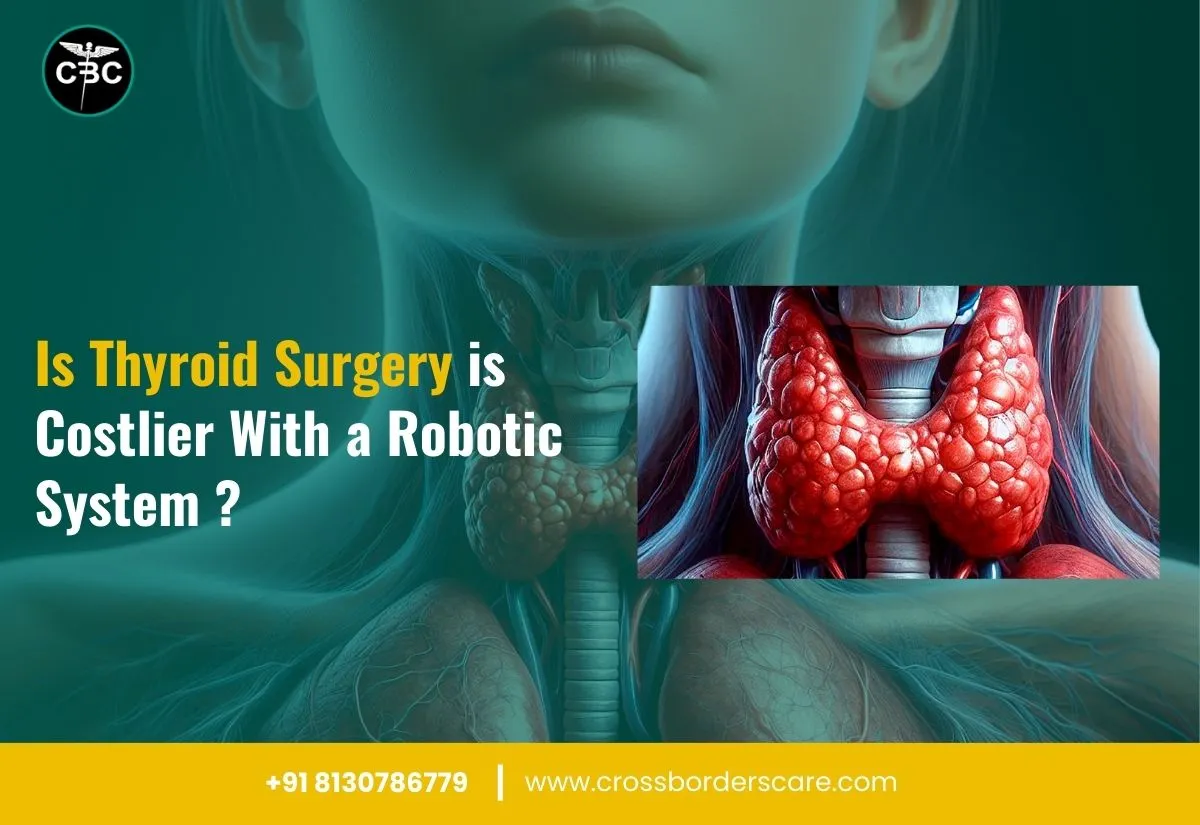
Is Thyroid surgery costlier with a robotic system?

Patients looking for treatment for thyroid issues may seek the potential help of robotic thyroid surgery. Several factors contribute to the high cost of thyroid surgery with robotic systems.

Read on to know more about this raise in costs, the key cost factors, and cost vs. benefit analysis on robotic thyroid surgery in this write-up.

Thyroid surgery with robotic system- An outline

While traditional thyroid surgery is performed using open surgery or endoscopic methods, these come with noticeable scarring and long recovery times. The use of advanced surgical robots like the Da Vinci Surgical System in robotic thyroid surgery eliminates the issues of enhanced recovery time, increased postoperative pain, and increased chances of infections with traditional surgery.

Robotic thyroid surgery follows a minimally invasive approach through small incisions either from  transoral routes or transaxillary routes. Hence, the overall recovery time and scarring is reduced in robotic thyroid surgery.

Why is thyroid surgery with robotic systems costlier?

Initial investment costs

Firstly, the investment in robotic surgical systems is high. This is due to the high purchase and maintenance costs of the robotic system used in thyroid surgery. The initial investment in systems like the Da Vinci ranges from 1.5 to 2.5 million USD. 

It is further based on the type of model and configuration. The high initial investment cost of robotic systems covers high-definition 3D visualisation, robotic arms with multiple degrees of freedom, and specialised instrumentation.

Maintenance and operational costs

The robotic systems require dedicated maintenance and operations for smooth efficacy. Regular maintenance, technical support, and software updates add to the overall costs of the robotic surgery. 

Per-procedure costs

Thyroid surgery using robotic systems has considerable procedure requirements like disposable consumable supplies and specialised instruments. These costs are higher than the costs of the traditional thyroid surgery. 

Training and skill development of surgeons

The use of the robotic system for thyroid surgery requires extensive training of surgeons and operating staff. This leads to higher costs per procedure without reducing the efficacy of the surgeons.

Operating room time

The robotic surgery takes longer time than the traditional methods during the learning phase. This longer operating time increases the overall costs linked to the operating rooms. It covers facility overhead, anaesthesia team, and staff time.

Scarcity of Robotic System in India 

The availability of the robotic system in India for thyroid surgery is limited to the metropolitan and big cities only. Hence, patients need to to travel to these regions which adds to the overall treatment costs.

Limited trained surgeons

The training of the surgeons for the robotic thyroid surgery is available in medical excellence regions like the USA. Hence, the overall limited trained surgeons adds to the costs of this robotic treatment.

The average cost of thyroid surgery with the robotic system in India.

Thyroid surgery with robotic systems in India costs around 5,000 USD to 8,000 USD on average. It further depends on the different factors like the patient’s condition, type of hospital, and expertise of the medical professionals.

Cost vs. benefit analysis- Robotic thyroid surgery

When it comes to the cost vs. benefit analysis of the thyroid surgery with robotic systems, there is a fair play for the majority of patients. The availability of the top-class robotic systems, properly maintained robotic arms, and expert processes justifies the robotic system costs.

The expertise of the robotic surgeons and dedicated facilities for the robotic thyroid surgery ensures that patients are less prone to the complications and can enjoy enhanced recovery rates. 

Not to miss is that Cross Border Care can help patients to unlock the benefits of robotic thyroidectomy  while making it as affordable as possible for a broad range of patients.