Categories
Cancer tratment

Hidden Costs of Bone Marrow Transplant in India

The cost of a bone marrow transplant isn’t just about the surgery—it’s about preparing for the entire journey.

For many families in Tanzania, travelling to India for a bone marrow transplant is a decision driven by hope. There are best bone marrow transplant specialists in India ,advanced hospitals and internationally recognised treatment protocols. While the treatment itself is often more affordable than in many other countries, many families are surprised to discover that the hospital package is only one part of the total expense.

Medical visas, flights, accommodation, daily living expenses and follow-up care can all affect your overall budget. Understanding these costs before travelling helps families avoid unexpected financial stress and focus on what truly matters—the patient’s recovery.

At Cross Border Care, we help Tanzanian patients plan every step of their treatment journey, from choosing the right hospital to returning home safely after recovery.

What’s Usually Included in the Hospital Package?

Indraprastha Apollo Hospital, New Delhi, best bone marrow transplant hospital in India, provides a treatment estimate after reviewing the patient’s medical reports. This generally includes the transplant procedure, hospital admission, ICU care (if required), doctor’s consultations, nursing care and medicines used during hospitalisation.

However, some important expenses are usually outside the treatment package.

Medical Visa & Flight Expenses

The first hidden cost begins before you even leave Tanzania. Patients require an Indian Medical Visa, while an accompanying family member usually travels on a Medical Attendant Visa. Flight prices also vary depending on the travel season and how early tickets are booked.

How Cross Border Care Helps

Our team coordinates with Apollo Hospital to arrange the required medical invitation letter, guides you through the visa application process and helps you prepare the necessary documents before travel. We also advise families on planning their travel early so they can often benefit from better flight fares.

Where Should You Stay Near Apollo Hospital?

During Bone marrow transplant in India patients usually stay in Delhi for several weeks after discharge because frequent follow-up appointments and blood tests are essential.

The most convenient areas near Indraprastha Apollo Hospital are Jasola, Sarita Vihar and New Friends Colony. Among these, Jasola is one of the most preferred locations because it is only a few minutes from the hospital and offers a good selection of budget hotels, serviced apartments and guest houses.

Accommodation generally starts from USD 20–35 per night for budget stays, USD 40–70 for mid-range hotels and more for premium options.

How Cross Border Care Helps

Instead of spending hours searching online after reaching India, Cross Border Care helps families book comfortable accommodation near Apollo Hospital before they travel. We recommend options that match your budget while keeping you close to the hospital throughout treatment.

Daily Living Expenses

Another cost that families often underestimate is everyday living.Meals, bottled water, groceries, laundry, local SIM cards and personal essentials can add up during a stay that may last several weeks.

A family should generally keep a budget of USD 15–30 per day for daily expenses

How Cross Border Care Helps

Our coordinators recommend affordable restaurants, grocery stores, pharmacies and nearby markets around Apollo Hospital. We also help international patients purchase local SIM cards and guide them on essential services so they can settle comfortably without unnecessary spending.

Local Transportation

Travelling between the airport, hotel and hospital is another important expense.

Although Delhi has excellent public transport, patients recovering from a bone marrow transplant usually require a cleaner and more comfortable mode of travel due to their reduced immunity. Staying close to Apollo Hospital in Jasola or Sarita Vihar also helps reduce daily transport costs.

How Cross Border Care Helps

We arrange airport pickup (if required), help families choose the most convenient transport options and recommend accommodation within a short distance of the hospital so patients can avoid long daily journeys.

Medicines & Follow-Up Care

The bone marrow transplant in India for Tanzanian patients is only one stage of treatment. After discharge, patients require regular blood tests, doctor consultations and medicines to support recovery and reduce the risk of infection.

Depending on the patient’s condition, some of these expenses may not be included in the original hospital estimate.

How Cross Border Care Helps

Before treatment begins, we explain which medical expenses are generally included in the hospital package and which may vary depending on recovery. This helps families prepare a realistic medical budget and avoid unexpected financial surprises.

Longer Stay Than Expected

Every patient’s recovery is different. While some patients recover according to schedule, others may need to remain in India for additional observation before receiving clearance to travel home.

A longer stay naturally increases accommodation, food and transportation expenses.

How Cross Border Care Helps

If your stay needs to be extended, our team assists with accommodation extensions, appointment scheduling and travel rescheduling. We continue supporting your family until your treating doctor confirms that it is safe to return to Tanzania.

A Simple Budget Planning Checklist

Before travelling to India, make sure your budget includes:

Expense Plan For
Hospital treatment As per the hospital estimate
Medical visa & flights Patient and one attendant
Accommodation Stay near Apollo Hospital
Daily living Food, groceries and essentials
Local transport Airport and hospital visits
Emergency fund Medicines or extended stay

Conclusion

Travelling to another country for a bone marrow transplant is a significant step, and careful financial planning is just as important as choosing the right doctor. At Cross Border Care, medical consultants for bone marrow transplant in India, we believe that patients should never have to face this journey alone. From helping you choose the right hospital and arranging online consultations to assisting with visas, accommodation, airport transfers and treatment coordination, we are with you every step of the way—so you can focus on hope, healing and recovery.

Contact Dr Nadeem Khan, director at Cross Border Care to know more.

Frequently Asked Questions

Is accommodation included in the bone marrow transplant package?

No. Accommodation for the patient and accompanying family members is usually arranged separately.

Which area is best for staying near Apollo Hospital?

Jasola, Sarita Vihar and New Friends Colony are among the most convenient locations because they are close to Apollo Hospital and offer accommodation for different budgets.

Does Cross Border Care help with medical visas?

Yes. We assist with hospital invitation letters, documentation guidance and the overall medical visa process.

Can Cross Border Care arrange accommodation before I arrive in India?

Yes. We help Tanzanian families book safe and affordable accommodation near Apollo Hospital before they travel to India. How to Find a Donor for a Bone Marrow Transplant?

Categories
Cancer tratment

Why Should Ethiopian Patients Choose HIPEC In India?

For Ethiopian patients who get diagnosed with advanced abdominal cancer , hope often feels distant. HIPEC cancer treatment in Ethiopia is limited and cost can be very high. In such cases Ethiopian patients can visit India and get advantage of advanced HIPEC treatment in India.

To know more on this, be with us till the end of the blog and know how Cross Border care can help you avail this treatment at the best hospital in India.

Why is HIPEC special?

HIPEC (Hyperthermic Intraperitoneal Chemotherapy) is a combination of:

  • Cytoreductive Surgery (CRS) – removing all visible tumors
  • Heated chemotherapy directly inside the abdomen at 42°C

Since the chemotherapy is applied directly where the cancer cells are, it works more powerfully and with fewer side effects compared to IV chemotherapy.

Conditions Treated With HIPEC

  • Ovarian cancer with peritoneal spread
  • Stomach cancer with peritoneal metastasis
  • Appendix cancer
  • Colorectal cancer with peritoneal deposits
  • Pseudomyxoma peritonei
  • Peritoneal mesothelioma

For these cancers, HIPEC has been proven to improve survival, quality of life, and treatment response. This is why HIPEC surgery in Ethiopia is recommended for abdominal cancers, but many patients choose India due to better availability and expertise.

What happens in HIPEC treatment?

  • Your HIPEC treatment in India will begin with cytoreductive surgery where all the visible tumors are removed from the abdomen. The goal of this step is to remove 90 to 100% of visible tumors.
  • After the surgery the surgeon will use a special machine to pump chemotherapy solution heated to 41 to 43 degree celsius into the abdomen. Chemo is circulated for 60 to 90 minutes and kills the remaining microscopic cancer cells.
  • The abdomen is then washed with sterile fluid and the incisions are closed.
  • After the procedure the patient has to stay in the ICU for 1 to 2 days and total hospital stay will be 7 to 10 days.

Which is the best hospital for HIPEC treatment in India?

When it comes to advanced cancer treatments like HIPEC, choosing the right hospital and the right oncology team makes a huge difference. For Ethiopian patients, Indraprastha Apollo Hospital in New Delhi stands out as one of the most trusted and well-equipped centres for HIPEC care.

Why Indraprastha Apollo Hospital Is the Best Choice for HIPEC

  • One of India’s most advanced multi-specialty hospitals with international accreditation (JCI + NABH).
  • State-of-the-art modular operation theatres designed for complex cancer surgeries like CRS + HIPEC.
  • Dedicated perfusion systems required for safe and effective heated chemotherapy delivery.
  • 24×7 ICU and critical care backup, essential for post-HIPEC recovery.
  • A highly experienced International Patient Services (IPS) department offering visa assistance, airport pickup, language support, and complete travel care for Ethiopian families.
  • Known for transparent pricing, which is extremely important for cross-border patients.

No hospital offering HIPEC cancer treatment in Ethiopia can currently match Apollo’s infrastructure and HIPEC experience.

Why Dr. Manish Singhal Is a Highly Recommended Oncologist for Ethiopian Patients?

  • Over two decades of oncology experience, treating complex and advanced-stage cancers.
  • Known for his empathetic, personalised approach and detailed pre- and post-treatment guidance for African patients.
  • Part of Apollo’s expert cancer team, providing a multidisciplinary approach — essential for HIPEC cases (medical oncology + surgical oncology + critical care).
  • Trusted by many international patients from Ethiopia, Uganda, Tanzania, Ethiopia, Nigeria, and other African nations.
  • Ensures clear communication, treatment planning, and long-term follow-up, even after patients return to Ethiopia.

HIPEC Treatment Cost Comparison (Ethiopia vs India vs USA/UK)

Country Average Cost of HIPEC Treatment Remarks
Ethiopia (Private Sector) Very High Limited specialised centres, high surgical cost, long waiting time
USA / UK Extremely High Among the highest in the world; often not affordable for international patients
India Affordable + High Success Rate 60–70% cheaper than Ethiopia & Western countries; excellent HIPEC expertise


Even with travel + stay, Indian treatment remains cost-effective for Ethiopian patients. This is one of the reasons India has become a preferred destination for patients who would otherwise struggle with the cost of HIPEC treatment in Ethiopia.

How Cross Border Care Helps Ethiopian Patients for HIPEC Treatment in India

  • Contact us on our whatsapp number and send us your reports. We will get them reviewed by top oncologists in India and send you a preliminary treatment plan along with a cost estimate.
  • We will issue an official medical visa invitation letter from here and help you apply for a medical visa.
  • We will arrange doctor consultation on priority for you once you arrive here.
  • The cost of the entire treatment will be transparent and we will even help you with discounts.
  • We will assist you completely during your hospital stay here whether it is consultation with doctors, or help with payments or reports.
  • We also provide follow up care services.

Travel Documents Ethiopian Patients Must Carry

  • Passport (valid for 6 months)
  • Medical Visa (or e-Medical Visa)
  • Attendant Visa for family member
  • All medical reports
  • Biopsy reports
  • CT/MRI scans (films + CD)
  • Treatment summary from Ethiopian doctor
  • Adequate funds proof (optional but helpful)

How Long Should an Ethiopian Patient Stay in India?

  • 7–10 days hospital stay
  • 3–4 days for pre-surgery tests
  • 10–14 days recovery in India before flying back

Total recommended stay: 3 to 4 weeks

Trust India, Get Rid of Cancer now

  • Faster access to treatment
  • Experienced oncologists
  • High success rate for HIPEC
  • Transparent pricing
  • Indian hospitals understand African patients’ needs
  • Cross Border Care provides end-to-end support

Need HIPEC Treatment in India? We Are Here to Guide You

If you or your loved one in Ethiopia has been advised by HIPEC, Cross Border Care will help you access the right doctors and hospitals in India at an affordable cost. You can contact us on WhatsApp for a free medical opinion.

Categories
Cancer tratment

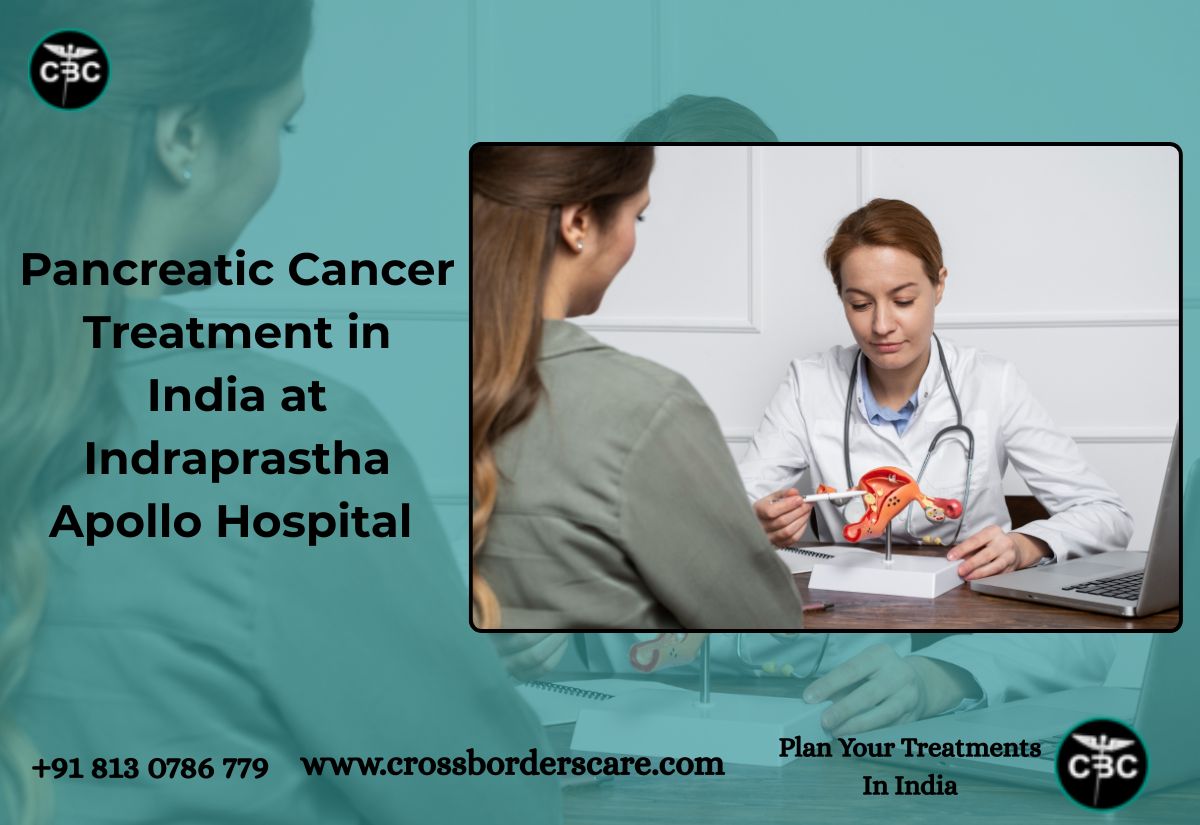
Pancreatic Cancer Treatment in India at Indraprastha Apollo Hospital

Looking for Pancreatic cancer treatment in India? Read this blog, as all your worries are going to fade away soon!!
Pancreatic cancer is one of the most aggressive forms of cancer, and getting timely, expert treatment can make all the difference. However, for many international patients—mainly from Africa, the Middle East, and Eastern Europe—accessing advanced pancreatic cancer treatment locally can be both limited and prohibitively expensive.
India, specifically Indraprastha Apollo Hospital in Delhi, is the top pancreatic cancer hospital in India that provides affordable cancer treatment in India. One of the leading names in gastrointestinal and pancreatic cancer surgery is Dr. Deepak Govil, a senior surgical gastroenterologist with decades of experience.
Here’s how international patients can get treated by Dr Govil without any waiting time by taking the help of Cross Border Care, a trusted medical consultant in India.

Pancreatic Cancer Treatment in India: Why Choose Dr. Deepak Govil and Indraprastha Apollo Hospital?

  • Global Expertise: Dr. Deepak Govil, a top pancreatic cancer doctor in India, is the Director of Surgical Gastroenterology at Indraprastha Apollo Hospital, Delhi, and is well-known for complex pancreatic surgeries like Whipple’s procedure.
  • Advanced Technology: Apollo Hospitals uses the latest surgical and diagnostic equipment, including robotic surgery, high-end imaging, and precision radiotherapy for pancreatic cancer treatment in India.
  • Multidisciplinary Cancer Board: Your case will be reviewed by a team of oncologists, radiologists, gastroenterologists, and surgeons to carve out the best treatment plan for you.
  • Cost Advantage: The total cost of pancreatic cancer surgery in India can be 50–70% lower compared to the U.S., UK, or Europe.

How to Get Pancreatic Cancer Treatment in India?

International patients looking to get cancer treatment in India often face the most common problem of how they can avail the best treatment away from their country. To help them in every step of the way, they need a trusted partner who can be there with them all the time and take of their needs, like appointments with a doctor, arranging a hotel room for them, and helping them with tests and treatments.

Cross Border Care bridges the gap between international patients and top Indian hospitals like Indraprastha Apollo Hospital Delhi. Here’s a realistic, step-by-step journey you might go through:

Step 1: Share Your Reports

Once you or your loved one receives a pancreatic cancer diagnosis, and by any chance you happen to find our website, you can email all your test reports (CT scans, biopsy, etc.) to Cross Border Care. The reports will directly reach Dr Nadeem Khan, and from there, he will take your case further to Dr. Govil. Their medical team ensures that Dr. Govil reviews your case directly.

Step 2: Video Consultation (Optional)

Before flying to India, you can choose to have a detailed one-to-one consultation with Dr. Govil through Cross Border Care. This helps you understand your treatment options and build trust with the doctor. This will help you know what treatment options you will get in India and what will be the best course of action in your case.

Step 3: Visa and Travel Assistance

Once everything is sorted, trust is built. Cross Border Care will help you with a medical visa invitation letter from Indraprastha Apollo Hospital, which makes your Indian visa approval faster and easier. We will also guide you through flight booking, airport pickup, and accommodation near Apollo Delhi.

Step 4: Arrival and Admission

Upon your arrival in Delhi, Dr Nadeem Khan will meet you at the airport and accompany you. Have some refreshments with him, check-in at your hotel, and then he will arrange the earliest appointment at Indraprastha Apollo Hospital. You will be under Dr. Deepak Govil’s care, where, after your admission to the hospital, diagnostic tests like PET-CT, tumor markers, and blood panels are repeated to confirm staging.

Step 5: Surgery and Recovery

If you’re eligible for pancreatic cancer surgery in India (e.g., Whipple procedure or distal pancreatectomy), Dr. Deepak Govil and his team perform it at Indraprastha Apollo using advanced, minimally invasive techniques where possible. For inoperable tumors, chemo or radiotherapy will be used. Treatment options will be discussed in detail with you and your caregivers.
Post-op recovery typically takes 7–10 days in the hospital. You are supported by dieticians, physiotherapists, and Cross Border Care’s on-ground support staff.

Step 6: Discharge and Return

Once fit to travel, your reports and follow-up instructions are handed over. Cross Border Care helps with discounted hotel stays, local transport, and follow-ups via video calls after you return to your country.

What is the cost of Pancreatic Cancer Treatment in India?

Cost Component Direct (Self-Managed) Via Cross Border Care Remarks
Initial Consultation (Dr. Govil) $15 – $20 $15 – $20 CBC arranges video consults + scheduling
Advanced Diagnostic Tests (PET-CT, Biopsy, Tumor Markers, etc.) $1,200 – $1,800 $1,000 CBC negotiates bundled diagnostic packages
Surgery (Whipple / Pancreatectomy) $11,000 – $12,000 $9,000 – $10,500 CBC negotiates costs directly with the hospital
Hospital Stay (7–10 days) $2,500 – $3,500 Included in the surgery package CBC ensures priority room booking
Medicines + Consumables (Inpatient) $1,500 – $2,200 Included in the surgery package CBC helps in generic substitution wherever possible
Chemotherapy (6 cycles) $3,500 – $5,000 $3,000 – $4,000 CBC helps with discounted drug sourcing
Hotel Stay (30 days) $600 – $800 $300 – $400 CBC arranges discounted guesthouses/apartments near Apollo
Daily Meals & Local Transport $500 – $800 Complementary CBC provides local transport + meal guidance
Interpreter / Translation Services Not included Complementary Arabic, French, Swahili, etc.
Medical Visa Assistance Self-apply ($100+) Complementary Faster approval with a hospital letter
Post-Op Teleconsultation (2–3 visits) $200 – $300 Complementary CBC arranges follow-ups
On-Ground Coordinator (24/7) Not available Included CBC provides a dedicated case manager
Emergency Support + Transfers Paid separately Included CBC has ambulance/taxi partners
Total Estimated Cost (Full Package) $20,700 – $26,400 $15,500 – $19,800 You save approx. $5,000 – $6,500 using CBC

Why International Patients Trust Cross-Border Care

  • No hidden charges
  • On-ground support in your language
  • Follow-ups even after you return home
  • Trusted by over 5,000+ international patients
  • Read real testimonials on our website or visit our YouTube channel.

FAQs on Traveling to India for Cancer Care

Is it safe to travel to India for cancer treatment, like pancreatic surgery?

Yes. India has NABH-accredited hospitals and internationally trained doctors. The success rate of pancreatic surgery in India is relatively high.

How long will I need to stay in India for pancreatic cancer treatment

Expect around 3–4 weeks for complete workup, surgery, recovery, and planning further treatment.

Can I talk to someone who has already undergone surgery in India?

Yes. Cross Border Care can connect you with past patients who are willing to share their experiences.

What if I need chemotherapy after surgery?

You can either stay back or return to your home country. Dr. Govil’s team provides a detailed chemo plan and remote support.

Book your Consultation Today

Need help now? Reach out to Cross Border Care to speak with Dr Nadeem Khan and get a free case review from Dr. Deepak Govil at Indraprastha Apollo Hospital.

Categories
Cancer tratment

Which is the Best Hospital for Colon Cancer Treatment in India?

When someone is diagnosed with colon cancer, it doesn’t just affect the body—it shakes the soul. The fear, the uncertainty, the endless questions—”Will I survive?”, “What will the Colon Cancer Treatment in India be like?”, “Can I afford it?”—these all come rushing in. For many international patients, especially from Africa, the Middle East, Central Asia, and Southeast Asia, India offers a ray of hope: world-class care at a fraction of the global cost. And at the center of this promise stands Indraprastha Apollo Hospitals, in partnership with Cross Border Care – The Best Medical Consultants in India, guiding patients every step of the way.

Why Choose India for Colon Cancer Treatment?

India has emerged as a global medical tourism hub, and for good reason:

  • World-class hospitals like Apollo
  • US/UK-trained doctors
  • Advanced robotic and laparoscopic surgeries
  • Affordable treatment packages
  • Minimal waiting time
  • Multilingual support and international patient departments

Indraprastha Apollo Hospital: A Global Leader in Cancer Care

Indraprastha Apollo Hospital is the best hospital for colon cancer treatment in Delhi. With branches in major Indian cities (Delhi, Chennai, Hyderabad, Bangalore), it is among Asia’s top healthcare providers. They offer:

  • JCI-accredited infrastructure
  • Dedicated oncology teams
  • State-of-the-art technology (PET-CT, Da Vinci Robotic System, LINAC radiotherapy
  • 24/7 international helpdesk

Treatment Options for Colon Cancer at Indraprastha Apollo Hospital, Delhi

The treatment plan depends on the stage of cancer, the patient’s age, comorbidities, and tumor genetics. The main treatments available include:
Polypectomy: If the cancer is in an early stage and contained in a polyp, the doctor may be able to remove it completely during a colonoscopy.
Laparoscopic Surgery: The polyps that are not removed during colonoscopy are removed using laparoscopic surgery.
Robotic Surgery: Robotic surgery for colon cancer treatment in India is the best option as it provides improved magnification, and even the smallest of the tumors can be removed using this surgery.

Advanced Stage Colon Cancer

If the cancer has grown into the colon, two options are available :
Partial Colectomy: Surgeon will remove part of the colon that contains the tumor and reconnect the healthy portions of the colon. It can be either laparoscopic or robotic.
Colostomy: If it is not possible to reconnect the healthy tissues, an opening is created in the abdomen for drainage of stools from the large intestine.

Other Treatment Options

Chemotherapy

  • Adjuvant or neoadjuvant (before/after surgery
  • Drugs like FOLFOX, CAPOX, etc. are used\
  • Administered in cycles (3-6 months)

Radiation Therapy

  • Used mainly for rectal cancer
  • Combined with chemo in advanced stages

Targeted Therapy & Immunotherapy

  • For Stage III/IV cases

Latest Treatment Options

HIPEC: HIPEC helps to deliver chemotherapy directly into the cancer cells. When cancer cells are subjected to such higher doses of radiation, it can destroy those cells that remain in the abdomen after the surgery.
PIPAC: In this chemo, the drugs in the aerosolized form are administered into the abdominal cavity through a laparoscopic approach.

Cost of Colon Cancer Treatment in India at Indraprastha Apollo Hospital, Delhi

If you’re an international patient considering colon cancer treatment at Indraprastha Apollo Hospital in India, it’s essential to have a clear understanding of the associated costs. Here’s a detailed breakdown to help you plan your medical journey.

The approximate cost of colon cancer treatment in India are as follows:

  • Overall Treatment: $8,905 – $16,529
  • Surgery:
  1. Open Surgery: $6,000 – $8,000
  2. Laparoscopic Surgery: $8,000 – $12,000
  3. Robotic Surgery: $12,000 – $16,000
  • Chemotherapy: $300 – $600 per cycle
  • Radiation Therapy: $5,800 – $6,800
  • Targeted Therapy: $1,500 – $3,000
  • Immunotherapy: $2,000 – $4,000
  • Colostomy/Ileostomy: $4,500 – $5,500

Accommodation and Meals

For international patients, Apollo Hospital assists with accommodation and meals:

  • Accommodation:
  1. Hospital Guest Houses: $20 – $40 per night
  2. Nearby Hotels: $10 – $20 per night
  • Meals:
  1. Hospital Cafeteria: $10 – $20 per day
  2. External Dining: $40 – $60 per day

Travel and Miscellaneous Expenses

Additional costs to consider include:

  • Private Transport: $50 – $100 / Month
  • SIM Card and Communication: $08 / Month
  • Miscellaneous Expenses: $20 – $30 per day

Duration of Stay

The typical duration for colon cancer treatment is:

  • Hospital Stay:
  1. Surgery: 5 – 7 days
  2. Chemotherapy/Radiation: 1 – 2 days per cycle
  • Recovery Period: 4 – 6 weeks

Estimated Total Cost

Considering all factors, the estimated total cost for colon cancer treatment at Apollo Hospitals for international patients is:

  • Low Range: $10,000 – $12,000
  • High Range: $20,000 – $25,00

Best Doctor at Indraprastha Apollo Hospital, Delhi for Colon Cancer

Dr Sameer Kaul : Dr Sameer Kaul has 26 years of experience in oncological surgery. He is fluent in English and is well equipped to communicate effectively with international patients. His expertise not only lies in performing intricate colon cancer surgeries, but also in guiding patients throughout their cancer surgery.

How can Cross Border Care help you?

As a medical tourism company in India, we can offer you the following assistance:

  • We will help you schedule a consultation with top colon cancer doctors in India.
  • We will create a personalized treatment plan for your colon cancer treatment in India.
  • We will provide you with visa assistance, book your flights and also arrange airport transfers.
  • We will help you arrange suitable lodging upon your arrival in India.
  • Provide you with local SIM cards, language and transportation assistance.
  • We will arrange your post-treatment consultations with doctors at the best colon cancer treatment hospital in India.

A Journey of Courage, A Future of Hope

Cancer is more than just a disease—it’s a battle of the heart, mind, and spirit. The journey through colon cancer can feel overwhelming, especially when you’re far from home. But you are not alone. Every year, thousands of patients travel to India seeking not just medical treatment, but compassion, dignity, and a second chance at life.
At Indraprastha Apollo Hospitals, healing begins the moment you walk through the door. It’s in the reassuring words of the doctors, the kindness of the nurses, and the unwavering support of Cross Border Care. From the very first consultation to your final follow-up, you are seen, heard, and treated as family.
So, if you or your loved one is facing colon cancer, know this: India welcomes you with open arms, and Cross Border Care will walk beside you every step of the way.
You’re not just fighting cancer—you’re reclaiming your life. And we’re here to help you win.

Categories
Brain Surgery

Life After Prostate Cancer

Have you ever imagined what life would be like after your prostate cancer treatment? There are moments in life that divide everything into ‘before’ and ‘after.’ Hearing the word cancer is one of them. Prostate Cancer Treatment in India is a ray of hope for men dealing with this situation.

For many men in India, a prostate cancer diagnosis is not just a health crisis—it’s a deeply personal journey that touches every corner of life: the body, the mind, the family, and even the soul. The treatment brings its battles—surgery, radiation, medicines, side effects—but what comes after is often the most unspoken chapter: learning how to live again.

Life after prostate cancer is not about going back to how things were. It’s about slowly, painfully, and beautifully discovering who you are now. It’s about waking up each day with a quieter strength, a deeper gratitude, and a new understanding of time—not as something to chase, but as something to cherish. y
At Cross Border Care, the best medical consultants in India, we work with you to provide comprehensive cancer support. We are here to help you navigate life after prostate cancer—physically, emotionally, and mentally—so you never have to face it alone. The success of the treatment depends on how easily you learn to manage the symptoms.

Follow-up Care After Prostate Cancer Treatment in India

Even if you have completed the treatment, your uro-onco surgeon will watch you closely. You must attend your follow-up appointments. During this time, the doctors do lab tests to look for any relapse of cancer.
The treatments can cause side effects that may last for a long time. These doctor visits will help you navigate these challenges, and you must also tell your oncologist in India about any symptoms you face after the treatment.

  • During your follow-up visits during prostate cancer treatment in India, your doctor will order blood tests and digital rectal exams if your prostate has not been removed.
  • The number of follow-up visits will depend on the stage of your cancer.
  • Men who have completed prostate cancer treatment in Delhi will have to undergo a PSA test every 6 months.
  • If you are still on hormone therapy, the testing will be done quite often.

Prostate cancer can recur after many years of treatment, and that is why it is important to attend regular follow-up visits at prostate cancer hospitals in India.

Get a Survivorship Care Plan

Ask your prostate cancer doctor in India for a care plan that includes:

  • A summary of your treatment
  • Schedule for future checkups and tests
  • Tests for possible long-term side effects or other cancers
  • Signs to watch out for
  • Tips to stay healthy and reduce the risk of recurrence
  • Advice on keeping insurance and saving your medical records

Can You Lower the Risk of Cancer Coming Back?

Yes, there are steps you can take to stay healthier and possibly reduce the risk of recurrence:

  • Stay Active Regular exercise may lower your risk. The more consistent and intense, the better.
    • Quit Smoking Smoking increases the chance of recurrence. Quitting helps — not just for cancer, but your overall health.
    • Eat Well Choose a diet rich in fruits, vegetables, and whole grains. Cut back on red meat, fatty foods, and added sugars.

What if cancer comes back?

If your prostate cancer comes back at some point, then your treatment options will depend on the location of the cancer and your previous treatment. Your treatment options could include radiation therapy or hormone therapy. Chemotherapy can also be used in certain cases.

Emotional Support After Prostate cancer Treatment in India

Depression, anxiety, and worry can take over your life if you are diagnosed with cancer. Some men are more affected by others who are the sole breadwinners of their families. But you can benefit from support groups and the emotional support of family and friends. If you need professional counselors for the same, we are here for you.

Sexuality, Body Image & Recovery After Prostate Cancer

Prostate cancer cost treatment in India can affect sexual function and how you feel about your body. This is a deeply personal journey, and every man’s experience is different. It’s normal to face emotional and physical challenges during recovery.

Bladder or Bowel Changes After Treatment

Some men experience bladder or bowel issues after prostate cancer treatment. These may include:

  • Urinary incontinence or urgency
  • Bowel discomfort or difficulty

For many, these symptoms improve with time. For others, long-term support or treatment may be needed. Cross Border Care connects you with top prostate cancer doctors in India in post-treatment rehabilitation, pelvic floor therapy, and urology.

How Cross-Border Care Supports International Patients

As a trusted medical consultancy in India, we offer:

  • Personalized treatment coordination with top hospitals and doctors
  • Cost-effective, quality-assured treatment
  • Arranging a 10% discount for all our patients
  • Second opinions and treatment planning
  • Language support and patient care advisors
  • Assistance with travel, visa, and stay arrangements
  • Ongoing care even after you return home

You’re not alone on this journey

With Cross Border Care, you get access to India’s best medical expertise—delivered with compassion, confidentiality, and complete support.

Categories
corneal transplant

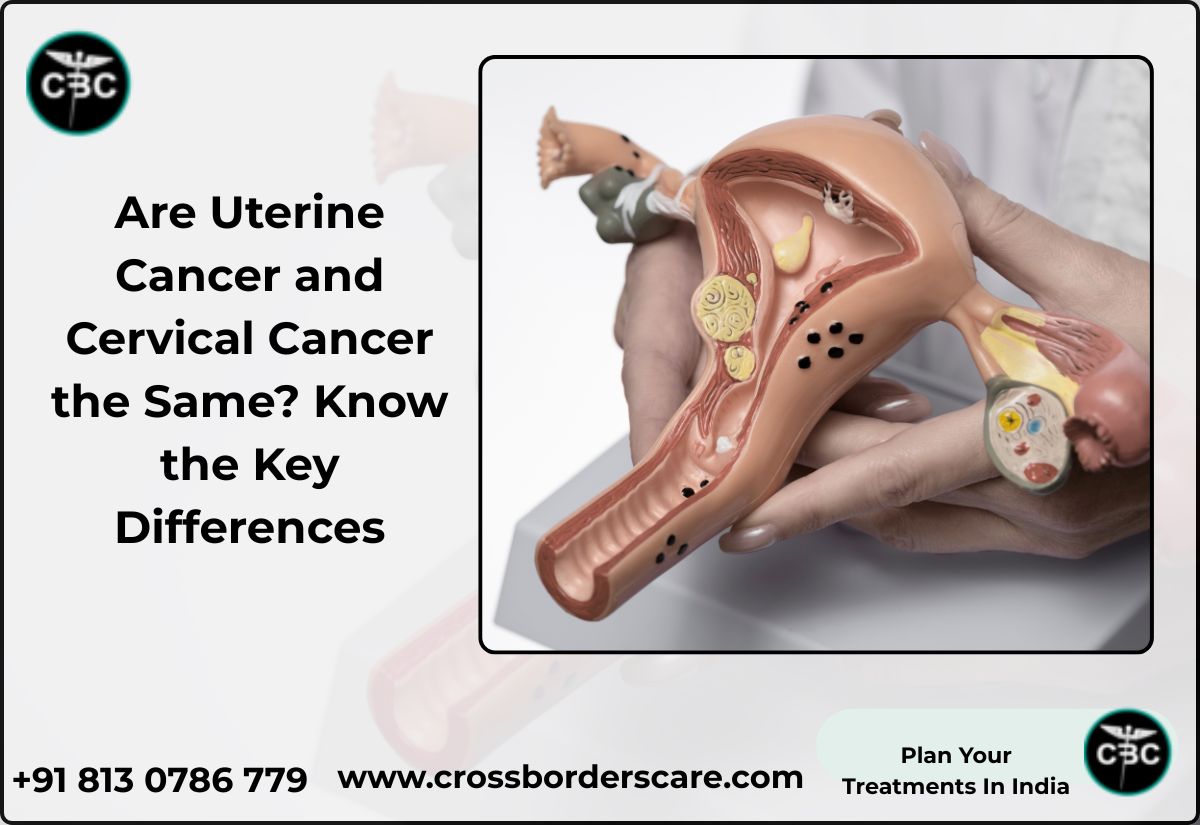
Are Uterine Cancer and Cervical Cancer the Same? Know the Key Differences

When it comes to women’s cancer care in India, two of the most commonly misunderstood types are uterine cancer and cervical cancer. Though both occur in the female reproductive system, they are not the same. These two cancers differ in their origin, symptoms, risk factors, diagnostic methods, and treatment approaches. Understanding their distinctions is critical for early detection, accurate diagnosis, and effective cancer treatment in India.
As your trusted partner in healthcare, Cross Border Care, India’s best medical consultant, brings you clarity on this crucial topic so you can make informed decisions for yourself or your loved ones.

Uterine Cancer Vs Cervical Cancer

Origin
Uterine Cancer (Endometrial Cancer):

Uterine cancer originates in the endometrium, the inner lining of the uterus. This lining thickens monthly in preparation for pregnancy and sheds during menstruation. Abnormal cell growth in this lining leads to uterine cancer. Contact us today for uterine cancer treatment in India.

Cervical Cancer:

Cervical cancer begins in the cervix, the lower part of the uterus that connects to the vagina. It usually develops from persistent infection with high-risk human papillomavirus (HPV). The transformation zone of the cervix, where two types of cells meet, is where cervical cancer typically starts.

Recognizing the Symptoms
Though some symptoms overlap, knowing what to look for can guide early diagnosis and improve outcomes for cancer treatment in India.

Symptoms of Uterine Cancer:

  • Unusual vaginal bleeding, especially after menopause
  • Bleeding between periods
  • Pelvic pain
  • Unexplained weight loss

Symptoms of Cervical Cancer:

  • Abnormal bleeding after intercourse or menopause
  • Watery or bloody vaginal discharge
  • Pain during sex
  • Pelvic discomfort

The best oncologists in India emphasize that being alert to these warning signs and seeking medical evaluation early can lead to a timely diagnosis and better prognosis.

Understanding Risk Factors

While both cancers share some risk factors, there are unique contributors to each:

Cervical Cancer Uterine Cancer
HPV infection Obesity
Multiple sexual partners  Hormone replacement therapy
Smoking Older age/postmenopause
Weakened immunity Family history of uterine cancer

Preventive steps like HPV vaccination, safe sexual practices, and maintaining a healthy weight can reduce the risk of both.

How Are They Diagnosed?

Cervical Cancer Diagnosis:

  • Pap Smear: Detects abnormal cervical cells before they become cancerous.
  • HPV Testing: Identifies high-risk strains of HPV.
  • Colposcopy and Biopsy: Provides a closer look at the cervix and confirms the diagnosis.

Uterine Cancer Diagnosis:

  • Endometrial Biopsy: Collects tissue from the uterine lining for testing.
  • Transvaginal Ultrasound: Measures endometrial thickness.
  • Dilation and Curettage (D&C): Samples more tissue if needed.

Regular screenings and early check-ups at leading cancer hospitals in India can make a significant difference in outcomes.

Treatment Options in India

Uterine Cancer Treatment in India

  • Surgery (Hysterectomy): Surgical removal of the uterus is the most common and effective treatment for early-stage uterine cancer.
  • Radiation Therapy: High-energy rays are used to destroy cancer cells or shrink tumors in the pelvic region.
  • Chemotherapy: Cancer-killing drugs are administered to treat advanced or recurrent uterine cancer.
  • Hormone Therapy: Medications are used to block hormones that fuel the growth of certain uterine cancers.

Cervical Cancer Treatment in India

  • Surgery (e.g., cone biopsy, trachelectomy): Surgical options remove cancerous tissue and preserve fertility in early-stage cervical cancer.
  • Radiation and Chemotherapy: Often used together to treat locally advanced cervical cancer or after surgery to prevent recurrence.
  • Targeted Therapy: Advanced drugs target specific cancer cells without harming surrounding healthy tissue.
  • Stage-Based Approach: Early stages may only need surgery, while later stages require a combination of treatments for effective results.

Prognosis and Prevention
Uterine Cancer Prognosis:

If diagnosed early, the five-year survival rate is about 80–90%. The chances decline in advanced stages.

Cervical Cancer Prognosis:

Early detection has a cure rate of over 90%, but late-stage diagnosis can be challenging to treat effectively.

Preventive Tips:

  • For Uterine Cancer: Maintain a healthy weight, control diabetes, and manage hormones wisely.
  • For Cervical Cancer: Get vaccinated for HPV and go for routine Pap smears and HPV tests.

Consult Cross Border Care Today

If you’re searching for expert care in gynecologic cancers, look no further than Cross Border Care, the best medical consultants in India. We will connect you to top cancer treatment hospitals in India. If you want affordable cancer treatment in India, contact us now!!

Categories
Uncategorized

How to travel to India for medical treatment?

Welcome to India — a global hub for affordable, high-quality healthcare. Every year, thousands of international patients travel to India for advanced treatments, experienced doctors, and modern hospitals — all at a fraction of the price they’d pay back home. Whether you’re seeking surgery, wellness therapies, or specialized treatments, India offers a seamless blend of medical expertise and warm hospitality. In this guide, we’ll walk you through everything you need to know about traveling to India for medical treatment — from visas and documentation to choosing the right hospital with Cross Border Care by your side.

If you or any of your family members is willing to travel to India, you have to follow these steps: 

Step 1: Get Price Quote 

Before traveling to India, it is important to know the cost and details of the treatment you are planning to get. This will help you make the necessary arrangements in place before you leave your country. 

For this, you will need to send us your latest medical reports from an experienced medical facility in your country. We at Cross Border Care are a registered medical company in India that is associated with all the top hospitals in India as well as top doctors in India. 

When you get a quotation from us, you get the best possible prices, the best hospital, and the best team of doctors who will make sure that you are treated properly. You can send your reports to our official whats app number : 

When you send us the reports, you will get a detailed reply from us and call us for any further clarifications. 

Step 2: Send Passport Copies for medical visa.

Once you have a price quote for the treatment, the budget hotel near the hospital and you are ready to move ahead with us, you need to send us the passport copy of the patient who needs treatment and the attendant accompanying the patient. 

It is not mandatory for a patient to fly with an attendant, but if you are coming to India for surgery, you must bring an attendant along. Once we get the passport copies, we will issue a medical visa invitation letter through which you can apply for e visa. 

When you receive the letter from us, you will need to apply for the medical visa directly from the Indian Embassy’s website and select 4—e-Medical Visa.

You can also click on “Countries/Nationalities who are eligible to avail eVisa” to check your country’s name.

Step 3: Visa Approval and Flight Ticket Booking 

A medical visa is issued in 1 to 2 working days. Keep an eye on your mailbox, and once you have your visa, you can book your flight tickets. Once you book your flight tickets, send us a picture of the same so that we can arrange your pick up from the airport. 

You can keep in touch with us on the whats app number —- so that you can get our assistance anytime anywhere. 

Step 4: You will be received by us and assisted at all steps

Our team representative will be at the airport to receive you, and you will be dropped off at your hotel. You will be given a SIM card and a translator if required. The team, under the supervision of Dr Nadeem Khan, will expedite your process regarding hospital visits and doctor appointments. 

Step 5: Begin Your Treatment with Full Support

Once you’re settled in, your treatment journey officially begins. From pre-surgical consultations to post-treatment recovery, our team ensures that you’re guided at every step. We coordinate directly with hospital staff and doctors in India to make sure you receive timely care without unnecessary delays. Whether it’s a major surgery, a follow-up consultation, or a wellness therapy, your care will be prioritized and personalized.

Step 6: Post-Treatment Support & Departure

After your treatment is completed, our support doesn’t end there. We help manage follow-up care, provide medical summaries and reports, assist with medications, and ensure you’re fit to fly back. If you need extended recovery time or additional procedures, we’re right here to assist and guide you.

Our goal is to make sure your entire stay in India — from arrival to discharge and departure — is smooth, safe, and satisfying.

Why Choose Cross-Border Care?

Choosing the right facilitator can make or break your medical journey. At Cross Border Care, we don’t just connect you to hospitals — we become your trusted partner throughout the process. Here’s why thousands of international patients choose us:

✅ Verified tie-ups with top hospitals in India  and surgeons across India

✅ Transparent pricing with no hidden charges

✅ Personalized care plans tailored to your needs

✅ 24/7 assistance in your native language

✅ Airport pickup, SIM card, translator, and accommodation support

✅ Visa guidance and real-time updates


Whether you’re seeking cardiac surgery, organ transplant, IVF, cancer treatment, orthopedic procedures, cosmetic surgery, or Ayurveda therapies — Cross Border Care is your gateway to India’s finest healthcare.

Categories
Brain Surgery

Tetralogy of Fallot (TOF) Surgery in India vs. Bangladesh: A Comparative Analysis

Tetralogy of Fallot (TOF) is a congenital heart defect that requires surgical intervention. Both India and Bangladesh offer medical facilities for TOF surgery, each with its own set of hospitals, specialists, and cost structures. This comparative analysis aims to provide a detailed overview of TOF surgery in both countries, focusing on hospitals, doctors, and associated costs.

Understanding Tetralogy of Fallot Surgery  in India (TOF)

TOF is a rare but serious congenital heart defect characterized by four anatomical abnormalities in the heart:

  1. Pulmonary stenosis – Narrowing of the pulmonary valve reduces blood flow to the lungs.
  2. Ventricular septal defect (VSD) – A hole between the heart’s ventricles allows oxygen-poor and oxygen-rich blood to mix.
  3. Overriding aorta – The aorta is positioned over both ventricles instead of just the left ventricle, leading to mixed oxygenated and deoxygenated blood.
  4. Right ventricular hypertrophy – Thickening of the right ventricle’s wall due to increased workload.

TOF Surgery in India is the only definitive treatment, typically performed in infancy or early childhood, though in some cases, it may be delayed until later in life.

TOF Surgery in India: Restoring Little Hearts, Transforming Lives 

India has established itself as a global hub for complex cardiac surgeries, including TOF repairs. With world-class infrastructure, internationally trained surgeons, and cost-effective treatments, India attracts numerous international patients seeking pediatric cardiac care.

Top Hospitals for TOF Surgery in India

Top Hospital in India Notable Surgeon 

Cost of TOF Surgery in India

The cost of TOF surgery in India varies depending on the hospital, the surgeon’s experience, and the complexity of the case.

Hospital Category Estimated Cost (USD)
Government Hospitals $2,000 – $4,000
Private Hospitals $3,800 – $8,500
Premium Hospitals $10,000+

Why Choose India for TOF Surgery?

  • Highly Experienced Surgeons: Many Indian cardiac surgeons have trained internationally.
  • Affordable Treatment: Costs are significantly lower compared to Western countries.
  • Advanced Technology: Hospitals are equipped with state-of-the-art technology and infrastructure. 
  • High Success Rates: The success rate of TOF surgery in India is over 95% in infants.
  • Medical Tourism Facilities: Many hospitals offer international patient support, including visa assistance and accommodation.

TOF Surgery in Bangladesh

Bangladesh has seen significant progress in its healthcare sector over the last decade. Several hospitals in Dhaka and other major cities now offer TOF surgery in Bangladesh but with less competent surgeons and few improved facilities.

Top Hospitals for TOF Surgery in Bangladesh

Hospital Name  Notable Surgeon
Square Hospital  Dr. Md. Akhtanur Rahman Joarder
Ibrahim Cardiac Hospital Dr Sahela NASRIN
Ship International Hospita Dr NA Kamrul

Cost of TOF Surgery in Bangladesh

The cost of TOF surgery in Bangladesh varies based on the hospital category and associated medical expenses.

Hospital Category Estimated Cost (USD)
Government Hospitals $2,000 – $3,500
Private Hospitals $3,500 – $8,000
Premium Hospitals $9,000+

India vs. Bangladesh: A Direct Comparison

Factor India Bangladesh
Hospital Infrastructure World-class facilities, JCI-accredited hospitals Developing hospitals with improving facilities
Surgeon Expertise Many internationally trained cardiac surgeons Growing expertise with local training
Cost of Surgery $3,800 – $8,500 on average $3,500 – $8,000 on average
Success Rate 95%+ 85-90%
Availability of Advanced Technology Robotic surgery, ECMO, advanced ICU care Basic to moderate-level ICU facilities
Medical Tourism Facilities Visa assistance, translator services, international patient support Limited support for international patients
Government Schemes & Aid Ayushman Bharat & other schemes for financial aid Limited financial support programs

Challenges & Considerations

While both countries provide TOF surgery, there are challenges associated with each:

Challenges in India

  • High demand leads to long waiting times at government hospitals but not in private hospitals.
  • Premium hospitals may be expensive for international patients without medical insurance.
  • Visa processing for medical tourists can be time-consuming, but Cross border Care makes it easy for you. 

Challenges in Bangladesh

  • Limited expertise and availability of pediatric cardiac surgeons compared to India.
  • Fewer hospitals specialize in complex TOF cases.
  • Limited government support for advanced cardiac care.

Final Verdict: Which Country is Better for TOF Surgery?

If cost is the primary concern and the patient is based in Bangladesh, undergoing surgery locally might be a feasible option. However, if the priority is top-tier medical expertise, advanced technology, and a higher success rate, India emerges as the better choice.

For Bangladeshi patients seeking better outcomes, traveling to India for TOF surgery remains a preferred option, especially considering the affordability and quality of care. Indian hospitals also provide comprehensive post-operative care, reducing the risk of complications.

Conclusion

Tetralogy of Fallot is a serious congenital condition that requires timely intervention. Both India and Bangladesh offer TOF surgery, but India stands out in terms of infrastructure, surgeon expertise, and overall success rates. Patients from Bangladesh often travel to India for superior medical care, leveraging India’s advanced healthcare ecosystem. While Bangladesh is making strides in pediatric cardiac care, India remains the preferred destination for complex heart surgeries like TOF.

For international patients seeking the best medical care, India remains a top destination for advanced treatments, skilled specialists, and world-class healthcare facilities. With seamless support by CRoss-border Care, patients can access cutting-edge medical solutions, ensuring better outcomes and a higher quality of life.

Categories
Uncategorized

Menopause and Breast Cancer Treatment in India: Understanding the Connection

Menopause is a significant transition in the life of a woman. The risk of breast cancer is associated with menopause. As women approach the age of menopause, it becomes essential to understand breast health. This blog by Cross Border Care, the best treatment consultant company in India, will focus on managing breast cancer concerns during this crucial stage. Let us know more about breast cancer treatment in India

Breast Cancer India: Expert Breast Cancer Care, Beyond Borders

Menopause is the end of the reproductive phase of a woman, accompanied by a decline in the production of hormones like estrogen and progesterone.  According to the breast cancer department in India, these hormonal shifts can significantly impact the breast tissues and hence cause breast cancer. Awareness among women about managing their health during this phase is highly essential. 

How Menopause Affects Hormones and Breast Health

Hormonal Changes During Menopause

Menopause is a natural transition that brings a significant decline in estrogen and progesterone levels. These hormones are essential for maintaining various body functions, including the health of breast tissue. As their production decreases, women may experience noticeable changes in their breasts.

Impact on Breast Density and Cancer Screening

The reduction in estrogen can lead to a decrease in breast density, which may affect mammogram results. Lower density can make it challenging to interpret screenings, potentially delaying the detection of abnormalities. This is why regular breast health check-ups are essential during and after menopause.

Changes in Breast Appearance and Texture

Hormonal shifts during menopause can cause breasts to lose their firmness and fullness, leading to sagging and changes in texture. Many women notice that their breasts feel softer or appear deflated due to the loss of glandular tissue and increased fatty deposits.

Breast Tenderness and Discomfort

Some women may experience tenderness or discomfort in their breasts as their bodies adjust to new hormone levels. While this is usually a normal part of menopause, it is essential to differentiate between typical changes and potential warning signs of breast health issues.

Long-Term Breast Health Considerations

Although hormone levels stabilize at a lower baseline after menopause, the risk of hormone-driven breast cancer generally decreases over time. However, hormonal changes can sometimes create an environment that promotes the growth of abnormal cells. Doctors doing breast cancer treatment in India say that staying informed about these changes, undergoing regular screenings, and consulting healthcare providers can help women take proactive steps toward maintaining their breast health.

Does menopause increase the risk of breast cancer? 

The risk of breast cancer increases with age, and since menopause occurs in the late 50s, the timings can coincide. The risk of breast cancer is affected by several other factors as well: 

  • Genetic factors
  • Lifestyle choices
  • Reproductive history

Menopause itself is not a direct cause of breast cancer, but hormonal changes that come with menopause can play a significant role in causing breast cancer among women. For example : 

  • Early onset of menopause, like at the age of 45, has been linked with less chance of breast cancer due to short exposure to estrogen hormone. 
  • On the other hand, late menopause at the age of 55 or more has been linked to an increased risk of menopause due to prolonged estrogen exposure. 

Other factors like obesity, physical inactivity, and alcohol consumption also increase the risk of breast cancer. For these, you need breast cancer treatment in India. 

Understanding these crucial points helps women assess their risk and take proactive measures to mitigate potential health concerns. To manage their risk effectively, women must engage in regular screening and adopt healthy lifestyle practices or get in touch with us as we provide the best breast cancer treatment in Delhi. 

Discussions with breast cancer doctors in India about family history and potential genetic testing can also provide valuable insights into individual risk factors. Overall, while menopause is a natural part of aging, its relationship with breast cancer risk underscores the importance of vigilant health monitoring and informed decision-making.

Breast Cancer Treatment In India: Menopause Symptoms and Breast Health Concerns

Menopause brings several symptoms that can affect the breast health of women. Changes that you can observe are : 

  • Change in breast shape and size
  • Tenderness 
  • Development of lumps and cysts

Women must understand that these changes are regular and related to fluctuations in hormones. 

However, symptoms like : 

  • Persistent pain
  • Unusual lumps
  • Nipple discharge

These are potential signs of breast cancer, and you should immediately book a consultation with a breast cancer specialist in India in this case. Regular self-examination can help women become more familiar with their breasts and notice any unusual changes at an early stage. 

Breast pain is common during menopause and is not linked with breast cancer, but any severe pain or discomfort should be evaluated immediately. 

Being proactive about breast health during menopause involves understanding which symptoms are typical and which warrant further investigation.

Open communication with healthcare providers can help address any concerns and ensure appropriate screening and diagnostic procedures are followed. Maintaining a healthy lifestyle, including a balanced diet and regular exercise, can support overall breast health during menopause

Emotional and psychological support may also be beneficial as women navigate the physical changes that occur during this life stage. Education and awareness about typical menopausal symptoms versus warning signs of breast issues are key to effective breast health management.

For expert care and guidance, consult Cross Border Care. 

Risk Reduction Strategies for Post Menopausal Women

  • Adopt a healthy lifestyle. Maintain a healthy weight and engage in regular physical activities. Eat a balanced diet that includes fruits, vegetables, and whole grains. 
  • Reduce alcohol consumption and avoid smoking also. 
  • Women should focus on stress management techniques like practicing yoga and meditation. 
  • Increase your intake of soy products or omega-3 fatty acids.
  • Discuss if Vitamin D supplements are safe for you or not. 
  • Women should aim for at least 150 minutes of moderate exercise per week, such as brisk walking or cycling. 
  • Participate in regular health screenings and maintain open communication with healthcare providers.

Women who actively engage in risk-reduction strategies can enhance their overall well-being and reduce the likelihood of developing breast cancer. Education about risk factors and preventive measures empowers women to take control of their health during menopause and beyond.

Choose Cross Border Care for the Best Breast Cancer Consultations in India

Menopause brings significant changes to a woman’s body, including potential breast health concerns. Understanding the link between hormonal shifts and breast cancer risk is crucial for making informed healthcare decisions. Regular screenings, a healthy lifestyle, and expert medical guidance from breast cancer doctors in India can help women manage their breast health effectively during and after menopause.

For international patients seeking top-tier breast cancer treatment in IndiaCross Border Care offers seamless access to leading oncologists and world-class medical facilities. Our expert team ensures personalized consultations and advanced treatment options. Book your consultation today and take a proactive step towards better breast health!

Categories
Brain Surgery

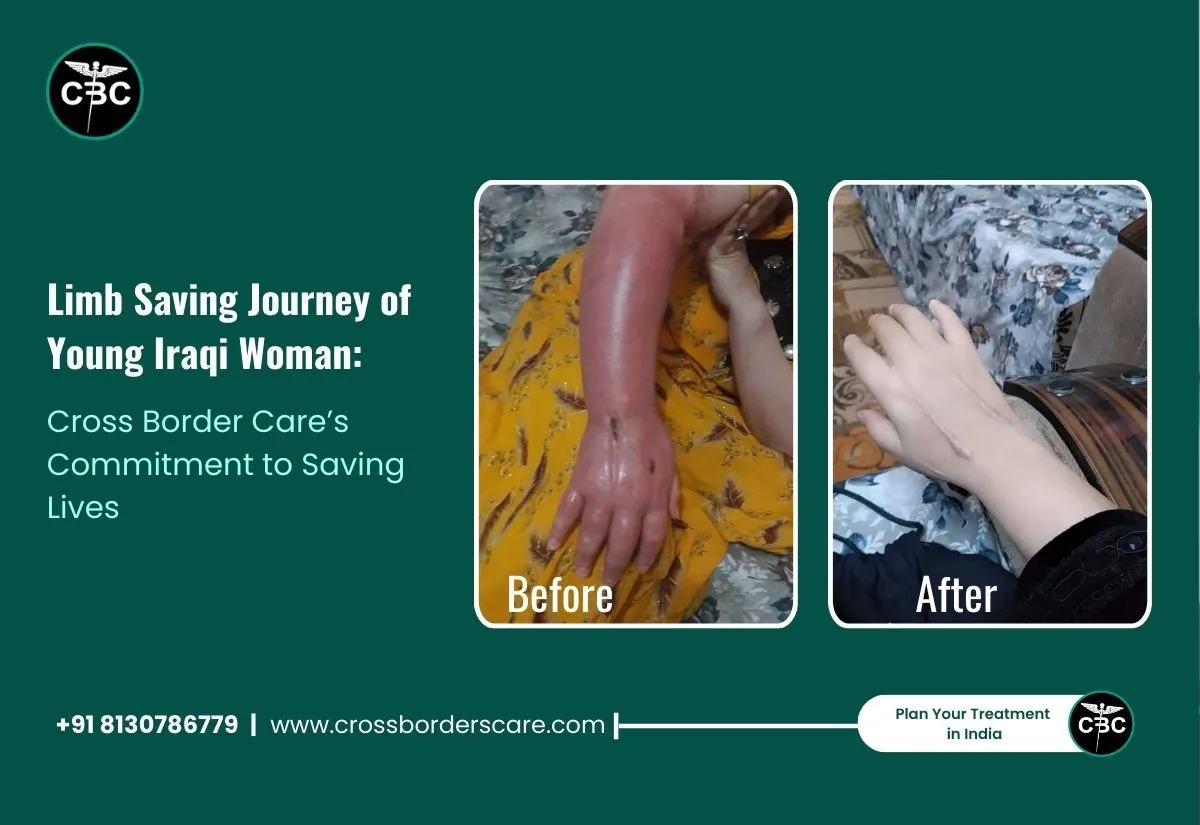
Limb-Saving Journey of Young Iraqi Woman: Cross Border Care’s Commitment to Saving Lives

In the bustling streets of Iraq, a young woman lived a simple yet fulfilling life as a tailor. Her hands were her livelihood, weaving dreams into reality for her customers. But one day, those very hands that brought beauty into the world became the source of her deepest despair. She developed swelling in her hand due to trauma from a fall. The local doctors decided to amputate her hand.  What started as a minor swelling in the fingers of her right hand quickly turned into a condition that threatened to take not just her career but her very identity. 

This is the story of how Cross Border Care, India’s top medical consultants, helped her reclaim her life against all odds and save her hand. 

The Onset of a Mystery Hand Swelling

The first sign of trouble appeared as a slight puffiness on the fingers of her right hand. At first, it seemed minor, something that would go away on its own.. However, the swelling persisted and began to spread, eventually covering her entire right hand. The redness, swelling, discomfort, and restricted movement scared her, due to which she began consulting the local doctors in Iraq. 

The initial diagnosis was cellulitis, a bacterial skin infection often marked by swelling, redness, and warmth in the affected area. The doctors immediately started aggressive treatment, prescribing heavy antibiotics and making surgical incisions to reduce the edema. Despite these interventions, her condition only worsened. Months passed, and the swelling increased, leaving her hand immobile and in constant pain.

Unable to move her fingers or perform basic tasks, she found herself disabled. Her career as a tailor came to an abrupt halt, and her confidence began to shatter.. The local doctors had no answers. In a desperate move, they suggested amputation as the only viable option to prevent further complications. For a young woman whose hands were her livelihood, this was a devastating option. 

A Ray of Hope: Turning to Cross-Border Care

With her dreams and future hanging in the balance, she decided to seek help beyond her country’s borders. Through recommendations and research, she discovered Cross Border Care, a renowned medical consulting company in India known for connecting international patients to the best medical hospitals and doctors in India. Clinging to hope, she reached out to us, and her journey toward recovery began.

Upon her arrival in India from Iraq, Cross Border Care director, Dr Nadeem Khan, wasted no time in reviewing her case. He meticulously compiled her medical history and arranged for her consultation with a general surgeon at Indrapratha Apollo Hospital in Delhi. The initial diagnosis of cellulitis was revisited during her clinical examination. However, something didn’t add up. While the swelling and redness were present, two critical symptoms of cellulitis were missing: fever and the characteristic warmth of the affected area.

Uncovering the Truth: A Comprehensive Diagnosis

Recognizing the need for a deeper investigation, the Cross Border Care and Apollo Hospital team initiated a series of diagnostic tests to uncover the true cause of her condition. A series of tests, including blood work and imaging studies, was conducted to rule out potential causes of unilateral hand edema. Additionally, a lymphoscintigraphy test was performed to evaluate her lymphatic system.

Within two days of her hospital stay, the results were discovered: she was not suffering from cellulitis but from lymphedema, a condition caused by the accumulation of lymphatic fluid in the tissues, leading to swelling. This misdiagnosis had cost her months of unnecessary treatment and immense suffering. However, with the correct diagnosis in hand, a simple yet effective treatment plan was devised.

The Path to Recovery

The treatment for lymphedema did not involve invasive surgeries or heavy medications. Instead, it relied on pressure stockings and physiotherapy—a stark contrast to the treatment she had been receiving in Iraq. The pressure stockings helped reduce the swelling by promoting lymphatic drainage, while physiotherapy restored mobility and strength to her hand.

Under the guidance of DR. DEEPAK GOVIL and the Cross Border Care team, her progress was closely monitored. Over the following weeks, the swelling subsided, her fingers regained mobility, and the pain reduced. For the first time in months, she could use her hand again. The first thing she did was sew a dress for herself, a poignant symbol of reclaiming her life and independence.

A Second Chance at Life

The transformation was nothing short of a miracle.  The young woman, who had been on the brink of losing her hand, was now back to her craft, stitching garments with the same passion and precision as before. She expressed her profound gratitude to Dr. Mukharjee and Dr Nadeem Khan who not only saved her hand but also restored her livelihood.

This journey was more than just a medical success; it was a testament to the power of accurate diagnosis, timely intervention, and compassionate care. For the young tailor, it was a second chance at life, one she embraced wholeheartedly.

The Role of Cross-Border Care

This inspiring story highlights the pivotal role played by Cross Border Care in connecting patients with world-class medical expertise in India. Their patient-centric approach ensures that every case is treated with the utmost urgency and attention to detail. From arranging consultations and diagnostics to promoting seamless communication between patients and Indian doctors, Cross Border Care goes above and beyond to deliver life-changing outcomes.

In this particular case, their dedication to uncovering the truth behind the young woman’s condition made all the difference. 

Why Cross-Border Care Stands Out? 

  1. Expert Partnerships: Cross Border Care collaborates with India’s leading hospitals and specialists to provide patients with the best possible care.
  2. Comprehensive Services: From visa assistance to accommodation and post-treatment follow-ups, we handle every aspect of the patient’s journey.
  3. Personalized Care: Each case is treated uniquely, with tailored solutions that address the specific needs of the patient.
  4. Quick Turnaround: our efficient processes ensure that patients receive timely diagnoses and treatments, minimizing delays.
  5. Cost-Effective Solutions: Cross Border Care ensures access to world-class healthcare at a fraction of the cost compared to many other countries.

A Message of Hope

For anyone facing complex medical challenges, this story serves as a beacon of hope. It underscores the importance of seeking second opinions and exploring advanced medical options. With organizations like Cross Border Care, patients from around the world can access life-saving treatments and reclaim their lives.

The young tailor’s journey from despair to recovery is a reminder that with the right support, expertise, and determination, no challenge is achievable. Today, she continues to work with renewed vigour, creating beautiful garments and inspiring everyone around her with her resilience.