

What Really Happens During a Pediatric Bone Marrow Transplant in India?
When a doctor tells you that your child needs a bone marrow transplant, life changes…

When a doctor tells a family that a liver transplant is the next step, the surgery itself is only one part of what they have to prepare for. For an international patient planning a liver transplant in India, there are several other questions that need answers before booking a flight.
These questions matter because a liver transplant in India cannot simply be booked like a regular surgery. The recipient and donor must undergo medical evaluation, donor compatibility has to be established, legal documents have to be checked, and the transplant must receive the required authorisation before surgery can proceed.
India has developed considerable experience in solid-organ transplantation. Indraprastha Apollo Hospital in India performed India’s first successful liver transplant cost in 1998, and the Apollo Institute of Liver Transplant in New Delhi has treated thousands of international patients from more than 50 countries.
For families travelling from Africa, CIS countries and other parts of the world, understanding the entire journey before travelling to India can prevent unnecessary delays.
A liver transplant is the last resort if the patient’s liver is no longer able to perform normal functions properly. Common symptoms include:
The timing of transplantation is important. The existing clinical information notes that outcomes depend partly on how early transplantation is performed and reports that a success rate of around 94% may be achieved in appropriate cases.
However, an individual patient’s expected outcome cannot be decided from a general percentage. The transplant team needs to review the diagnosis, liver function, overall medical condition and donor availability before advising surgery.
For many patients, a living healthy family donor is the most feasible option.In a living-donor liver transplant, only a portion of the healthy donor’s liver is removed and transplanted into the recipient.
Depending on the recipient’s requirement and size matching, approximately:
A liver graft may also come from a brain-dead or deceased donor, although availability and the process are different from a planned living-donor transplant.
| Type of Donor | Identity Proof | Recipient |
| 1st Degree Related | Attested photocopy of passport | Attested photocopy of passport |
| Distant Related or Distant Relative | Attested photocopy of valid Medical Visa | Attested photocopy of valid Medical Visa |
| Spousal | National Identity card | National Identity card |
| Donor close relative | 10 copies of passport-size photographs | 10 copies of passport size photographs |
| Type of Donor | Family Proof | Recipient |
| 1st Degree Related | Family photographs
Attested documents establishing family relation with recipient HLA typing report signed by HLA/ DNA laboratory incharge. This will be repeated again in India. |
Family photographs
Attested documents establishing family relation with recipient HLA typing report signed by HLA/ DNA laboratory in charge. This will be repeated again in India. |
| Distant Related or Distant Relative | Family photographs
Attested documents establishing relation with recipient |
Family photographs
Attested documents establishing relation with recipient |
| Spousal | Marriage albums
Attested Marriage certificate Consent affidavit (Spouse and parents) |
Marriage albums
Attested Marriage certificate |
| Donor close relative | Family photographs
Attested documents establishing family relation with donor |
Family photographs
Attested documents establishing family relation with donor |
| Type of Donor | Income Proof | Not required |
| 1st Degree Related | Not required | Not required |
| Distant Related or Distant Relative | Proof of income for last 3 years | Proof of income for last 3 years |
| Spousal | Not required | Not required |
| Donor close relative | Not required | Not required |
The other family members apart from the first degree members fall under the category of unrelated donors. They should carry the below mentioned additional documents in addition to the documents mentioned in the General Check List.
A liver transplantation in India is not scheduled immediately after a patient reaches the hospital. Both the recipient and donor have to undergo medical evaluation, compatibility testing and legal approval before the transplant can proceed. Here is how the process generally moves from the first medical review to surgery:
| Step 1 – Medical Report Review | The transplant team reviews the patient’s available medical reports, diagnosis and medical history to assess the case and determine whether liver transplantation should be considered. |
| Step 2 – Pre-Transplant Work-Up | Both the recipient (patient) and proposed donor undergo a detailed pre-transplant work-up. The recipient is evaluated for fitness for transplantation, while the donor undergoes a separate assessment to determine suitability for liver donation. |
| Step 3 – Donor Compatibility Assessment | The transplant team assesses whether the proposed donor is medically compatible and suitable to donate a portion of the liver to the recipient. |
| Step 4 – Submission of Documents | Once the medical assessment is completed, the patient and donor submit the necessary documents required for transplant approval. International patients should ensure that relationship, identity and other required documents are properly prepared and attested. |
| Step 5 – Case Sent to the Transplant Committee | The completed case, including the required medical and legal documents, is forwarded to the transplant committee for review and approval. |
| Step 6 – Authorization Committee Approval | The Authorization Committee reviews the case and grants permission if all requirements are fulfilled. Approval may take approximately 2–4 weeks after all necessary documents have been submitted. |
| Step 7 – Liver Transplant Surgery | After the required approval is received and the transplant team gives medical clearance, the patient undergoes liver transplant surgery. In a living-donor transplant, donor and recipient surgeries are planned in coordination with each other. |
To connect with any of the doctors mentioned above for your liver transplant surgery in India, contact Cross Border Care now.
Top liver transplant hospitals in India are :
Based on the reports, the hospital may provide:
Once you decide to proceed, Cross Border Care coordinates with the selected hospital for your appointment and admission planning and assists with supporting documents required for medical travel. After arrival in India, the patient and donor undergo detailed evaluation at the hospital before the transplant team makes the final decision regarding eligibility and surgery.
This process allows you to understand the hospital, expected treatment plan, approximate cost and next steps before travelling to India, instead of arriving without a clear plan.
We are here at every step of your liver transplant in India.
The cost of CIS (Uzbekistan, Tajikistan, Kyrgyzstan etc.) countries is less than the rest of the world due to its high volume of patients. Following is the cost of liver transplant surgery in top Indian hospitals:
| S.No. | Hospital Name | Cost in USD |
| 1 | Apollo Hospitals (JCI accredited) | 26000 |
| 2 | Max Hospital (JCI accredited) | 19000 |
| 3 | Fortis Hospital (NABH accredited) | 22000 |
| 4 | Max Jaypee Hospital (NABH accredited) | 19000 |
| 5 | Medanta the Medicity (JCI accredited) | 27000 |
| 6 | Manipal Hospital | 23000 |
| S.No. | Hospital Name | Cost in USD |
| 1 | Apollo Hospitals (JCI accredited) | 32000 |
| 2 | Max Hospital (JCI accredited) | 24000 |
| 3 | Fortis Hospital (NABH accredited) | 26000 |
| 4 | Max Jaypee Hospital (NABH accredited) | 23000 |
| 5 | Medanta the Medicity (JCI accredited) | 27000 |
| 6 | Manipal Hospital | 26000 |
When you choose to get liver transplant surgery in India with us, following things are included in the package:
The above package strictly covers only the Liver Transplant Procedure and will not include
Please Note: Unmatched blood group patients (ABO incompatible) will have to undergo plasma exchanges cycles (plasmapheresis). Generally it will cost around 10000 USD extra.
An ABO-compatible liver transplant in India is performed when the donor’s blood group is compatible with the recipient’s blood group. Because the recipient’s immune system is less likely to react against the donor’s blood-group antigens, the transplant can generally proceed with the standard pre-transplant preparation and immunosuppression protocol.
An ABO-incompatible liver transplant may be considered when a suitable living donor is available, but their blood group is not compatible with the recipient. In selected cases, transplantation may still be possible with additional medical preparation to reduce the risk of antibody-mediated rejection.
An ABO-incompatible liver transplant surgery in India usually involves additional treatment before and sometimes after surgery. Depending on the patient’s condition and the hospital’s protocol, this may include antibody-titer testing, plasmapheresis or other antibody-reduction procedures, medicines such as rituximab, additional immunosuppression, and closer post-transplant monitoring.
These extra procedures, medicines, investigations, and monitoring increase the overall cost compared with an ABO-compatible liver transplant. The exact additional cost depends on the patient’s antibody levels, number of treatment sessions required, and the transplant centre’s protocol.
International patients should avoid booking their flight immediately after receiving an initial transplant recommendation. A liver transplant surgery cost in India requires advance medical review, donor assessment, document preparation and regulatory approval.
Before travelling to India, the patient should ideally complete these steps:
An initial review helps the family understand whether the patient is a potential transplant candidate and whether the proposed donor appears suitable. However, final transplant and donor approval is given only after detailed evaluation in India.
The liver transplant hospital in India will usually ask for the recipient’s latest medical records before providing an initial opinion. Depending on the patient’s condition, these may include:
If a living donor has already been identified, the hospital may also request the donor’s age, blood group, basic medical history and available test reports.
The exact investigations required are decided by the transplant team after reviewing the case.
Yes. A proposed donor may appear suitable during the initial report review but may still be found unsuitable during the detailed donor evaluation in India.
The donor undergoes extensive testing to ensure that donation is safe for both the donor and recipient. A donor may not be accepted because of factors such as:
Therefore, families should understand that preliminary donor acceptance is not the same as final donor clearance.
If the proposed donor is found unsuitable, the transplant team will explain whether another eligible family donor needs to be evaluated.
For a planned living-donor liver transplant, the recipient and proposed donor generally need to travel to India together for evaluation and one attendant as a mandatory requirement.
Depending on the donor relationship and the documents required for Authorization Committee review, the presence or documentation of a close family member may also be necessary.
International patients should confirm with the hospital or transplant coordinator who must be physically present in India before booking tickets.
All original identity and relationship documents should also be carried because they may need to be produced during the authorization process.
International patients travelling to India for liver transplantation generally need to arrange the appropriate medical travel visa, while accompanying persons may require the corresponding attendant or other applicable visa category.
The exact visa requirement depends on nationality and current Indian immigration rules.The selected hospital may provide supporting documents such as:
The patient and donor should make sure that their names, passport details and medical documents are consistent across all submitted paperwork.
Because visa requirements can vary by country and change over time, patients should confirm the latest requirements with the relevant Indian Embassy, High Commission or official visa authority before travelling.
A liver transplant is not usually performed immediately after the patient arrives in India.After arrival, several steps may still be required, including:
Recipient evaluation → Donor evaluation → Compatibility assessment → Document verification → Authorization Committee review → Medical clearance → Surgery
The Authorization Committee process itself may take approximately 2–4 weeks after complete documentation is submitted, depending on the case and whether additional clarification is required.
Families should therefore avoid planning the transplant around a fixed surgery date until the hospital has completed the necessary medical and regulatory process.
The liver transplant package quoted by a hospital should not automatically be considered the complete cost of the patient’s India trip.
Your current package section covers hospital stay, transplant-related investigations, surgical team fees, medicines, consumables and consultant visits within the stated package limits.
However, the family should also keep a separate budget for expenses that may fall outside the standard package, such as:
Your existing package also specifically excludes extended stay, complications, some special medicines, DNA testing and legal documentation.
Patients should therefore ask for both a transplant package estimate and a realistic overall travel-and-treatment budget before leaving their home country.
Discharge from the hospital does not necessarily mean that an international patient can immediately return home.
After a liver transplant, the recipient usually needs regular:
Many uncomplicated recipients may remain hospitalized for around 2–3 weeks, although the exact duration varies.After discharge, the transplant team may advise the patient to stay near the hospital for additional follow-up before travelling internationally.
For this reason, international families should arrange accommodation that can be extended if required rather than booking only for a fixed number of days. Cross Border care helps in this.
It is usually better to keep the return journey flexible.
Recovery after liver transplantation in India varies considerably between patients. The recipient may require additional monitoring or treatment before being considered medically fit for a long international flight.
The patient should return home only after the treating transplant team is satisfied with:
The living donor should also obtain medical clearance before flying home.
International patients may need to remain in India for several weeks, often around 6–8 weeks or longer depending on recovery and the approval process.
Liver transplant care continues long after the patient leaves India.
The transplant team may ask the patient to undergo regular blood tests in their home country and share the results for review. Follow-up requirements vary according to the patient’s condition and the hospital’s protocol.
The patient should maintain contact with both:
Follow-up may include monitoring of liver function, kidney function, blood counts and immunosuppressant medication levels.
Cross Border Care can help coordinate communication between the patient and treating hospital, including sharing follow-up reports and arranging online consultations where required.
For an international patient, completing medical evaluation and regulatory formalities in another country can be difficult. Cross Border Care acts as a coordination partner between the patient and the treating hospital.
The team will help collect and share medical records for initial review, coordinate consultations with transplant specialists, explain the expected treatment pathway, assist with required documentation and hospital appointments, and support travel, accommodation and interpreter requirements.
After arrival in India, Cross Border Care can also coordinate investigations, hospital visits and communication between the family and treating team. Following discharge, it can help the patient stay connected with the hospital for reports and follow-up consultations after returning home.
The transplant surgeon, registered liver transplant hospital in India and competent transplant/Authorisation Committee remain responsible for medical eligibility, donor approval and final permission for transplantation. Cross Border Care facilitates the journey—it does not influence or bypass any medical or legal approval process.
Liver transplant has a high success rate when performed in appropriately selected patients at an experienced transplant centre. Many centres report one-year survival rates of around 85–90% or higher, although outcomes vary depending on the patient’s age, severity of liver disease, other medical conditions, type of transplant and post-transplant complications. Your transplant team can provide a more accurate estimate after evaluating your case.
Yes. Most liver transplant recipients need to take immunosuppressant (anti-rejection) medicines for life. These medicines prevent the immune system from attacking the transplanted liver. The dose is usually higher immediately after transplantation and may be gradually reduced by the transplant doctor.
A liver transplant in India can be performed using a liver from a living donor or a deceased donor. In a living-donor liver transplant, a healthy and medically suitable person donates a portion of their liver. In deceased-donor transplantation, the liver is donated after death according to applicable organ-donation regulations and allocation procedures.
The amount depends on the size and needs of the recipient and the donor’s liver anatomy. A left-lobe or right-lobe graft may be selected after detailed imaging and volume calculations. The transplant team ensures that enough liver remains with the donor for safe recovery while providing an adequate graft for the recipient.
Yes. The liver has a remarkable ability to regenerate. After living-donor surgery, both the portion remaining in the donor and the transplanted portion in the recipient increase in volume over the following weeks and months. However, regeneration does not mean that donation is risk-free, so donors undergo extensive evaluation before surgery.
Living liver donation is major surgery. Possible complications include bleeding, infection, bile leakage, bile-duct problems, blood clots and reactions to anaesthesia. Serious complications, including death, are rare but possible. The transplant team explains the centre-specific risks to the donor before consent.
A potential donor should be a healthy adult who voluntarily agrees to donate without pressure or financial incentive. The donor undergoes blood tests, imaging, liver-volume assessment and medical and psychological evaluation. Blood-group compatibility and the relationship between donor and recipient are also assessed according to applicable regulations. Final eligibility is decided by the transplant team and, where required, the Authorization Committee.
Yes. Living organ donation must be voluntary. A donor can withdraw consent before donation, and the transplant team should respect the donor’s decision and confidentiality.
An ABO-compatible liver transplant means that the donor and recipient have blood groups that are considered compatible for transplantation. The transplant team checks blood-group compatibility along with several other medical factors before approving the donor.
An ABO-incompatible liver transplant is a transplant between a donor and recipient whose blood groups would not normally be considered compatible. It may be possible in selected living-donor cases using special medical protocols to reduce the risk of antibody-mediated rejection.
ABO-incompatible transplantation may require additional antibody testing, medicines, antibody-reduction treatments such as plasmapheresis in selected patients, additional immunosuppression and closer monitoring. These additional treatments and investigations can increase the overall transplant cost.
In a living-donor liver transplant, the donor and recipient operations are carefully coordinated and generally overlap. The donor liver portion is removed and prepared for transplantation while the recipient surgery is underway. In a deceased-donor transplant, surgery is coordinated according to organ availability and allocation.
Usually, yes. Both are closely monitored after surgery, although the recipient generally requires more intensive monitoring. The exact duration of ICU stay depends on recovery, liver function and whether any complications develop.
Hospital stay varies from patient to patient. Many uncomplicated recipients remain hospitalized for approximately 2–3 weeks, but the stay may be shorter or longer depending on liver function, infection risk and other complications. International patients may need to remain near the transplant centre after discharge for follow-up.
Nutrition is restarted gradually after surgery. Patients may initially receive liquids or other nutritional support and progress to regular food as bowel function returns and the medical team considers it safe. The transplant dietitian may also recommend specific dietary precautions.
Rejection after a liver transplant surgery in India occurs when the recipient’s immune system identifies the transplanted liver as foreign and attacks it. Doctors prescribe immunosuppressant medicines to reduce this response. Rejection does not always mean that the transplant has failed; many episodes can be treated successfully when detected early.
Possible complications include rejection, infection, bleeding, bile-duct complications, vascular complications, kidney problems and graft dysfunction. In some patients, the original liver disease or liver cancer may also recur. Regular follow-up helps doctors identify and manage complications as early as possible.
Take all prescribed medicines exactly as instructed and attend scheduled follow-up appointments. Blood tests and imaging may be required to monitor liver function. Patients should maintain a balanced diet, follow recommended exercise and hygiene precautions, avoid alcohol unless specifically cleared by their transplant team, and contact their doctor promptly if they develop fever or other signs of infection.
Recovery differs between patients. Light activities are gradually introduced after surgery, while returning to work and more strenuous activities may take several weeks or months. Your transplant doctor will advise you based on your liver function, wound healing, strength and overall recovery.
A balanced diet with adequate protein, fruits, vegetables and whole grains is generally recommended. Some immunosuppressant medicines can contribute to weight gain, high blood sugar, high blood pressure or abnormal cholesterol levels, so patients may be advised to limit excess sugar, salt and unhealthy fats. Food-safety precautions are also important because immunosuppression increases susceptibility to infections.
International patients should generally plan for several weeks in India, and in many cases the overall stay may extend to around 6–8 weeks or longer. Time is required for recipient and donor evaluation, regulatory approvals where applicable, surgery, hospitalization and post-transplant follow-up. The exact duration should be confirmed with the hospital before travel.
The donor’s required stay depends on recovery and the transplant team’s assessment. Even after hospital discharge, the donor may need follow-up tests before being declared fit for air travel. Therefore, international donors should not book a fixed return date based only on a standard number of days; the transplant surgeon should provide medical clearance before travel.
A liver transplant journey should begin with the right medical information—not with booking a flight. If you are considering liver transplant surgery in India, Cross Border Care can help you connect with an experienced transplant hospital and understand the process before you travel.
Share the patient’s medical reports and proposed donor details with our team. We can coordinate an initial review with the transplant specialists, help you understand the estimated treatment cost, donor evaluation, required documents and expected stay in India, and assist with hospital appointments, medical travel, accommodation and interpreter support.
Our coordination continues after you arrive in India and even after you return home, helping you stay connected with the treating hospital for follow-up.
Send Your Medical Reports to Cross Border Care Today
Get your case reviewed before travelling to India and understand your next steps for liver transplantation.
Seeking “best liver transplant doctors in India “for evidence based treatment in Delhi, India then contact cross border care. And save 15% treatment cost.
We will help you to find the best Liver Transplant Surgery Doctors in India.


The best medical adviser and treatment i got was from cross border care, I trust him 100% Trusted. I really thank and appreciate Dr Nadeem khan support and care during my mothers billeteral hip-joint transplant that went successfull. Thank you guys and may God bless you for the wonderful work you are doing for humanity
Dr. Nadim is really a nice person. He is very helpful and we faced no problem at all. He treated with us like a family member. I am really happy to write that we didn’t have to expense unnecessarily at all.
I am very glad that I met such a professional medical consultant as Nadeem Khan. He helped my mother and since then has been helping in matters of medicine all the time. I recommend contacting him only.
Dr. Nadim is really a great person. I was really very hopeless when my brother was almost dying, but this noble man helped me out. Appreciate his initiative for opening cross border care. May allah bless you sir.
A good caring consultant. He helped us to understand the difficult medical terminology and directed us perfectly to take good medicare.
Nadeem from Cross Border Care transcended his role as a mere coordinator for my surgery and swiftly evolved into a cherished friend. From the outset, our communication was transparent and reassuring, setting the tone for a seamless journey. His presence at the airport upon my arrival was a comforting gesture, and from there, he expertly guided me through every stage, introducing me to the medical team and addressing all my pre-procedure concerns. Throughout the waiting period, he remained a constant source of support not only for me but also for my wife.
Mr. Nadeem is very talented in providing medical services . He is professional in every step of his work .


When a doctor tells you that your child needs a bone marrow transplant, life changes…
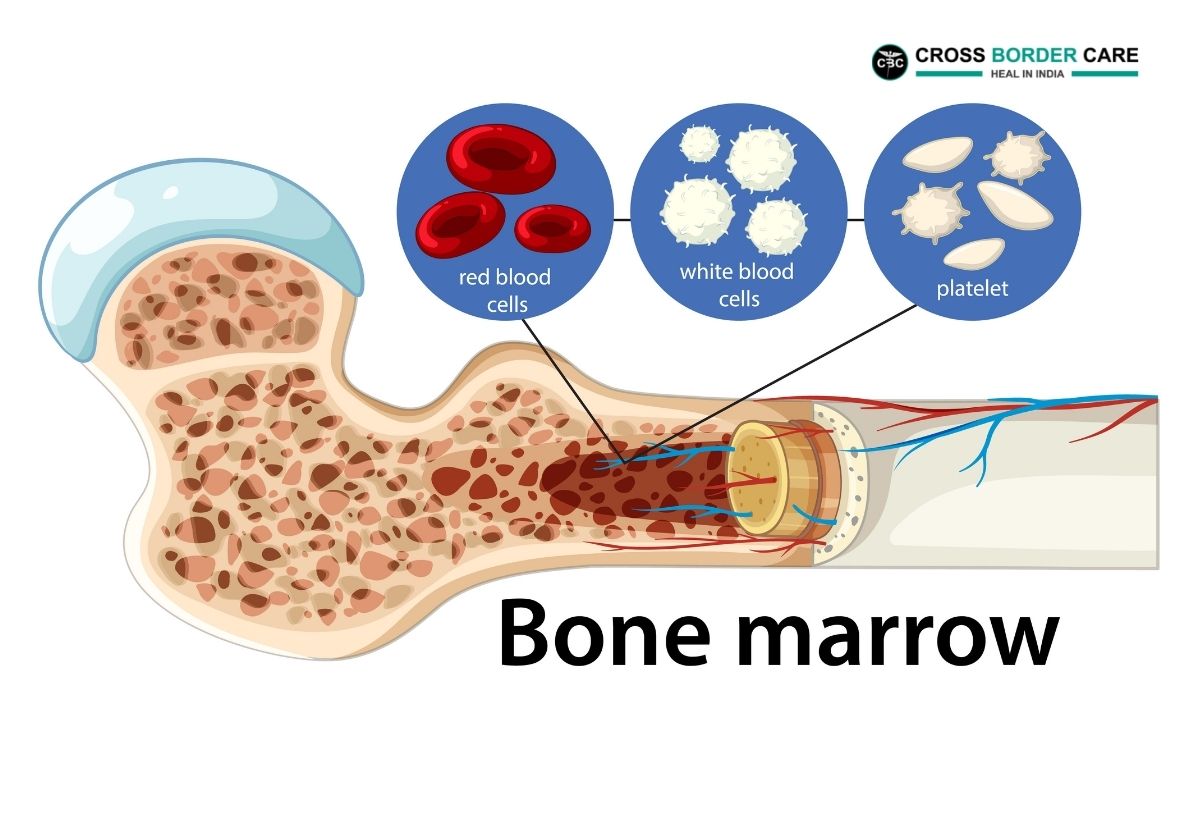
When a doctor says “bone marrow transplant,” most Tanzanian families face the same question within…

Tanzania has made genuine progress in transplant medicine over the last decade. Benjamin Mkapa Hospital…


Our company firmly believes in maintaining transparency in transactions and our clients will bear testimony to the same. Our forte is honesty and commitment.
©Copyrights 2019 All Rights Reserved By Cross Border Care